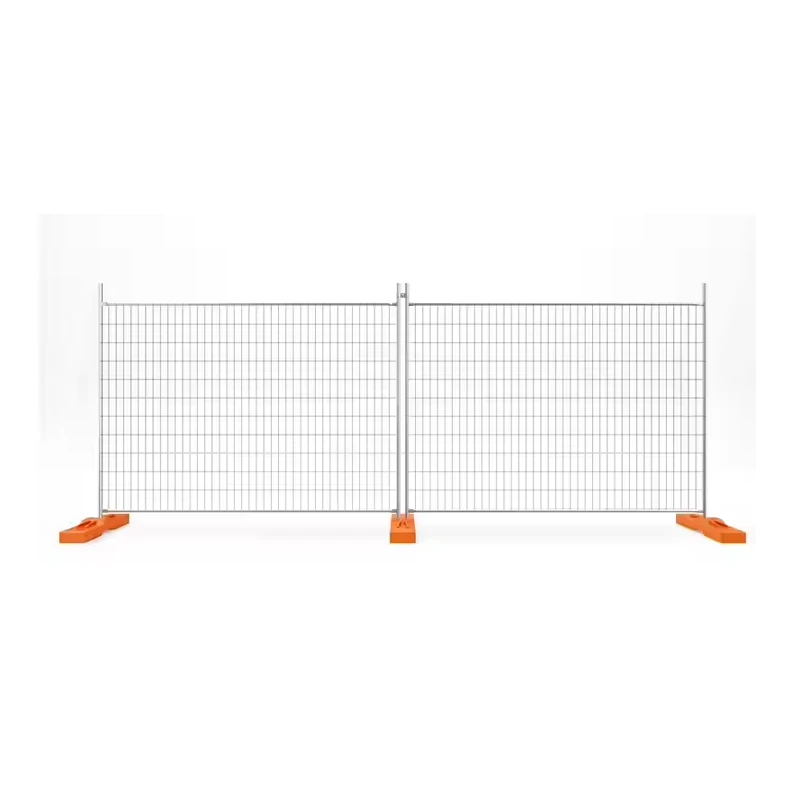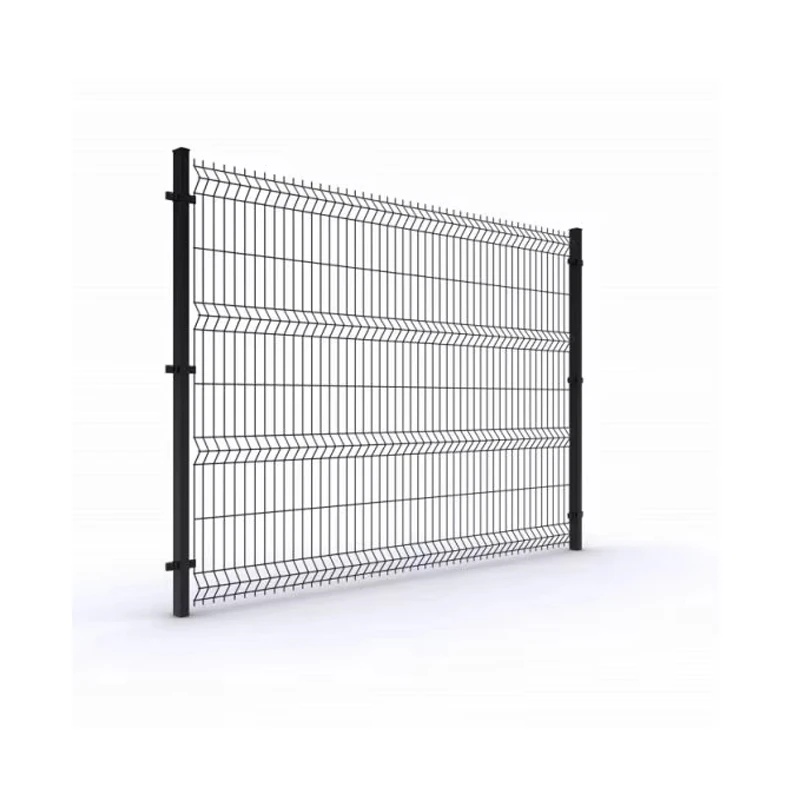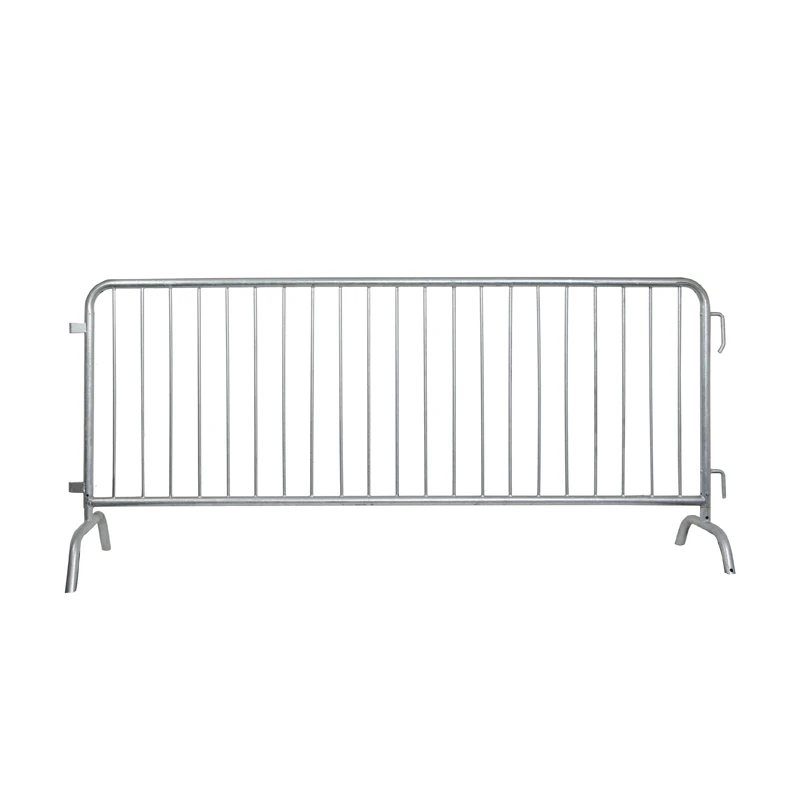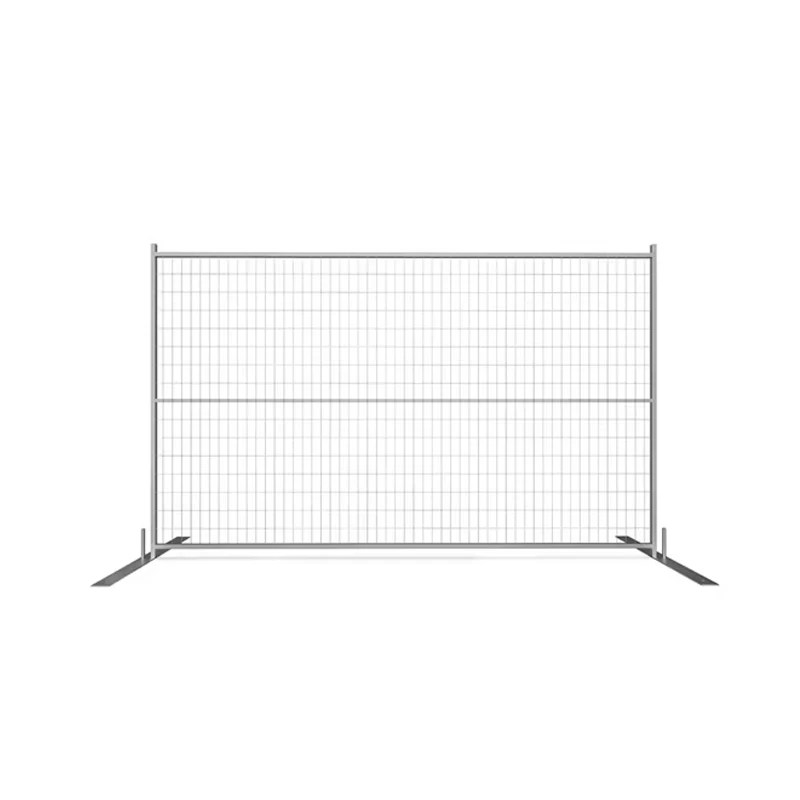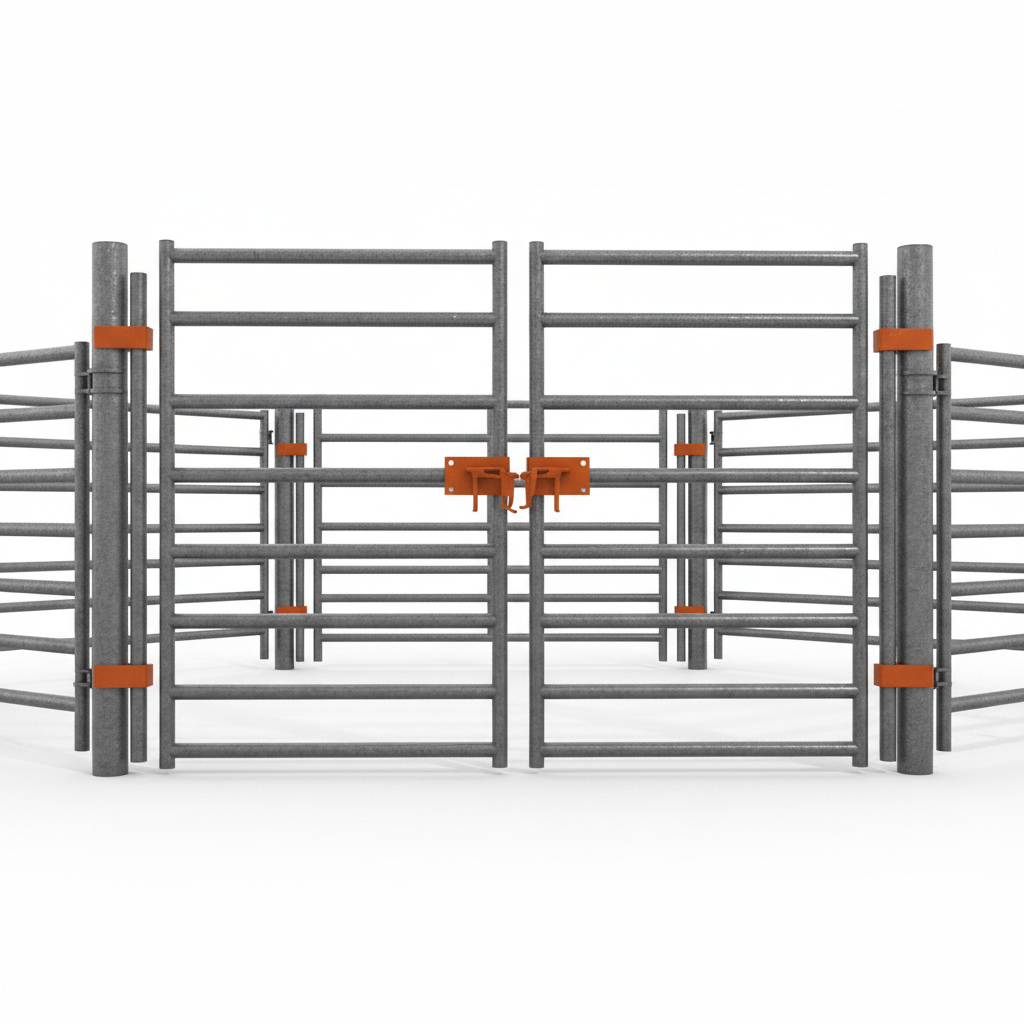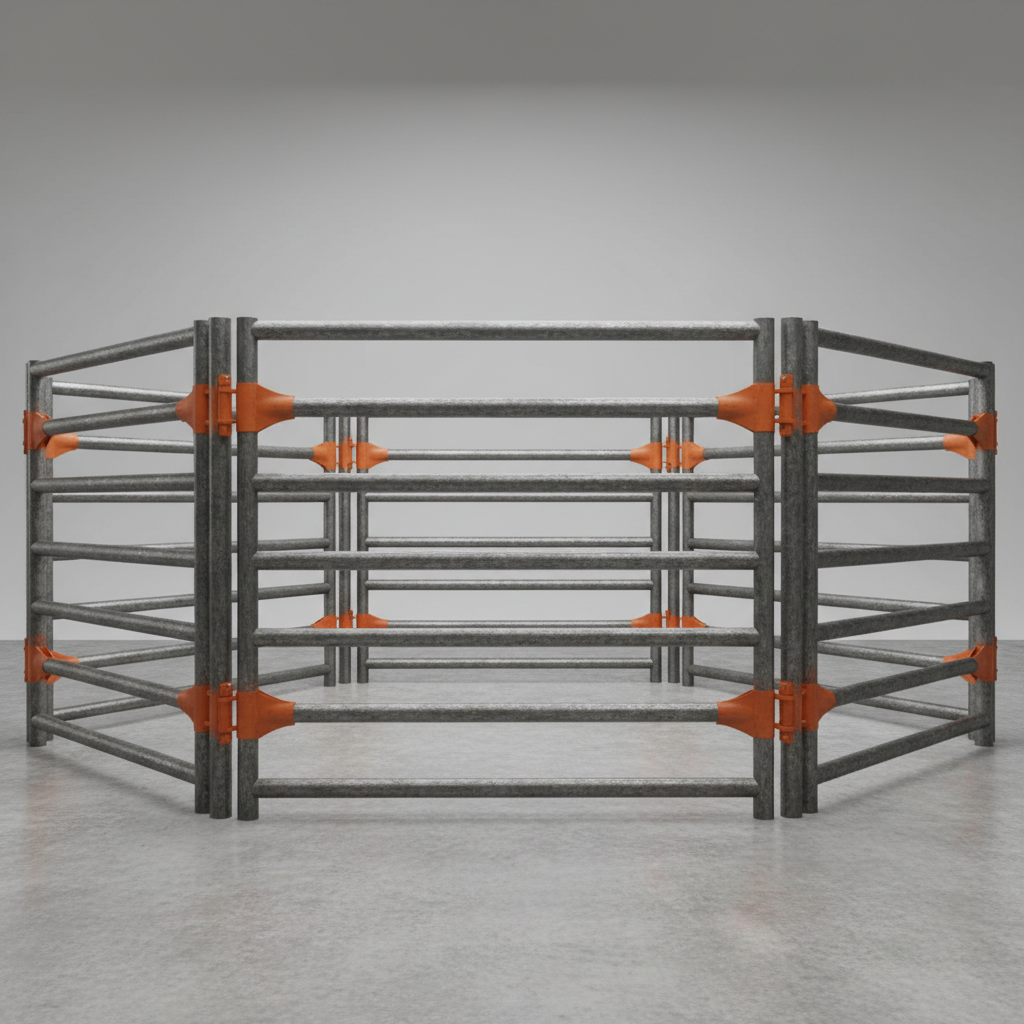
Comprehensive Guide to Durable and Reliable Galvanized Cattle Fencing
Galvanized Cattle Fencing: A Comprehensive Guide
Protecting your livestock is paramount for any farm or ranch. Galvanized cattle fencing provides a durable, cost-effective, and reliable solution for containing your animals. This article will delve into the benefits, types, installation, and maintenance of galvanized cattle fencing, helping you make informed decisions for your property. Investing in the right fencing can save you time, money, and stress, ensuring the safety and well-being of your livestock.
Understanding the Benefits of Galvanized Cattle Fencing
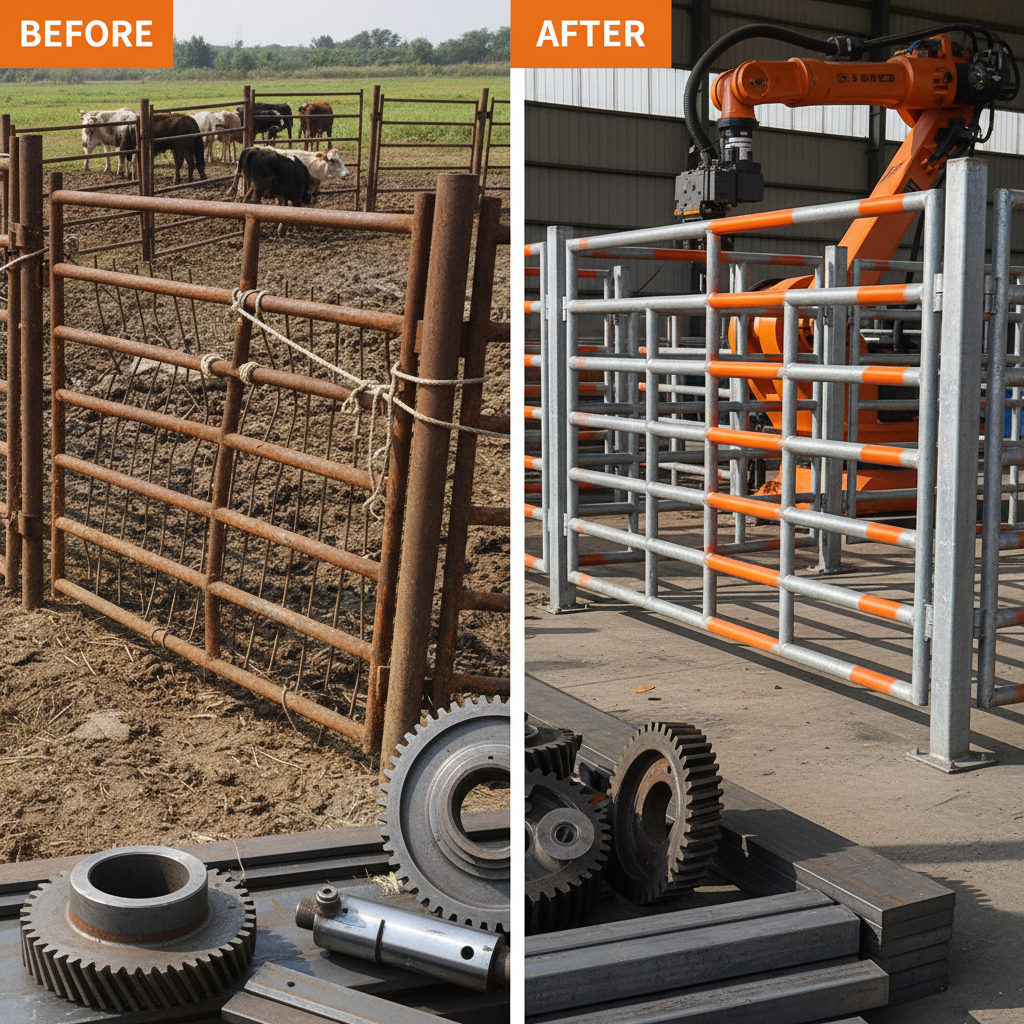
Galvanization is the process of applying a protective zinc coating to steel or iron. This coating prevents rust and corrosion, significantly extending the lifespan of the fence. Compared to non-galvanized fencing, galvanized options offer superior durability, reducing the need for frequent repairs and replacements. This longevity translates to long-term cost savings. Furthermore, galvanized steel is strong and resilient, able to withstand the force of large animals. SYS Wire Mesh offers high-quality galvanized cattle fencing solutions designed to withstand harsh environmental conditions.
Key Highlights: Galvanization prevents rust and corrosion, significantly extending the lifespan of the fence. It offers superior durability and strength, able to withstand the force of large animals.
Types of Galvanized Cattle Fencing
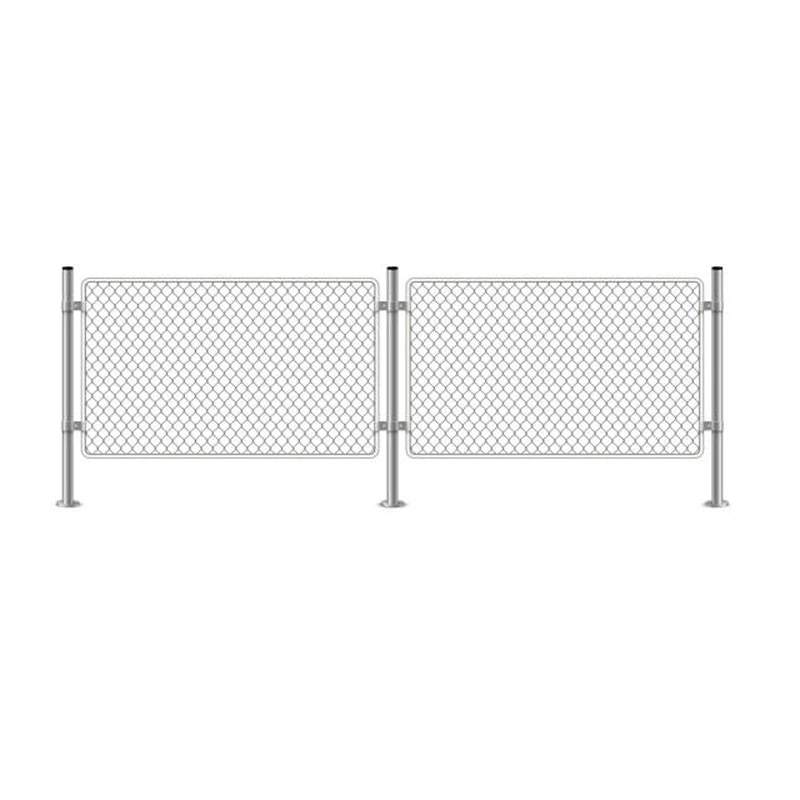
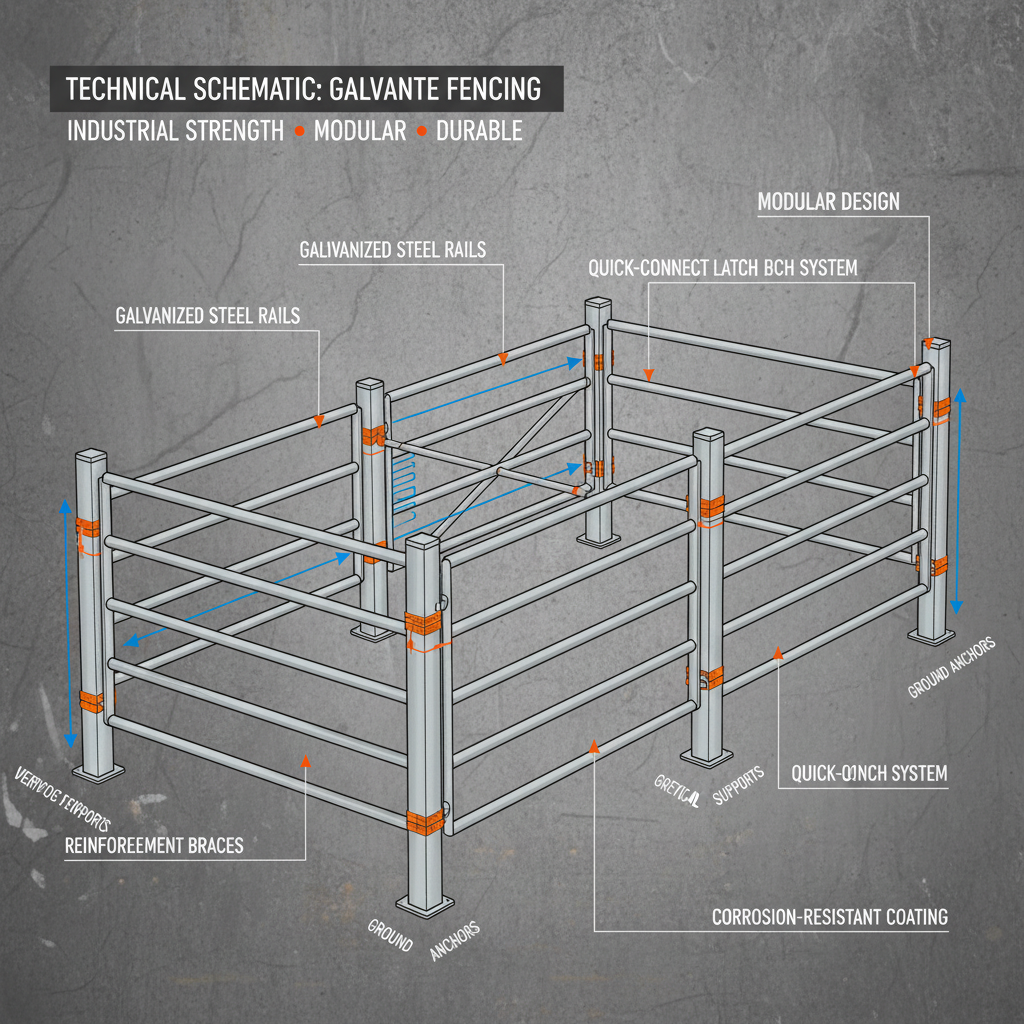
Several types of galvanized cattle fencing are available, each suited for different needs and budgets. Woven wire fencing is a popular choice, providing a strong and secure barrier. Barbed wire fencing is another common option, though it requires careful installation and management to prevent injury to livestock. Electric fencing, often used in conjunction with other types, adds an extra layer of security. High-tensile wire fencing offers exceptional strength and durability, ideal for large pastures and challenging terrain. Choosing the right type depends on the size and temperament of your cattle, the terrain, and your budget.
Fencing Type Benefits:
• Woven wire: Secure barrier, suitable for various livestock
• Barbed wire: Cost-effective, strong deterrent
• Electric fencing: Adds security, controls livestock movement
• High-tensile wire: Exceptional strength and durability
Galvanized Cattle Fencing: Comparing Wire Gauges and Heights
Selecting the correct wire gauge and height is crucial for effective cattle containment. Heavier gauge wire offers greater strength and is more resistant to breaking. Higher fencing heights prevent cattle from jumping or pushing through. The specific requirements will depend on the breed and size of your cattle. Below is a comparison to help you choose the right options:
Installation Best Practices for Galvanized Cattle Fencing
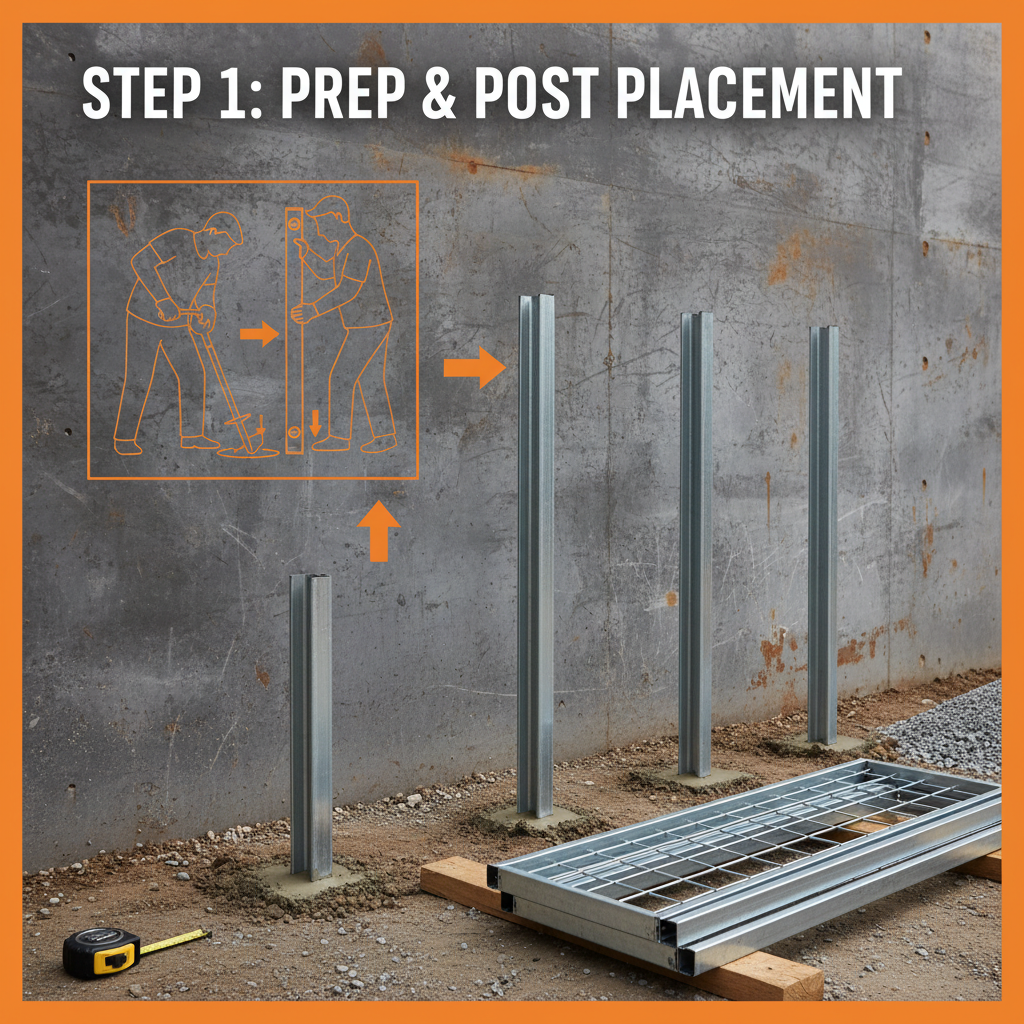
Proper installation is crucial for the effectiveness and longevity of your fence. Start by carefully planning the fence line, considering terrain and potential obstacles. Use sturdy posts, spaced appropriately for the type of fencing you choose. Ensure posts are securely set in the ground, using concrete if necessary. Tension the wire correctly to prevent sagging and maintain a secure barrier. Regularly inspect the fence for any damage or weaknesses and address them promptly. SYS Wire Mesh provides resources and support to help ensure successful fence installation.
Maintenance Tips to Extend Fence Lifespan
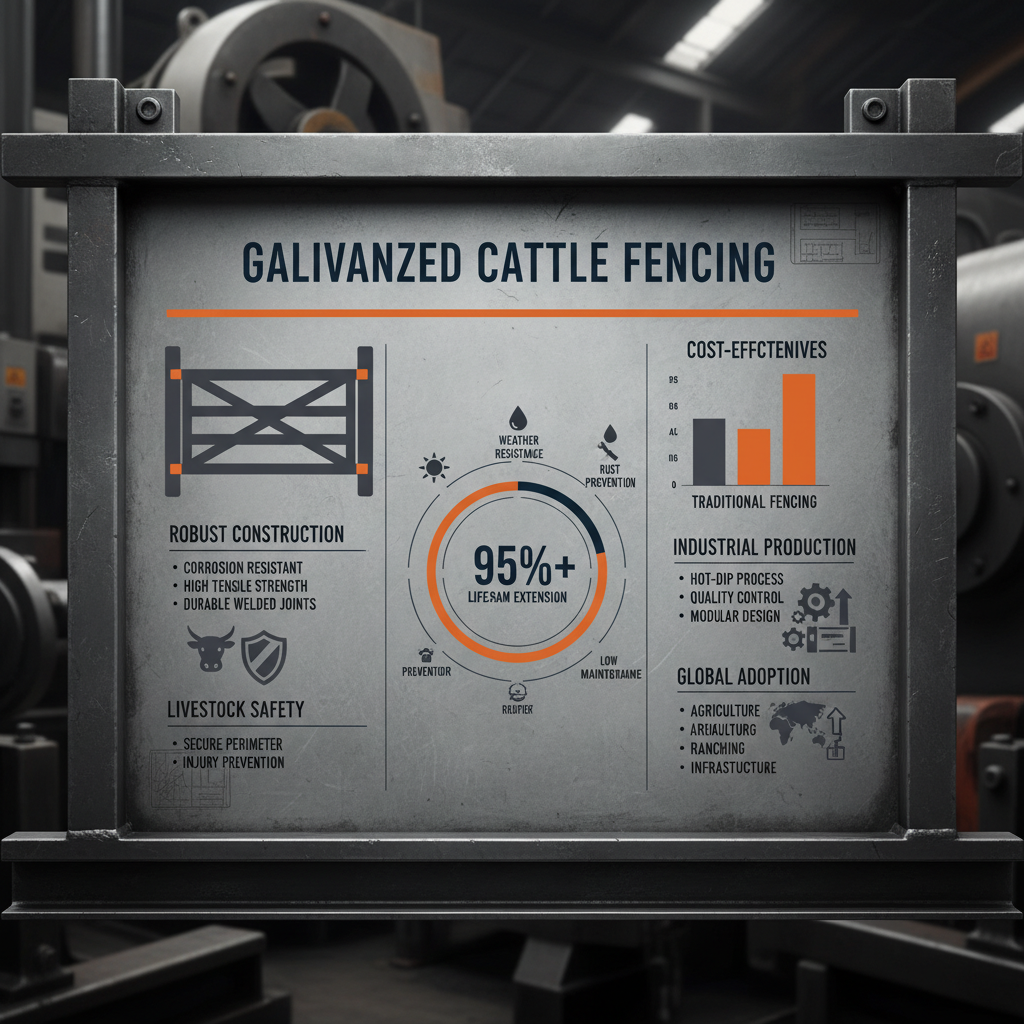
Regular maintenance is key to maximizing the lifespan of your galvanized cattle fencing. Inspect the fence periodically for broken wires, loose posts, and corrosion. Repair any damage promptly to prevent further deterioration. Clear vegetation that grows around the fence line, as it can promote corrosion and weaken the structure. Re-tension the wire as needed to maintain a secure barrier. By following these simple maintenance tips, you can ensure your fence remains effective for years to come.
Conclusion: Invest in Quality and Reliability
Investing in galvanized cattle fencing from a reputable supplier like SYS Wire Mesh is a smart investment for any livestock owner. The durability, longevity, and reliability of galvanized steel provide peace of mind and protect your valuable animals. By choosing the right type of fencing, following proper installation practices, and implementing a regular maintenance routine, you can ensure a secure and long-lasting barrier for your farm or ranch.
Frequently Asked Questions (FAQs)
What is the typical lifespan of galvanized cattle fencing?
The lifespan of galvanized cattle fencing varies depending on factors like the thickness of the galvanization, the climate, and the level of maintenance. However, a well-maintained galvanized fence can typically last 20-30 years, significantly longer than non-galvanized options. Regular inspections and prompt repairs are crucial to maximizing its lifespan. Soil composition and exposure to saltwater can also affect the rate of corrosion, so choosing a thicker galvanization coating is recommended in these environments.
How often should I inspect my galvanized cattle fence?
It is recommended to inspect your galvanized cattle fence at least twice a year, ideally in the spring and fall. During these inspections, check for broken wires, loose posts, corrosion, and any signs of damage caused by animals or weather. Promptly address any issues to prevent them from escalating and compromising the integrity of the fence. Regular inspections can significantly extend the lifespan of your fence and ensure the safety of your livestock.
Can I paint galvanized fencing to further protect it from corrosion?
While galvanization provides excellent corrosion protection, painting can offer an additional layer of defense, particularly in harsh environments. However, it's crucial to use a paint specifically designed for galvanized metal. Ordinary paint won't adhere properly. Proper surface preparation, including cleaning and etching, is essential for good adhesion. Be aware that painting may void any warranty offered by the fencing manufacturer.
What are the benefits of using electric fencing with galvanized steel?
Combining electric fencing with galvanized steel provides a highly effective containment solution. The galvanized steel provides a physical barrier, while the electric current deters animals from challenging the fence. This is particularly useful for controlling livestock that are prone to testing fences or for containing animals in rotational grazing systems. It requires less physical fence material and is more cost effective for larger areas.