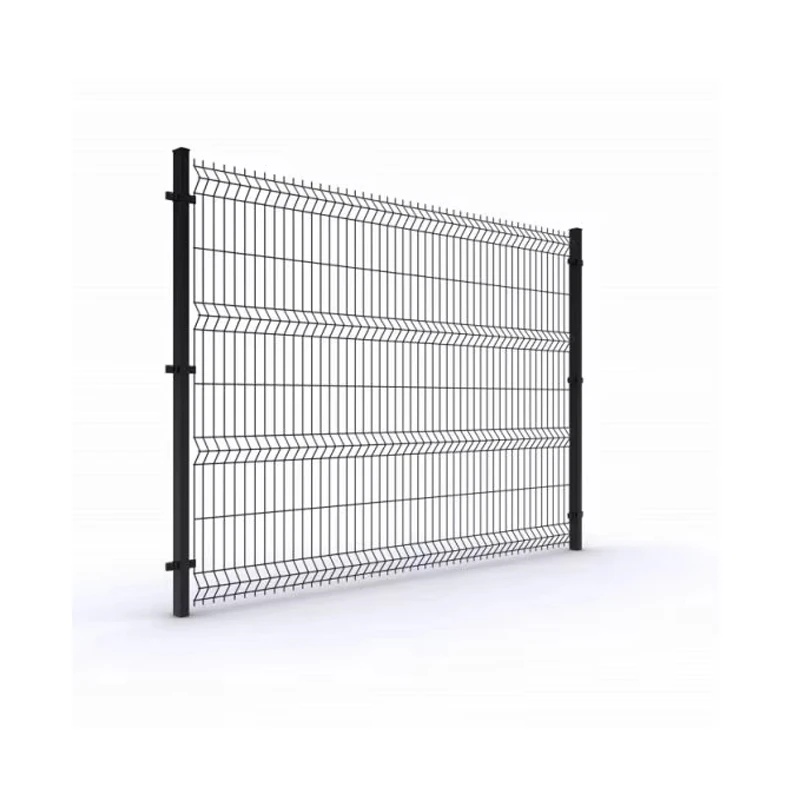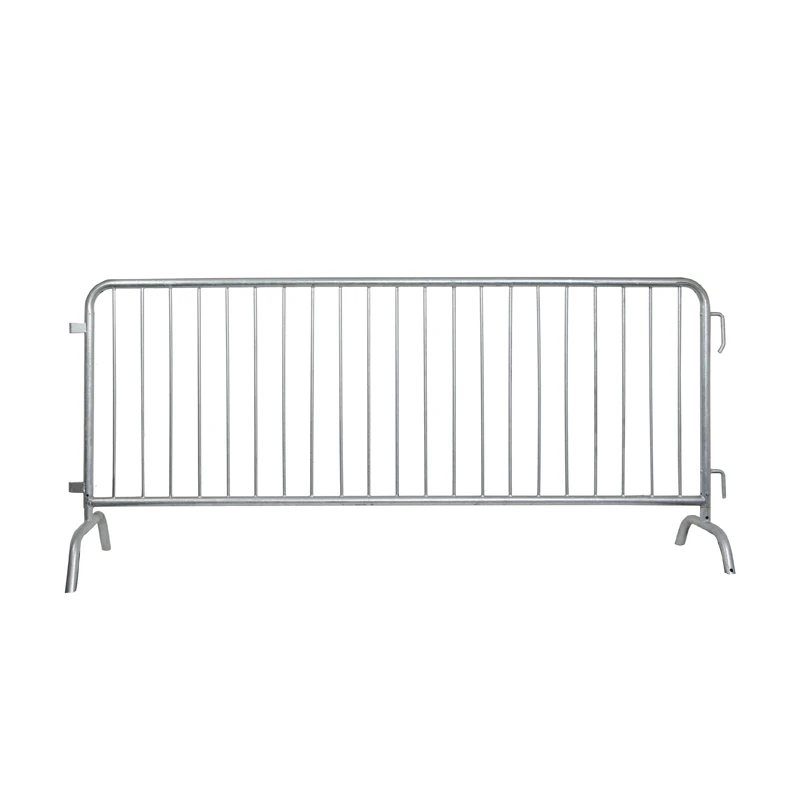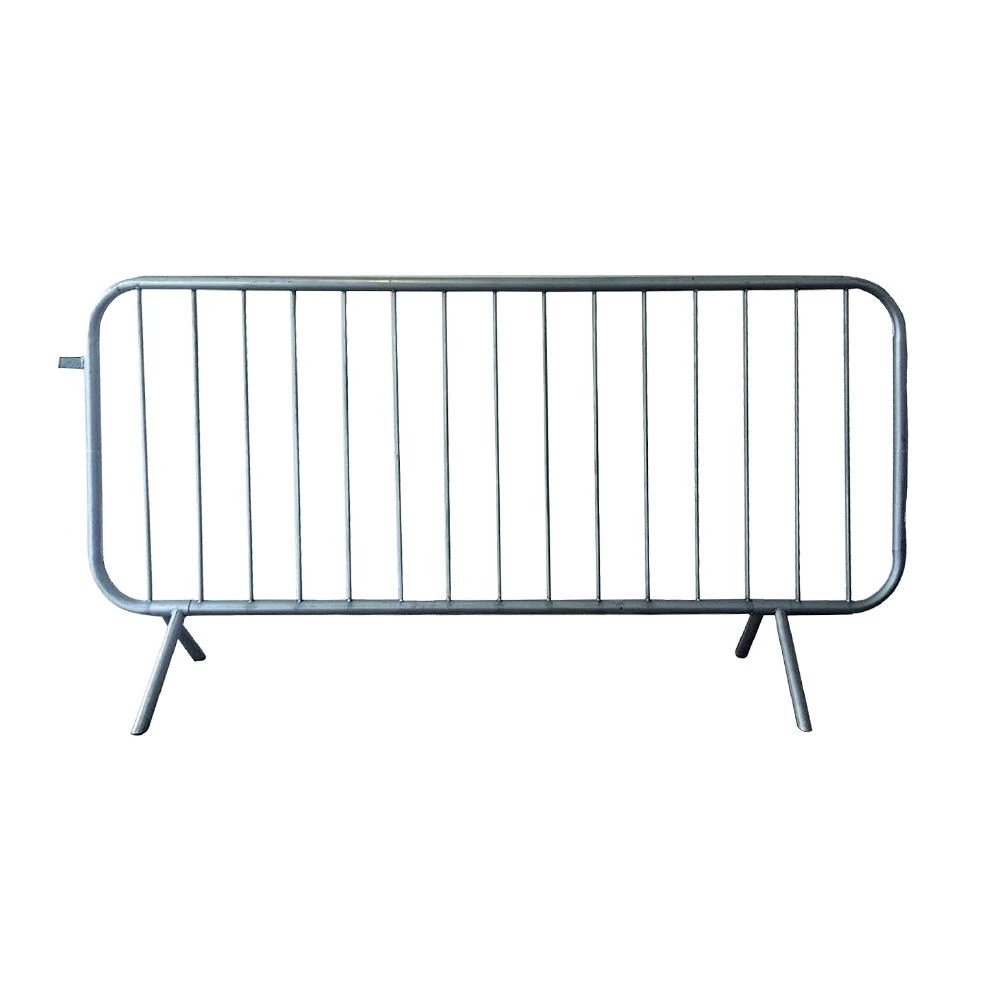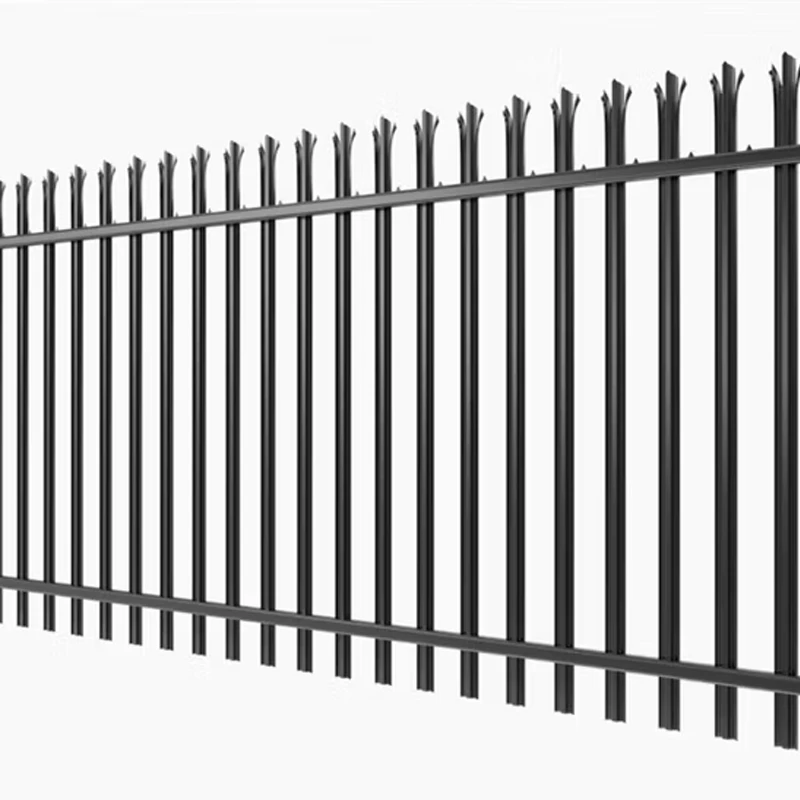
Comprehensive Guide to Durable Livestock Corral Panels and Their Applications
Livestock Corral Panels: A Comprehensive Guide
Maintaining livestock safely and efficiently requires robust and reliable infrastructure. Livestock corral panels are a crucial component of this infrastructure, offering a secure and versatile solution for managing animals. This article provides a detailed overview of livestock corral panels, covering their benefits, types, applications, and key considerations for selecting the right panels for your needs. Properly designed and installed corral systems are essential for animal welfare and operational efficiency.
What are Livestock Corral Panels?
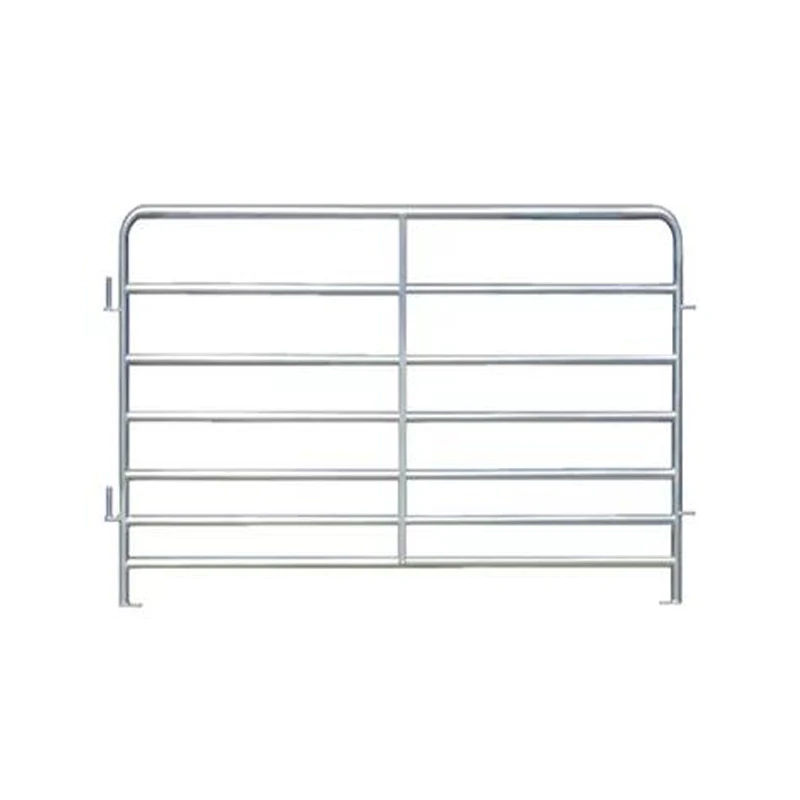
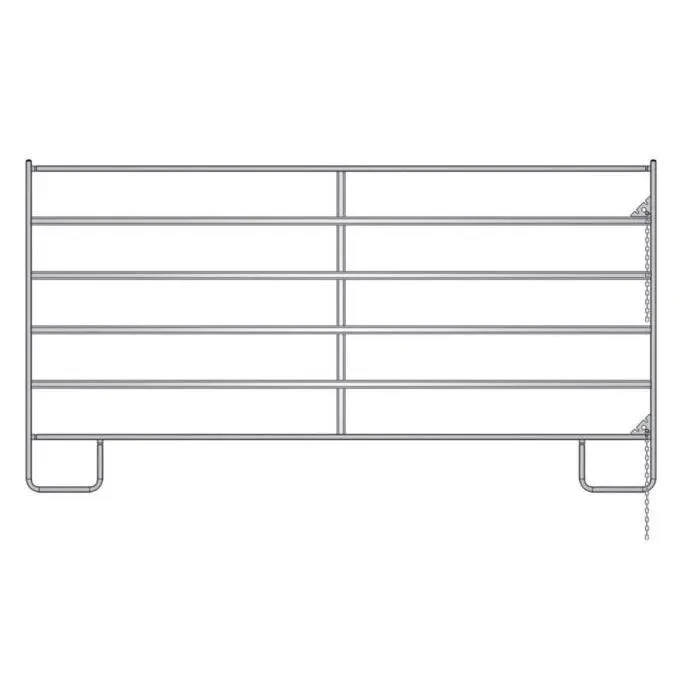
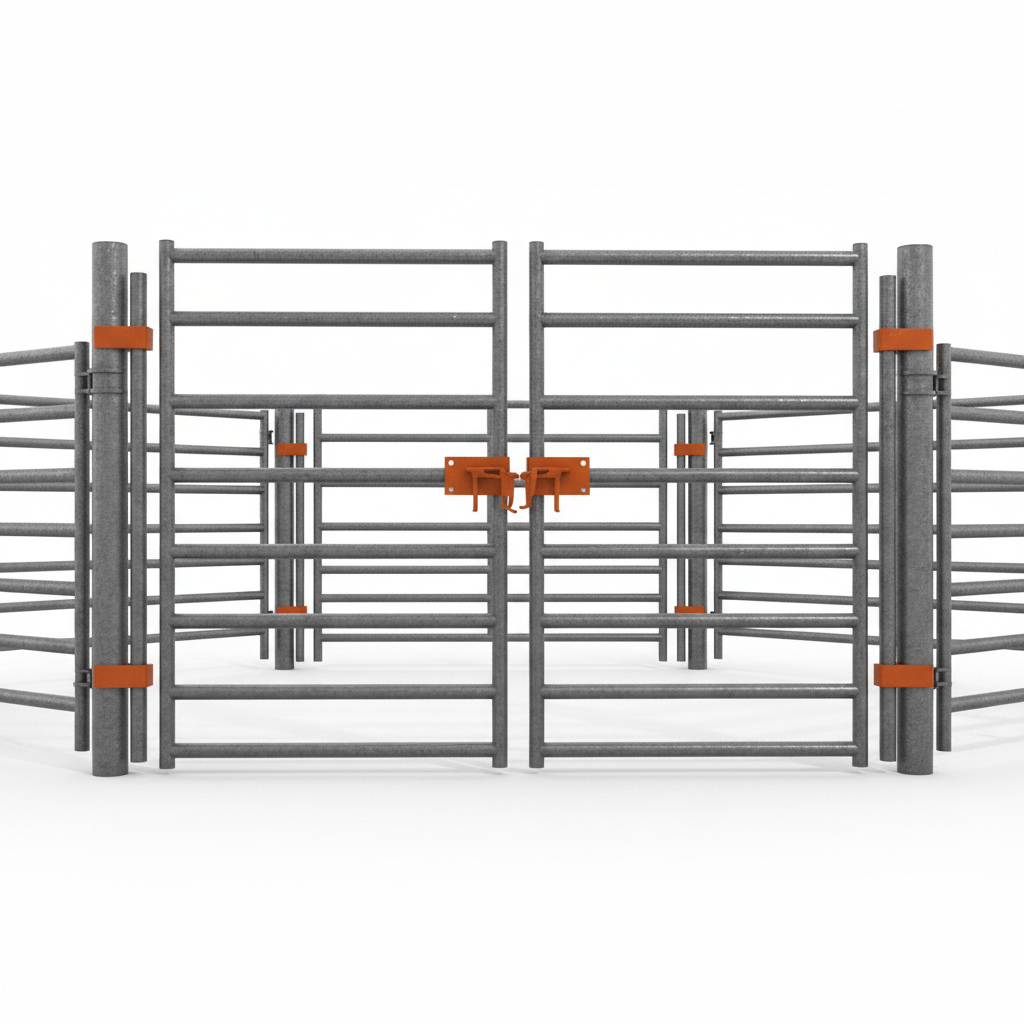
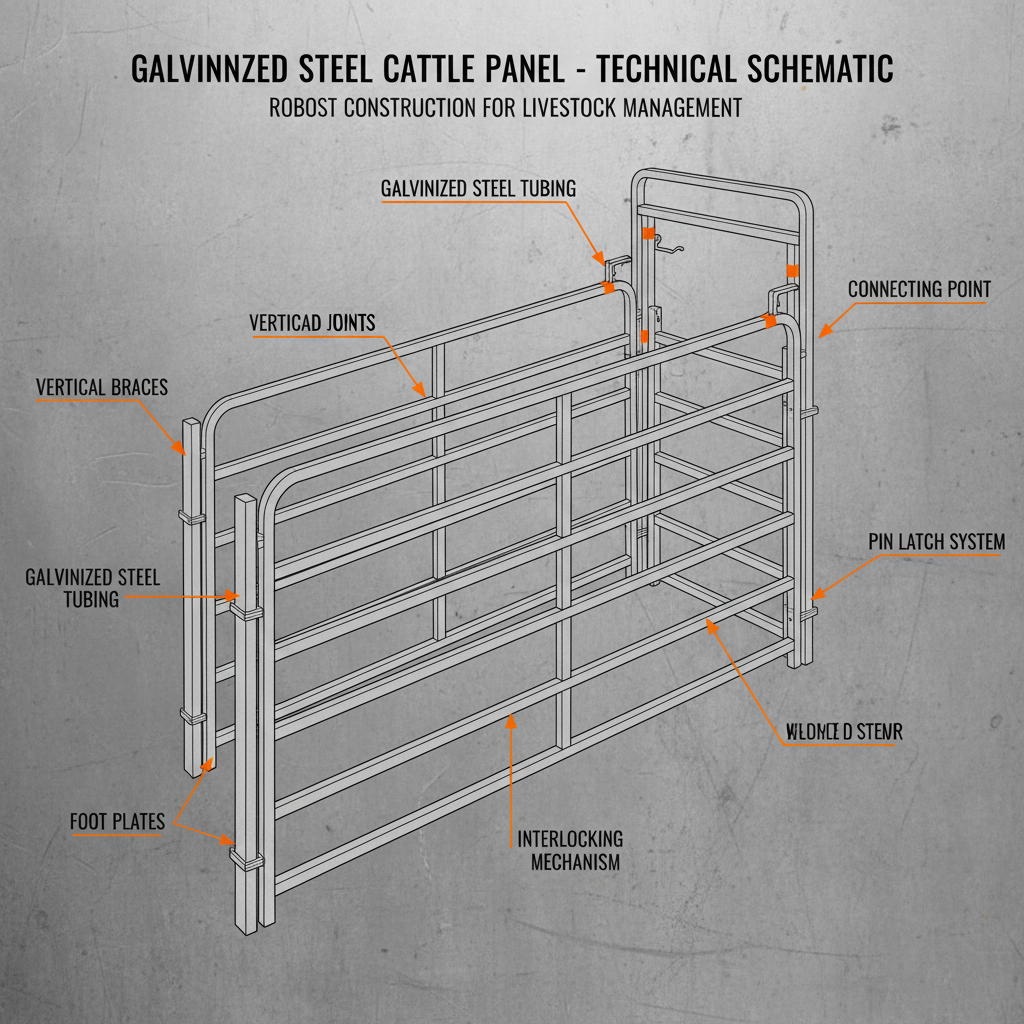
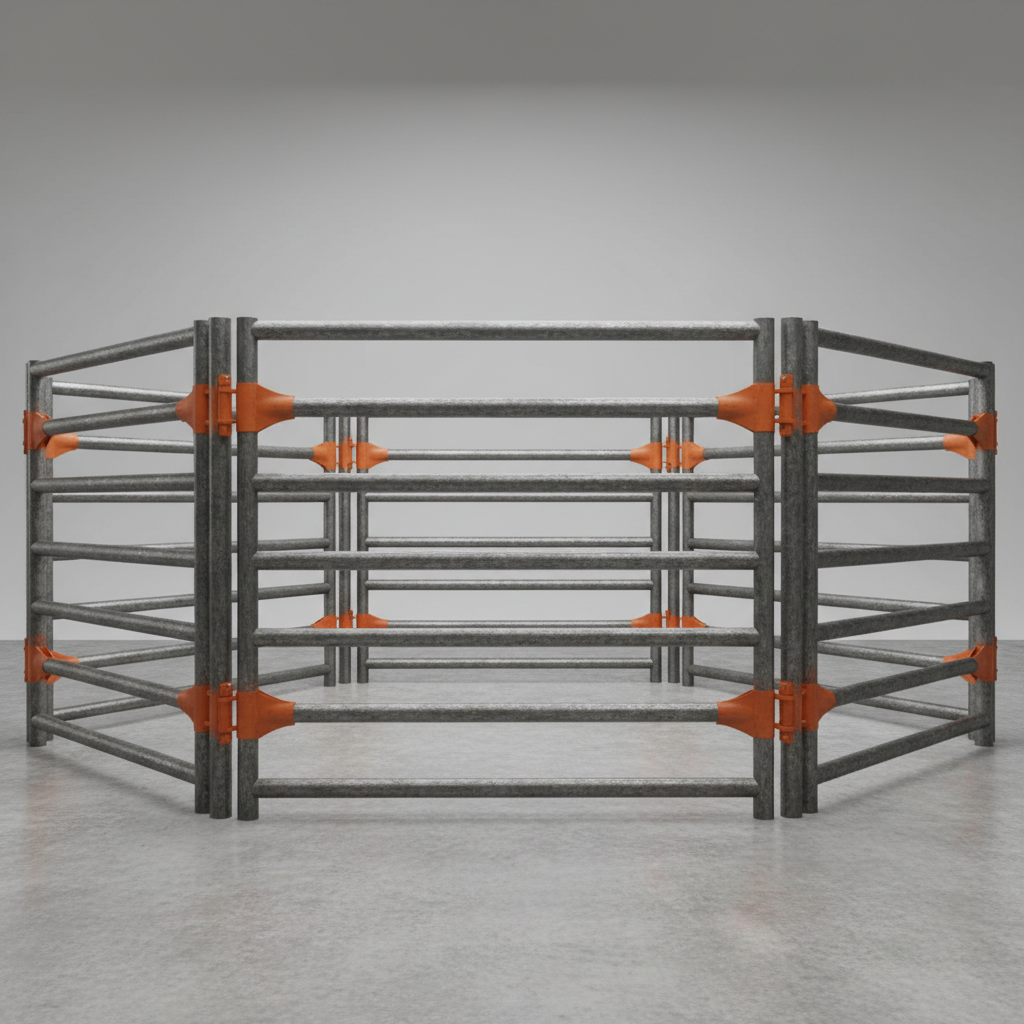
Livestock corral panels are prefabricated sections of fencing specifically designed for containing livestock. These panels are typically constructed from steel pipe or tubing welded together to create a strong and durable barrier. They are commonly used to create holding pens, alleyways, sorting facilities, and temporary enclosures. Unlike traditional fencing materials like wood or barbed wire, corral panels offer several advantages, including increased strength, longevity, and ease of installation. They are a practical solution for farmers, ranchers, and livestock owners seeking a secure and efficient animal management system.
Key Highlights: Prefabricated for quick installation, strong and durable steel construction, versatile for various livestock management applications.
Types of Livestock Corral Panels
Several types of livestock corral panels are available, each suited for different needs and livestock types. Common types include:
- Steel Pipe Panels: These are the most common type, constructed from welded steel pipe, offering excellent strength and durability.
- Oval Rail Panels: Feature oval-shaped rails for increased safety, minimizing injury to animals.
- Solid Panels: Offer complete visibility blockage, suitable for controlling animal movement and reducing stress.
- Panels with Gates: Combine corral panels with integrated gates for easy access and maneuverability.
The selection of the appropriate panel type depends on the species of livestock, the size of the operation, and the specific requirements of the corral system.
Panel Type Benefits:
• Steel Pipe Panels: High strength and cost-effectiveness.
• Oval Rail Panels: Enhanced animal safety.
• Solid Panels: Improved animal control.
• Panels with Gates: Increased accessibility.
Livestock Corral Panels vs. Traditional Fencing
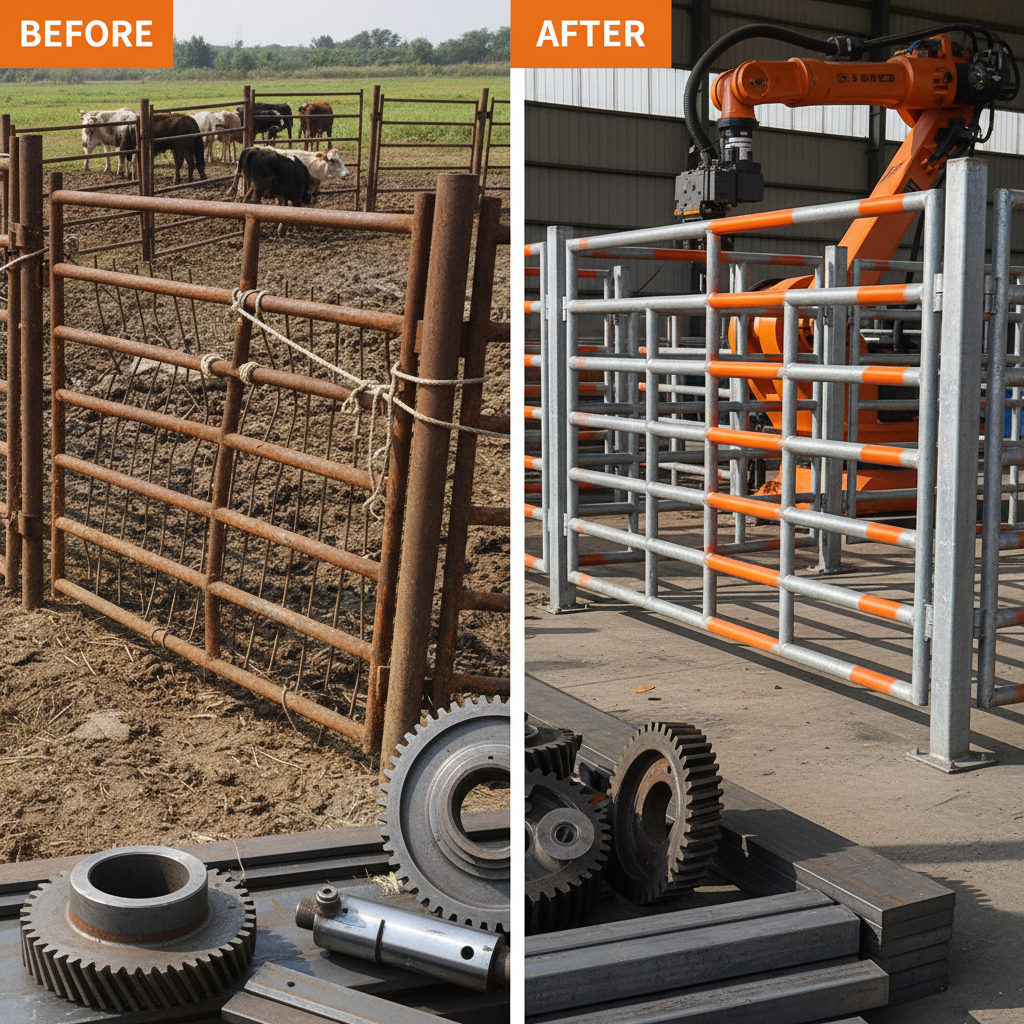
Compared to traditional fencing options like wood or barbed wire, livestock corral panels offer significant advantages in terms of durability, safety, and maintenance. Wood fencing requires regular repair and replacement due to rot and weathering, while barbed wire can pose a risk of injury to animals. Corral panels, constructed from steel, are far more resilient and require minimal upkeep. They also provide a safer environment for both livestock and handlers.
Applications of Livestock Corral Panels
Livestock corral panels are incredibly versatile and can be used in a wide variety of applications, including:
- Holding Pens: Temporary or permanent enclosures for holding livestock before processing or transport.
- Sorting Facilities: Systems for separating animals based on size, weight, or other criteria.
- Alleyways: Guiding livestock through processing areas.
- Loading Ramps: Facilitating safe and efficient loading of animals into trucks or trailers.
- Exercise Pens: Providing a safe and enclosed space for animals to exercise.
Their adaptability makes them a valuable asset for any livestock operation.
Choosing the Right Livestock Corral Panels
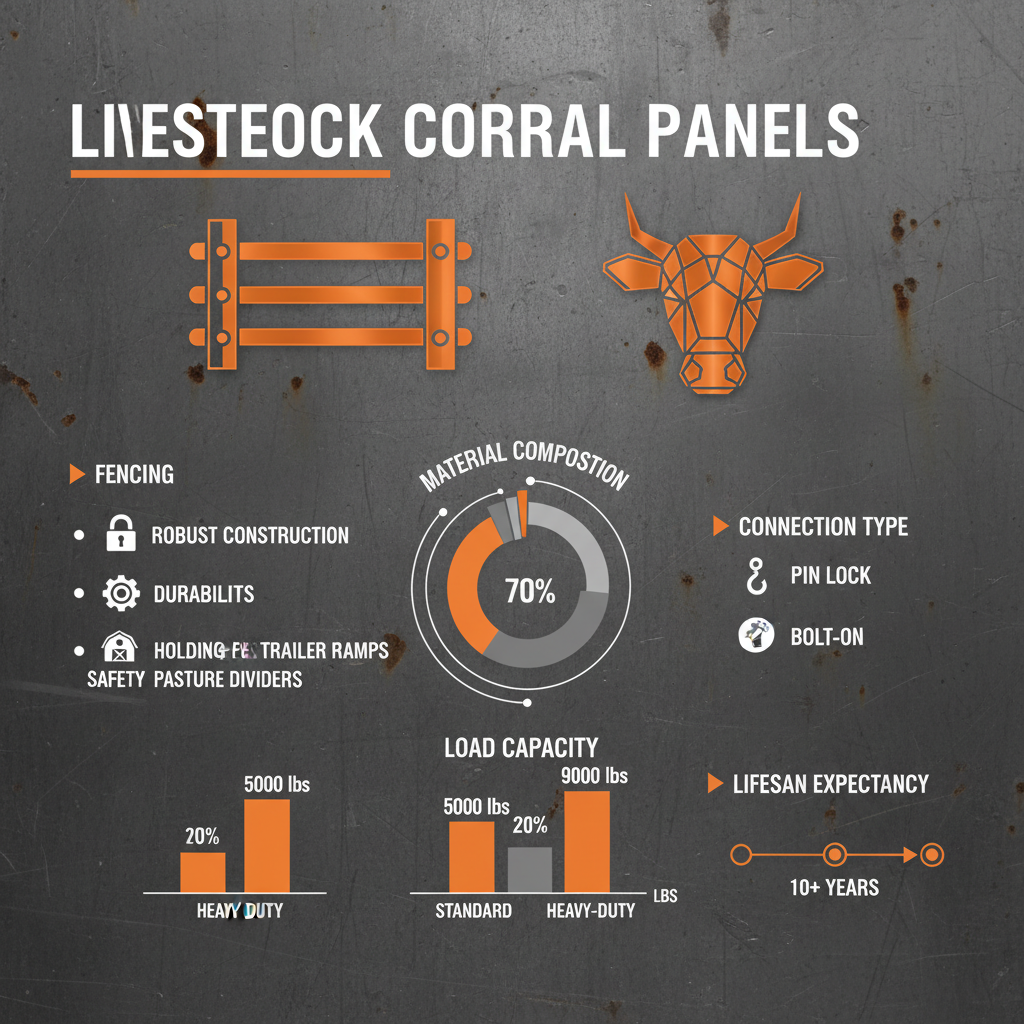
Selecting the appropriate livestock corral panels involves considering several factors. These include the type of livestock being contained, the size and layout of the corral, the climate, and budget constraints. SYSW Wiremesh offers a wide range of high-quality corral panels to suit diverse needs. It's crucial to choose panels with appropriate height and strength for the animals being contained, as well as ensuring they meet relevant safety standards.
Conclusion: Investing in Reliable Corral Systems
Investing in high-quality livestock corral panels is an investment in the safety, efficiency, and overall well-being of your livestock operation. By choosing the right panels and properly installing them, you can create a secure and manageable environment for your animals. Contact SYSW Wiremesh today to explore our range of corral panel options and find the perfect solution for your needs.
Frequently Asked Questions (FAQs)
What is the standard height of livestock corral panels?
Standard heights for livestock corral panels typically range from 5 to 8 feet. The ideal height depends on the type of livestock being contained. For cattle, 5-6 feet is generally sufficient, while taller panels (6-8 feet) are recommended for horses or other more agile animals. It's essential to consider the animal's ability to jump or climb when selecting panel height. Choosing the correct height contributes to preventing escapes and ensuring animal safety. Proper height also prevents animals from leaning over and potentially causing injury to themselves or handlers.
Are livestock corral panels easy to install?
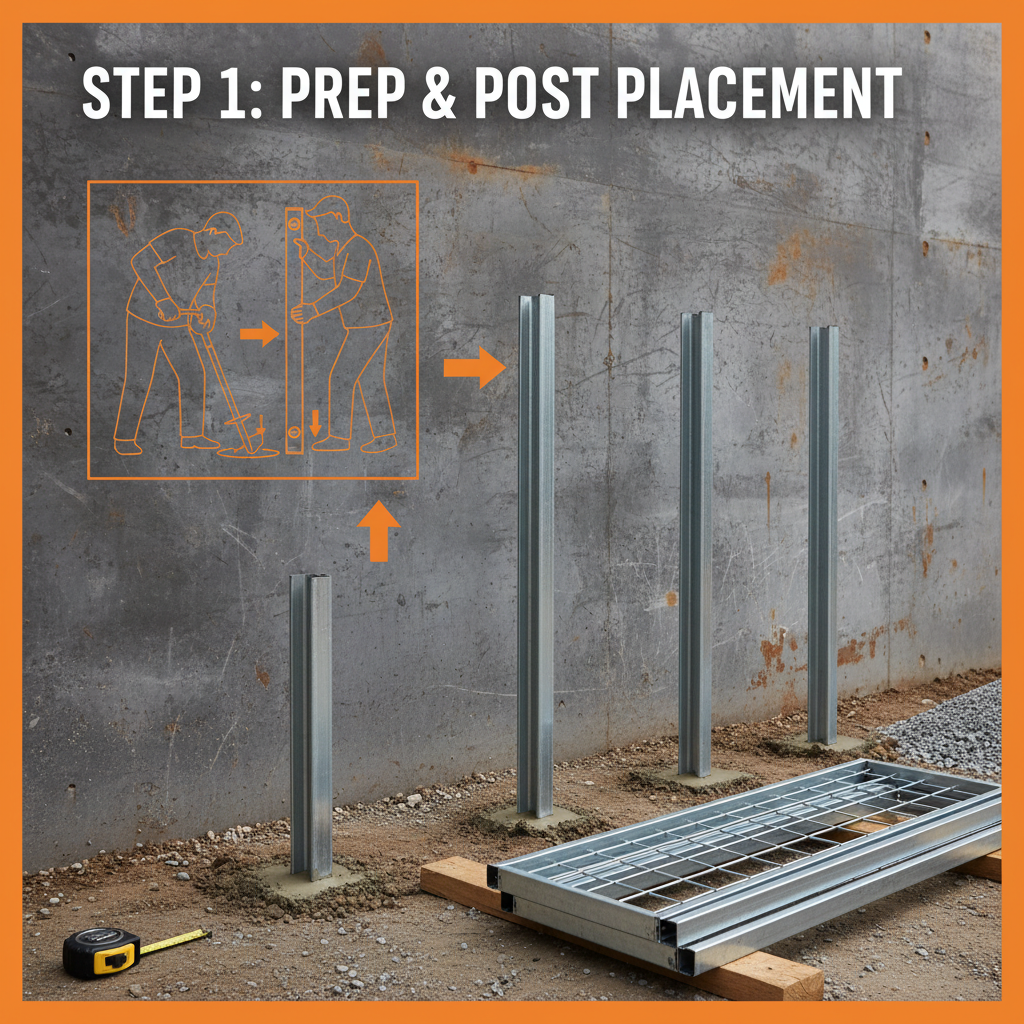
Yes, livestock corral panels are generally easy to install due to their prefabricated design. Most panels connect using simple mechanisms like pins, clips, or brackets, requiring minimal tools and labor. Installation typically involves setting posts at appropriate intervals and attaching the panels to the posts. However, proper post spacing and secure connections are crucial for the overall stability and safety of the corral system. Following the manufacturer's instructions and ensuring a level surface will contribute to a successful installation.
What is the typical lifespan of steel corral panels?
With proper maintenance, steel corral panels can have a very long lifespan, often exceeding 20 years. The durability of steel makes it resistant to weathering and wear and tear. However, to maximize their lifespan, it's important to periodically inspect the panels for signs of corrosion or damage. Applying a protective coating or galvanization can further enhance their resistance to rust. Regular maintenance, such as tightening connections and repairing any damage promptly, will ensure the panels remain in good condition for years to come.
Can livestock corral panels be customized?
Yes, many manufacturers, including SYSW Wiremesh, offer customization options for livestock corral panels. This can include variations in height, length, rail spacing, and gate placement. Customization allows you to tailor the panels to your specific needs and the unique layout of your livestock operation. Contacting a supplier directly to discuss your requirements is the best way to explore available customization options.