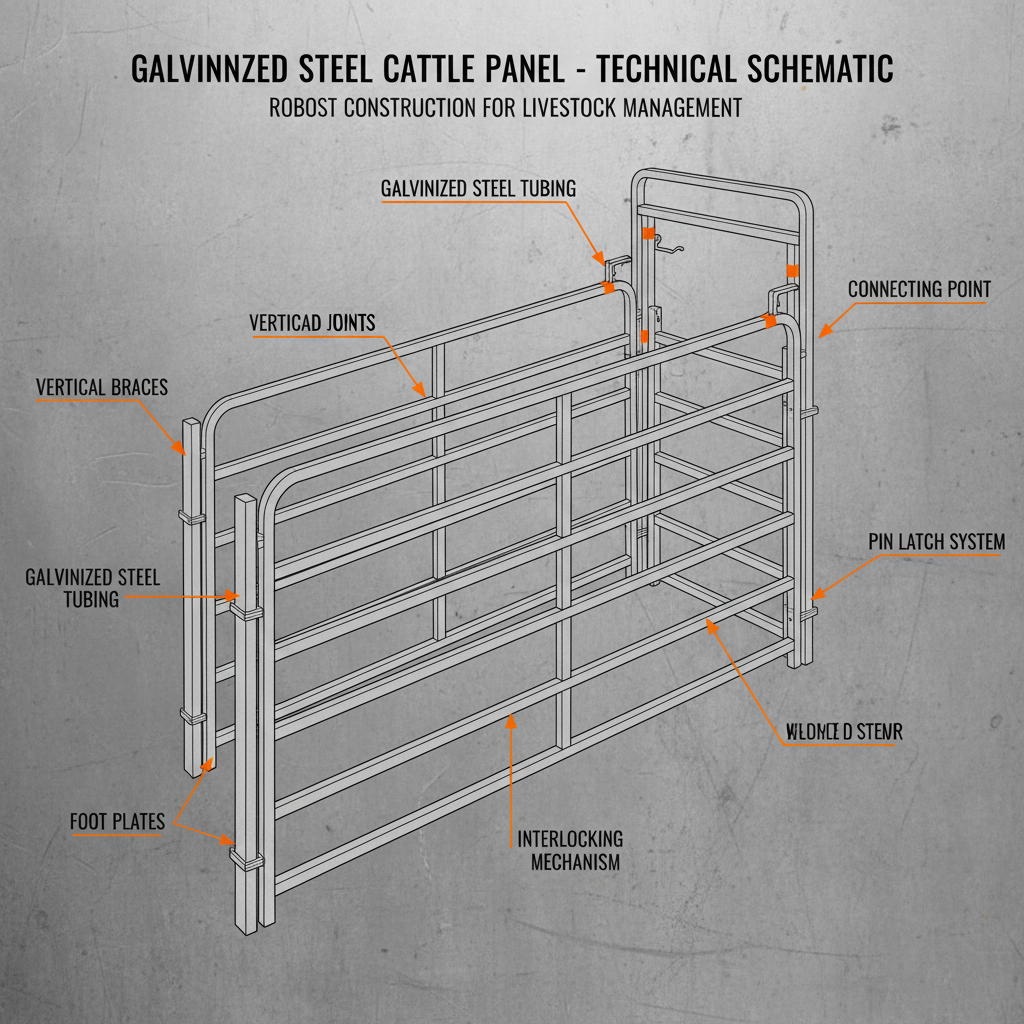
Premium livestock fence panels for Secure Animal Containment Guide
livestock fence panels: The Ultimate Guide to Secure Animal Containment
Securing your livestock is one of the most critical aspects of farm management. Whether you are managing cattle, sheep, or goats, the quality of your perimeter determines the safety of your animals and the efficiency of your operations. High-quality livestock fence panels provide a robust barrier that prevents escapes and keeps predators at bay. In this guide, we will explore the different types of fencing solutions, their material benefits, and how to choose the right specifications for your specific livestock needs to ensure long-term durability and peace of mind.
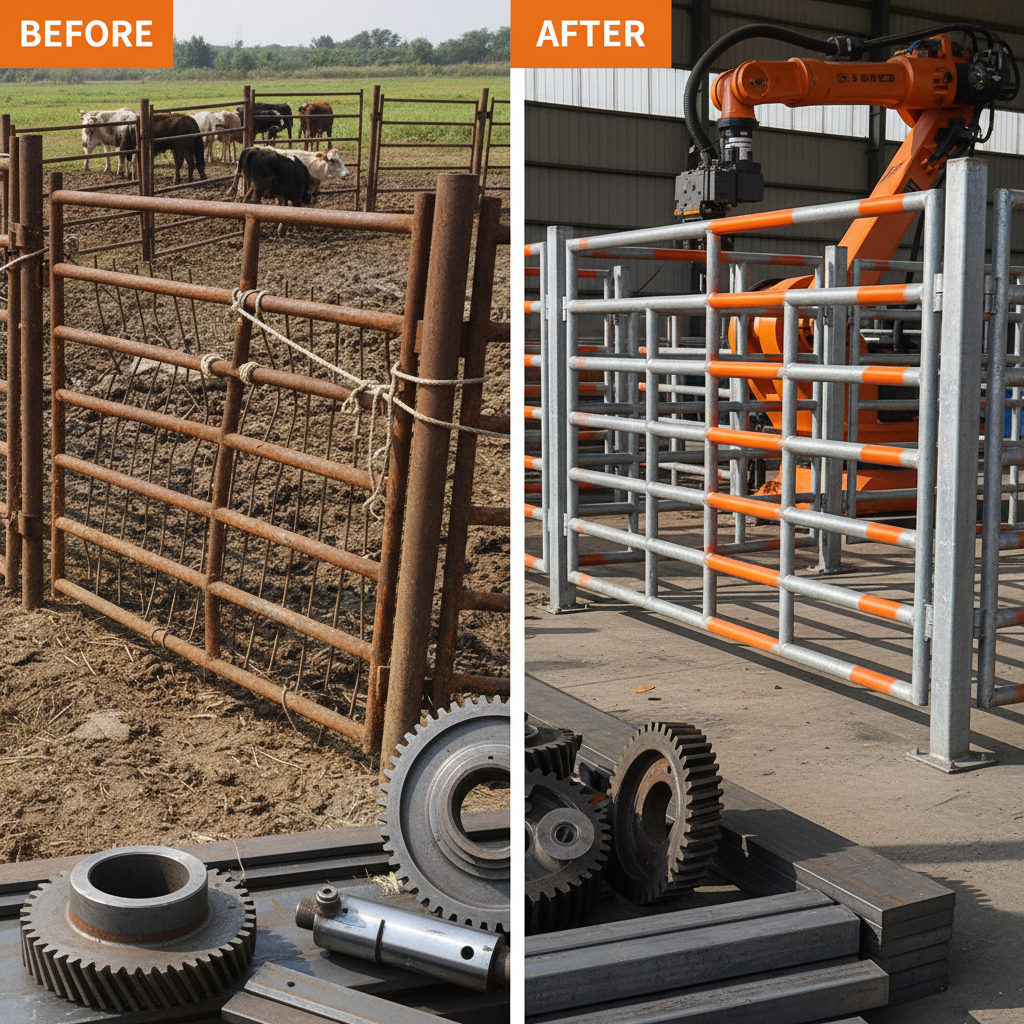
Why Invest in Premium livestock fence panels?
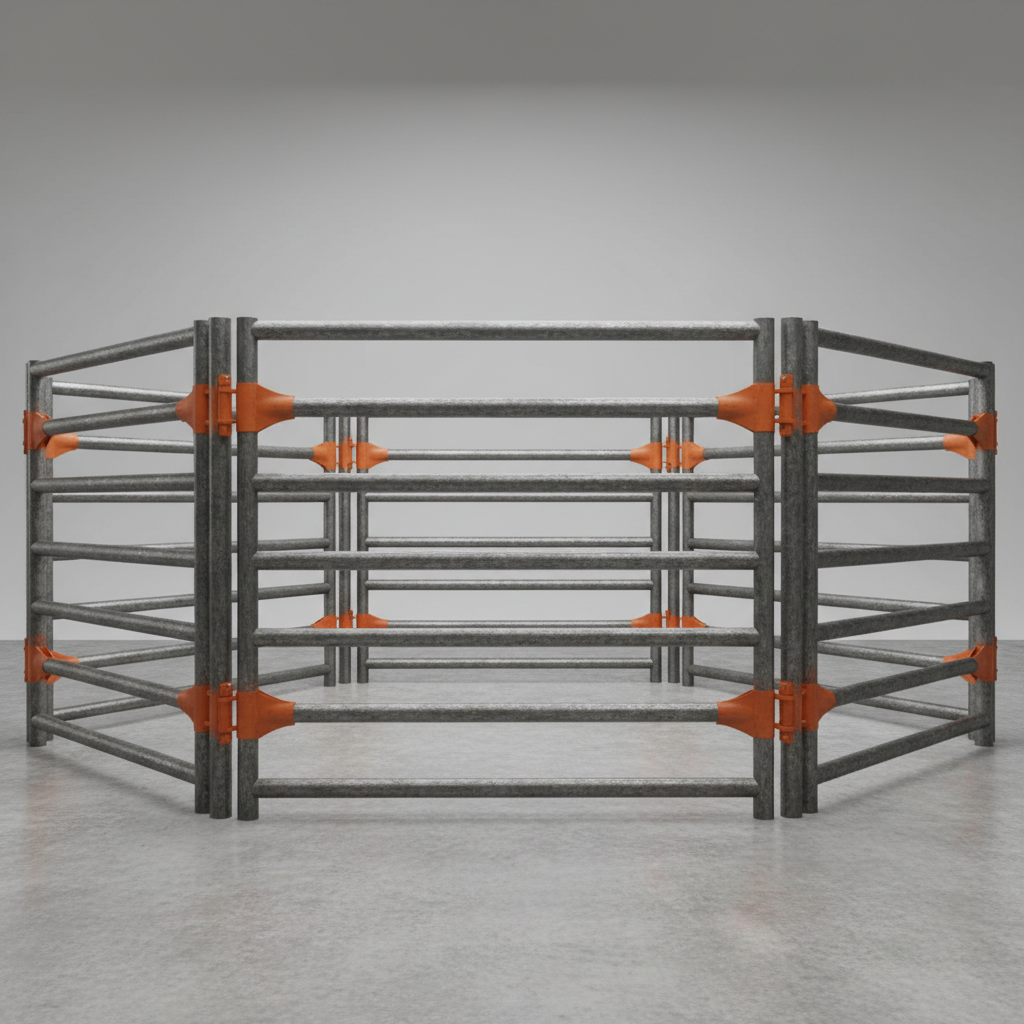
Not all fencing is created equal. Investing in professional-grade livestock fence panels means choosing materials that can withstand the physical pressure of leaning animals and the corrosive effects of outdoor weather. Galvanized steel and high-tensile wire are industry standards because they offer a superior strength-to-weight ratio. When you use reinforced panels, you reduce the frequency of repairs and minimize the risk of livestock injuries caused by broken wires or collapsing structures, making it a cost-effective choice for any modern agricultural business.
Industry Insight: High-tensile fence panels can reduce fence sag by up to 60% compared to standard low-carbon steel, significantly extending the interval between maintenance cycles.
Comparing Material Options for livestock fence panels
Choosing between different coating and material types is essential for maximizing the lifespan of your enclosure. For instance, hot-dipped galvanized panels are ideal for humid or coastal environments where rust is a primary concern. On the other hand, PVC-coated panels provide an extra layer of visibility and protection against abrasion. The choice depends on your budget and the environmental stressors your farm faces. Using the right livestock fence panels ensures that your investment lasts for decades rather than years.
Optimal Installation of livestock fence panels
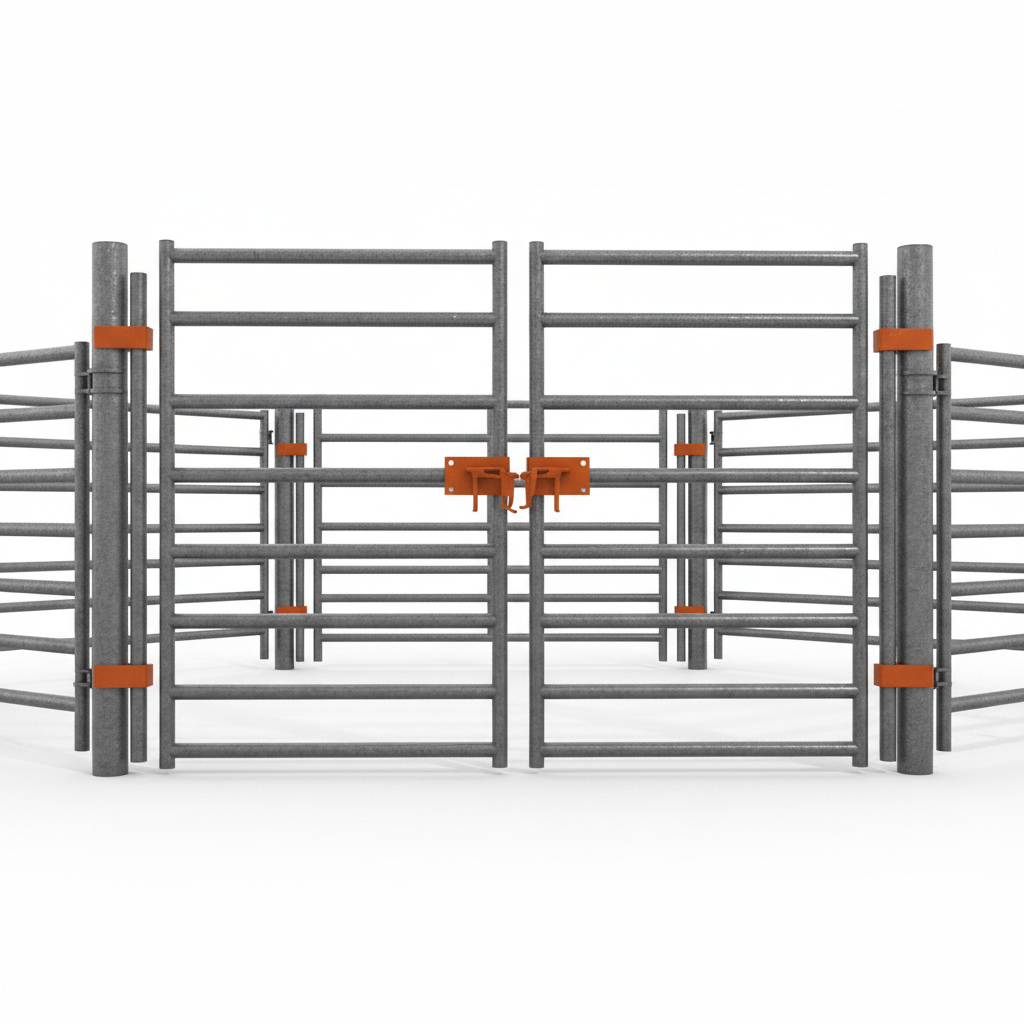
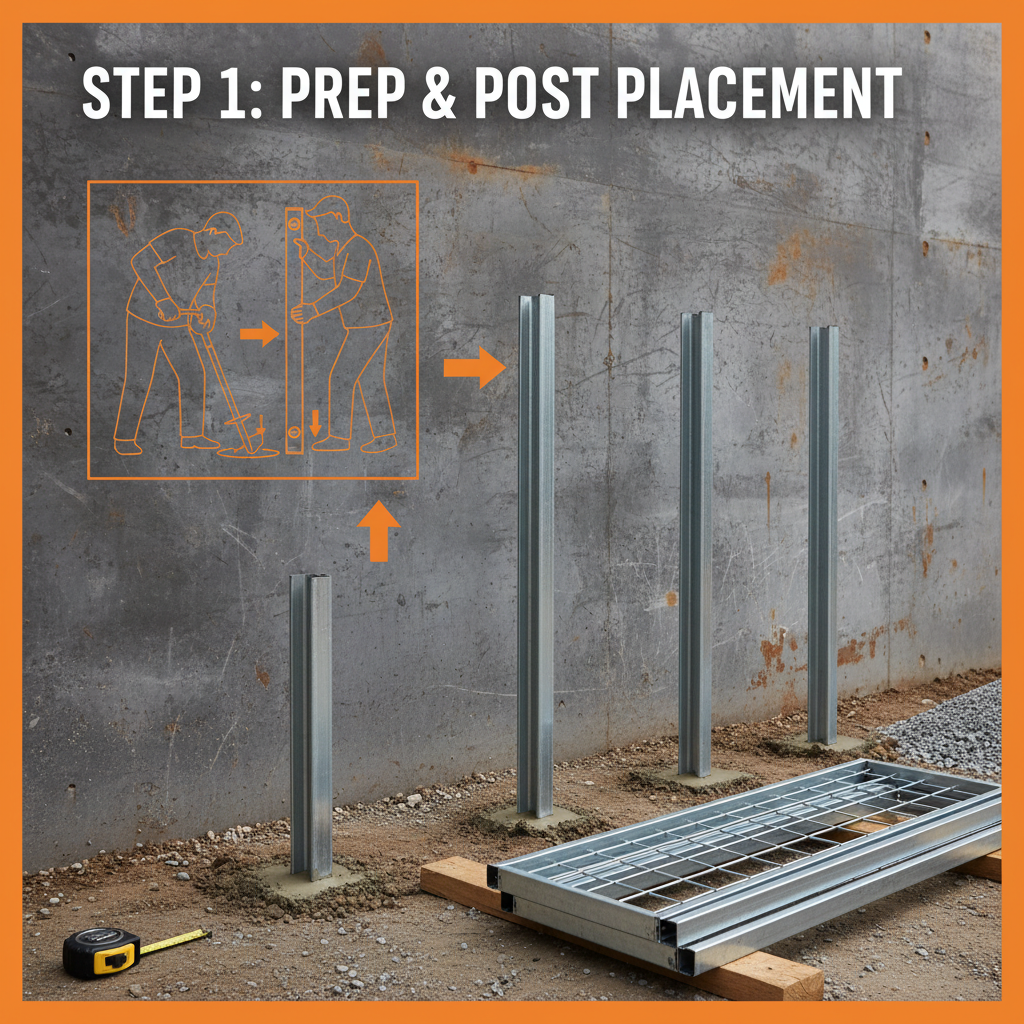
Installing livestock fence panels correctly is just as important as the quality of the material. A common mistake is failing to secure the corner posts properly, which leads to the entire line losing tension over time. We recommend using H-braces at every corner and end point to distribute the load. Additionally, ensuring the panels are tensioned correctly prevents animals from pushing under the fence, which is a frequent cause of escape for determined goats or pigs. Proper spacing of posts ensures the structural integrity of the panels remains intact throughout the seasons.
Technical Specifications for livestock fence panels
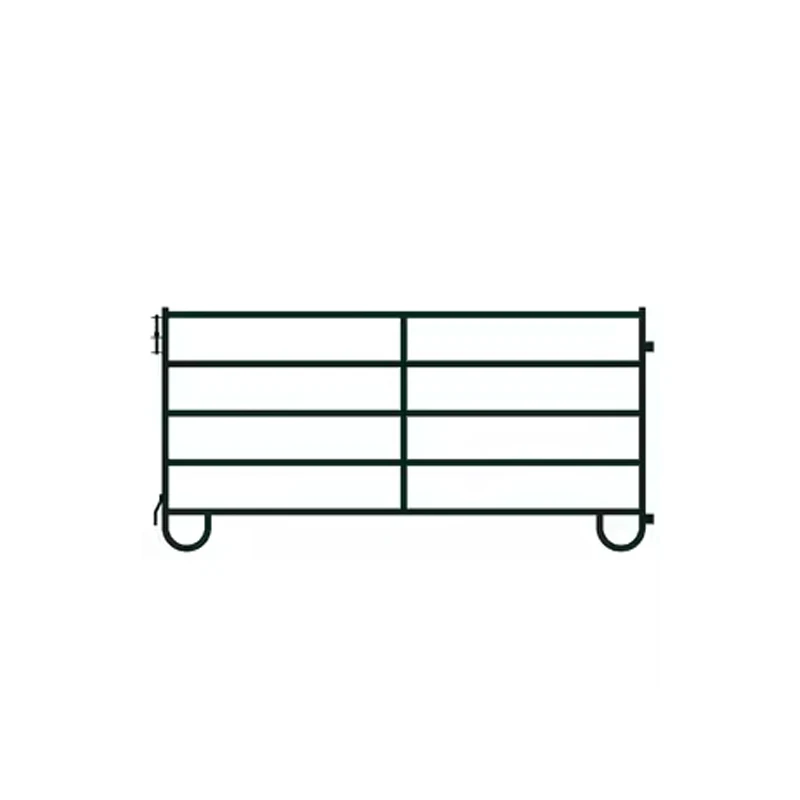
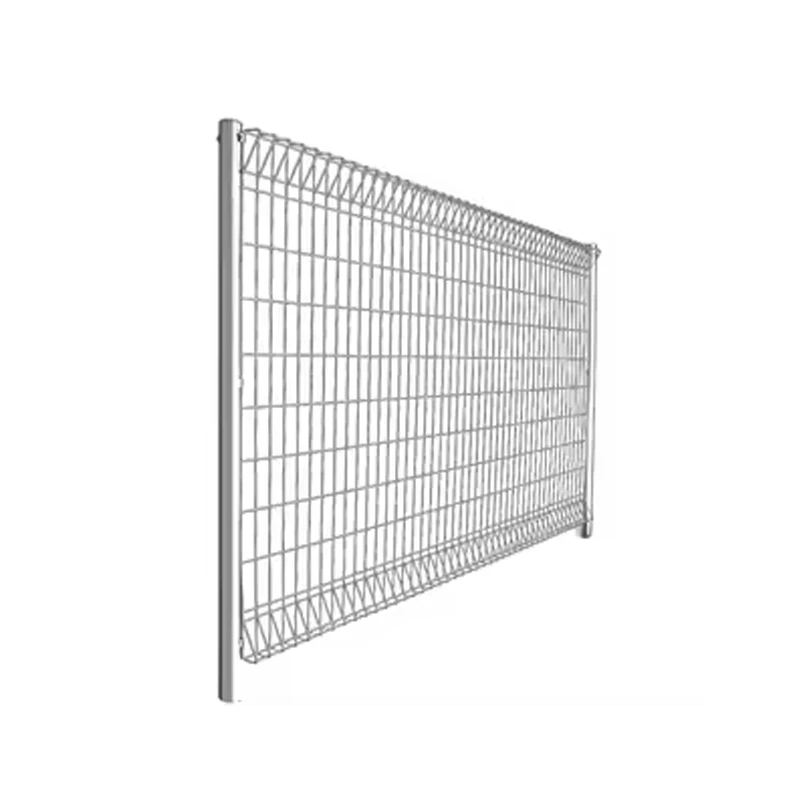
When ordering your fencing, it is crucial to look at the technical specifications to ensure the product matches your livestock's behavior. Cattle require higher impact resistance, while sheep and goats require smaller apertures to prevent them from getting their heads stuck. The gauge of the wire and the weld strength are the primary indicators of a panel's quality. Below is a standard specification table for the most common types of livestock fence panels offered for agricultural use.
Maintenance Tips for livestock fence panels
Even the most durable livestock fence panels require periodic check-ups to remain effective. We recommend a quarterly inspection of all tension points and joints. Look for signs of oxidation or "white rust" on galvanized surfaces, which can be treated with cold-galvanizing sprays. Additionally, clear away overgrown vegetation from the fence line; vines and heavy brush can put undue pressure on the mesh and create pathways for animals to push through. By maintaining your panels, you extend their service life and ensure your animals remain securely contained.
Environmental Impact and Sustainability
Modern agriculture is shifting toward more sustainable practices, and this includes fencing. Choosing recyclable steel livestock fence panels is a greener choice than using plastic-heavy alternatives. Steel is infinitely recyclable, and high-quality galvanization reduces the need for frequent replacements, thereby lowering the total carbon footprint of your farm. Furthermore, properly designed panels support rotational grazing, which improves soil health and prevents overgrazing, contributing to a more balanced ecosystem on your land.
Conclusion: Securing Your Future with Quality Fencing
The security of your livestock is non-negotiable. By choosing premium livestock fence panels, you are investing in the safety of your animals and the operational stability of your farm. From selecting the right material to ensuring precise installation and regular maintenance, every step contributes to a reliable containment system. Don't wait for a breach to happen—upgrade to professional-grade fencing today and experience the peace of mind that comes with superior protection.
Frequently Asked Questions (FAQs)
How do I choose the right gauge for my livestock fence panels?
Choosing the right gauge depends entirely on the weight and temperament of your animals. For heavy cattle or bulls, a thicker gauge (smaller gauge number, such as 4mm to 6mm) is necessary to prevent the panels from bending or breaking under pressure. For smaller animals like sheep or goats, a lighter gauge (3mm to 4mm) is usually sufficient, provided the mesh size is small enough to prevent them from slipping through. Always consult with a specialist to match the wire strength to your specific breed and animal size.
What is the difference between hot-dipped galvanized and electro-galvanized panels?
Hot-dipped galvanization involves immersing the steel in molten zinc, creating a thick, durable layer that provides superior long-term corrosion resistance. Electro-galvanization uses an electric current to apply a thinner layer of zinc. While electro-galvanized panels may look smoother, they are not as resistant to harsh outdoor environments. For livestock fence panels used outdoors, hot-dipped galvanization is strongly recommended for its longevity.
Can these panels be used for predators as well as livestock?
Yes, livestock fence panels are excellent for predator control, but the effectiveness depends on the mesh size. To keep out smaller predators like foxes or coyotes, you should choose panels with smaller apertures and consider burying the bottom 6-12 inches of the fence underground to prevent digging. For larger predators, the strength of the welded wire is the key factor. Combining high-tensile panels with a secure bottom edge creates a formidable barrier that protects your livestock from external threats.
How long do high-quality livestock fence panels typically last?
With proper installation and maintenance, high-quality hot-dipped galvanized steel panels can last between 20 to 50 years, depending on the environment. In highly corrosive areas, such as those near the ocean or in industrial zones, the lifespan may be shorter, which is why PVC coating is often added. Regular inspections to tighten tension and treat any surface scratches will ensure your fencing reaches its maximum potential lifespan.