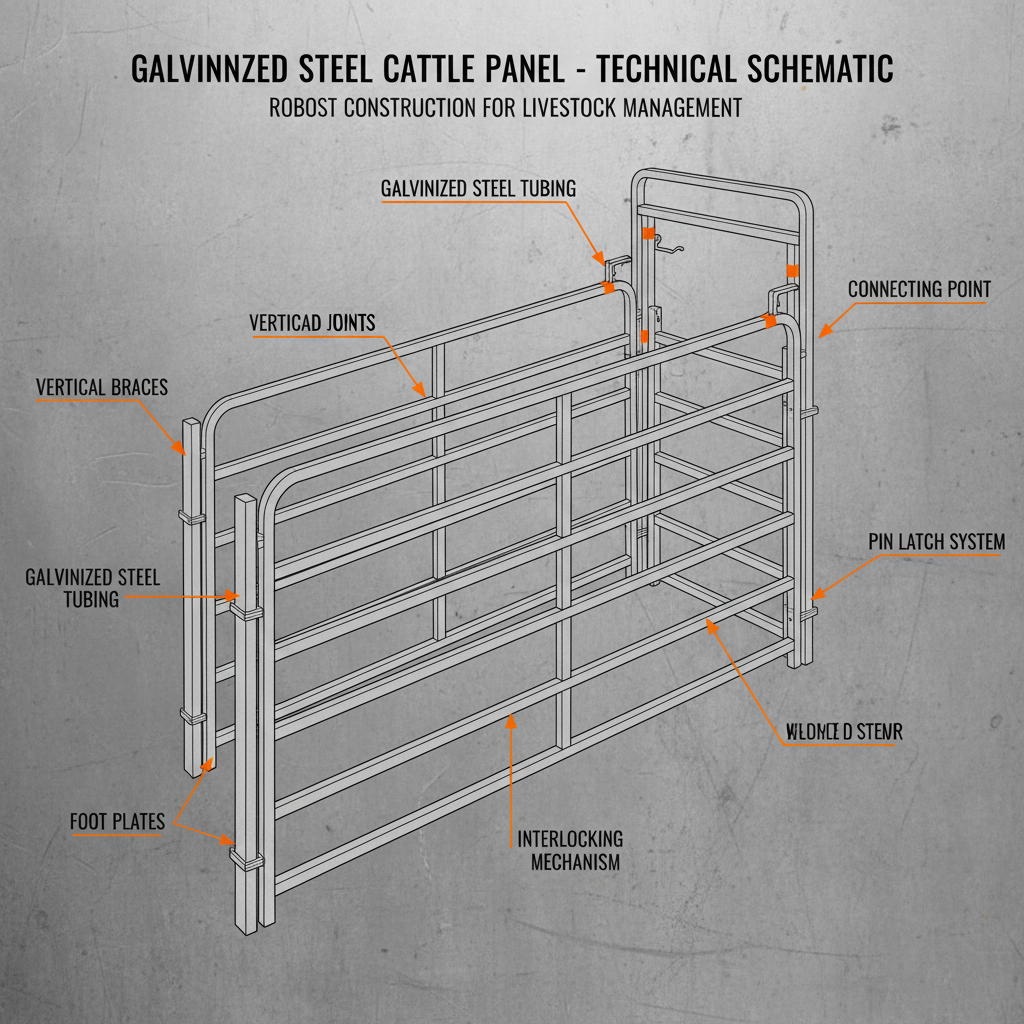
Comprehensive Guide to Durable Livestock Cattle Panels for Effective Farm Management
Livestock Cattle Panels: A Comprehensive Guide
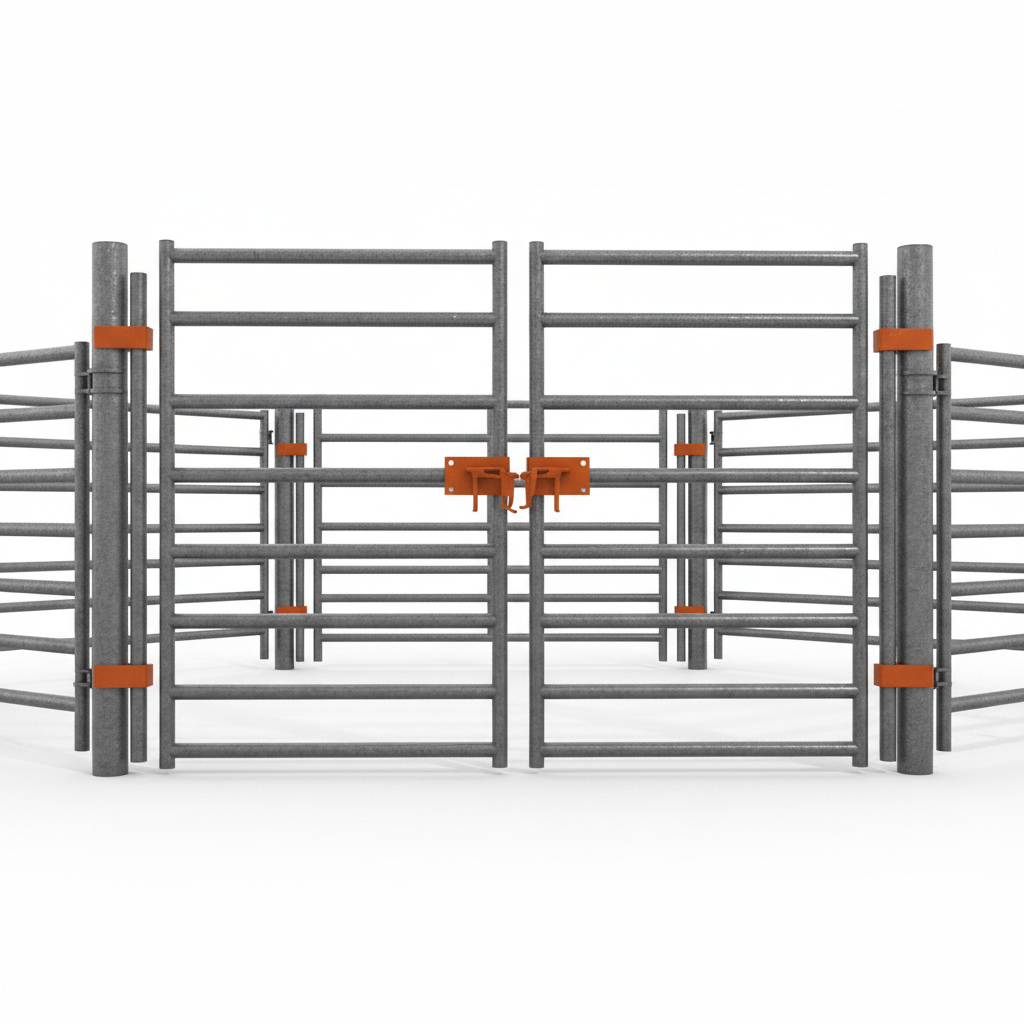
Maintaining healthy and secure livestock is paramount for any farming operation. A key component of effective livestock management is utilizing robust and reliable fencing solutions. Livestock cattle panels from SYSW Wire Mesh offer a durable, safe, and cost-effective way to contain your animals. This article will explore the benefits, applications, and considerations when choosing livestock cattle panels, providing valuable insights for farmers and ranchers.
The Advantages of Using Livestock Cattle Panels
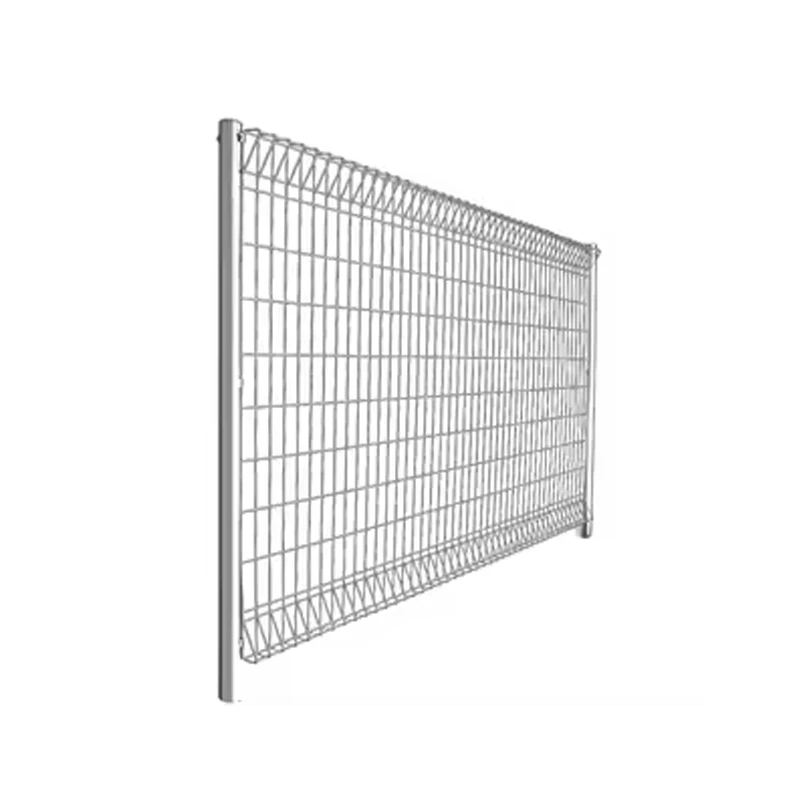
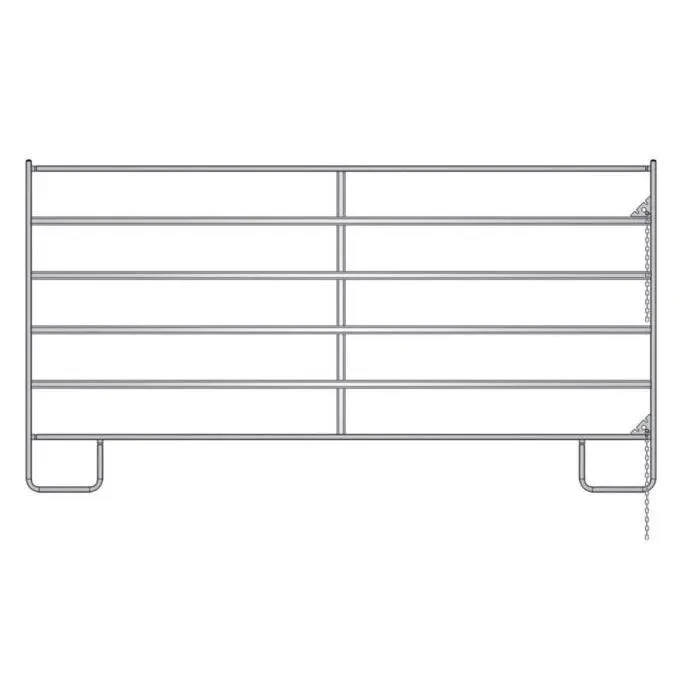
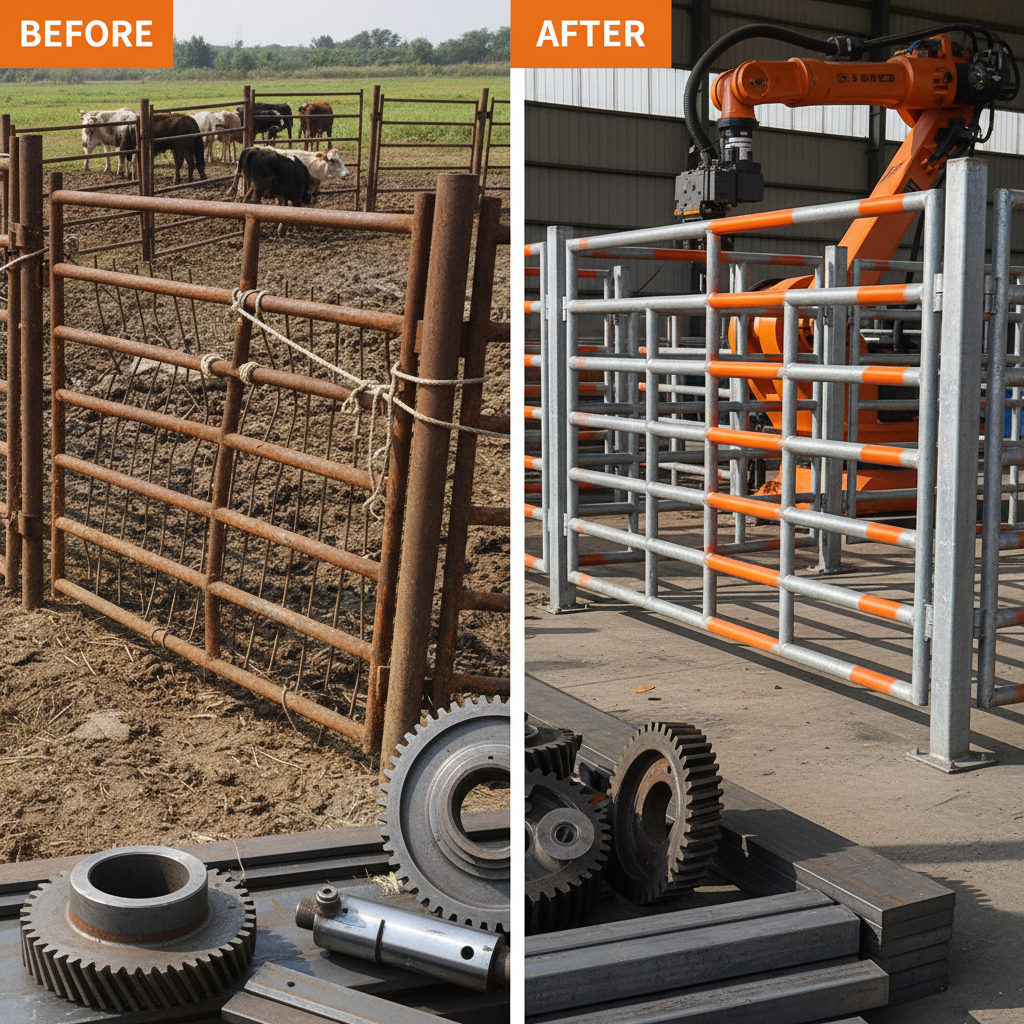
Compared to traditional fencing materials like wood or barbed wire, livestock cattle panels offer numerous advantages. They are significantly more durable, requiring less maintenance and replacement over time. The smooth, welded wire construction minimizes the risk of injury to animals, unlike barbed wire. These panels are also relatively easy to install, saving time and labor costs. Furthermore, their consistent structure provides a clear visual barrier, reducing the likelihood of animals challenging the fence line. The robust nature of these panels makes them ideal for containing larger and more powerful breeds.
Key Benefits: Durability, safety for livestock, low maintenance, easy installation, clear visual barrier, and cost-effectiveness.
Applications of Livestock Cattle Panels
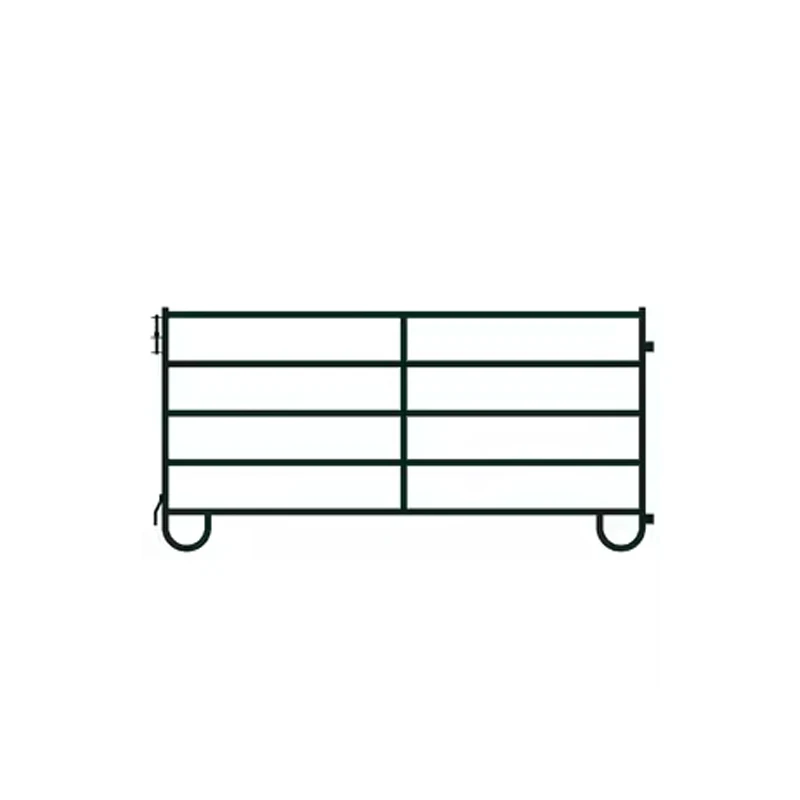
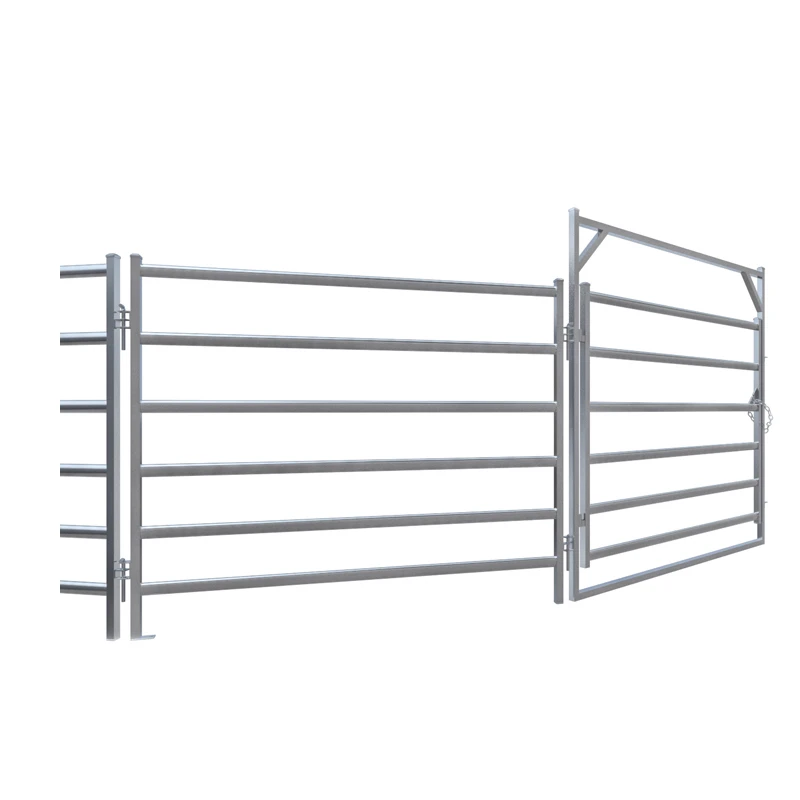
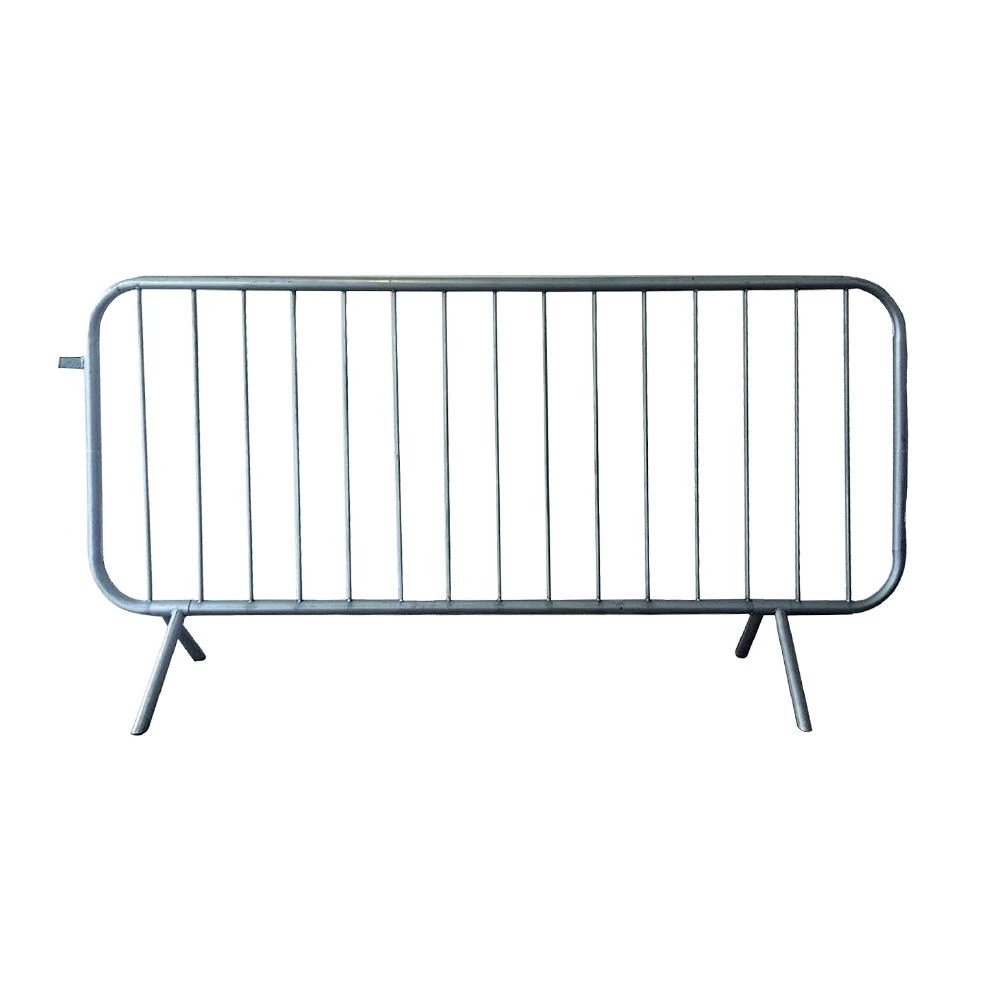
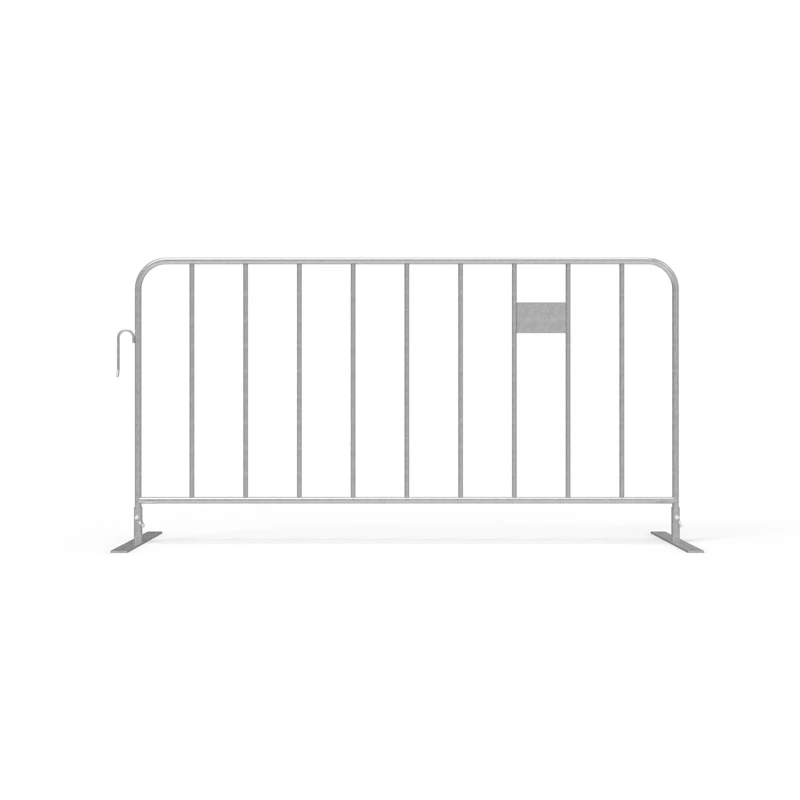
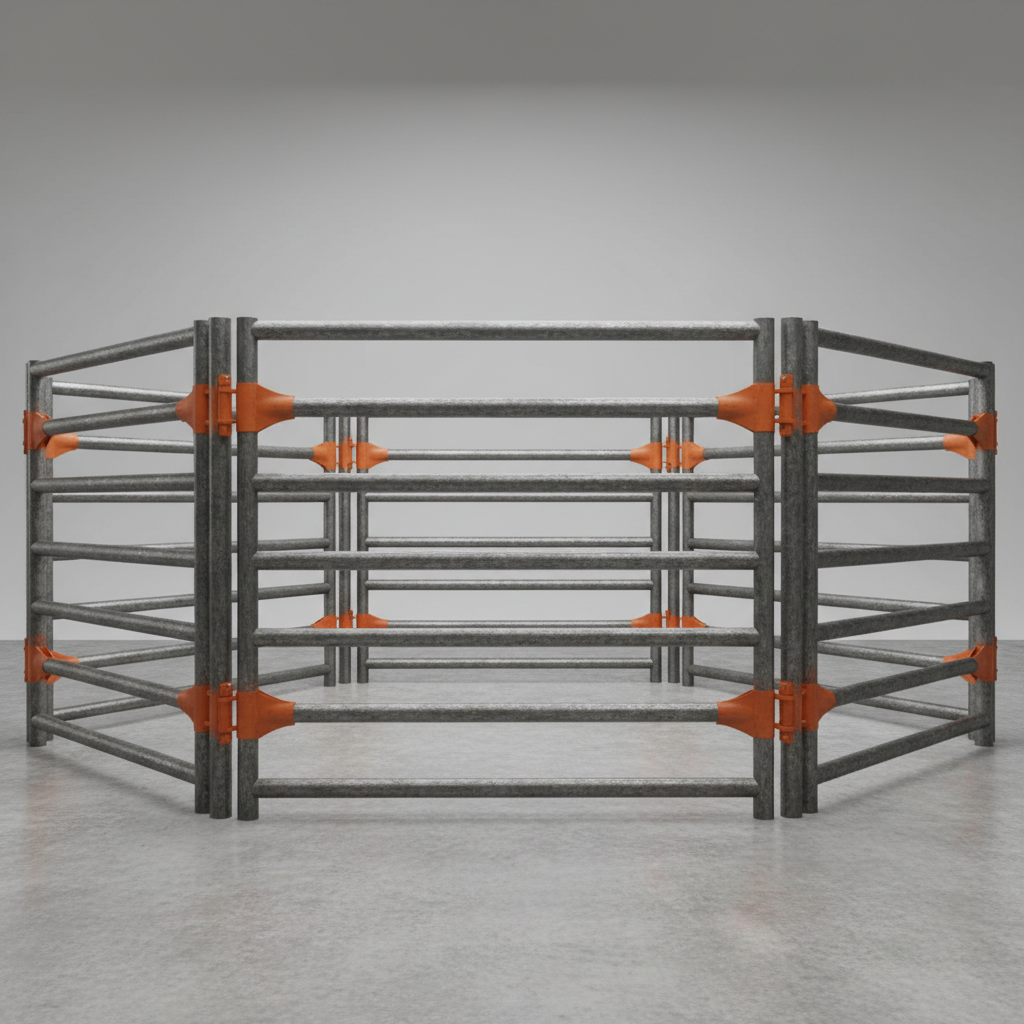
Livestock cattle panels have a wide range of applications on farms and ranches. They are commonly used to create permanent or temporary corrals for sorting, handling, and veterinary care. They are also ideal for building pens for calving, feeding, and holding livestock during transportation. Mobile panels can be easily moved to create temporary pastures or to rotate grazing areas. Beyond cattle, these panels can also be used to contain other livestock, such as sheep, goats, and horses. Their versatility makes them a valuable asset for any livestock operation.
Common Applications:
• Permanent and temporary corrals
• Calving pens
• Feeding pens
• Portable pastures
Choosing the Right Livestock Cattle Panels: Key Considerations
Selecting the appropriate livestock cattle panels depends on several factors, including the type of livestock being contained, the size of the operation, and the terrain. Consider the height and spacing of the wires – larger animals require taller panels with smaller openings. The gauge (thickness) of the wire is also crucial; heavier-gauge wire provides greater strength and durability. Galvanized or powder-coated finishes offer corrosion resistance, extending the life of the panels. Finally, assess the ease of installation and the availability of accessories, such as gates and connectors.
SYSW Wire Mesh: Your Trusted Supplier of Livestock Cattle Panels
SYSW Wire Mesh is a leading manufacturer and supplier of high-quality livestock cattle panels. We offer a wide range of panels to suit various livestock needs and budgets. Our panels are made from durable materials and feature a smooth, safe design. We are committed to providing excellent customer service and competitive pricing. Contact us today to discuss your fencing requirements and find the perfect solution for your farm or ranch.
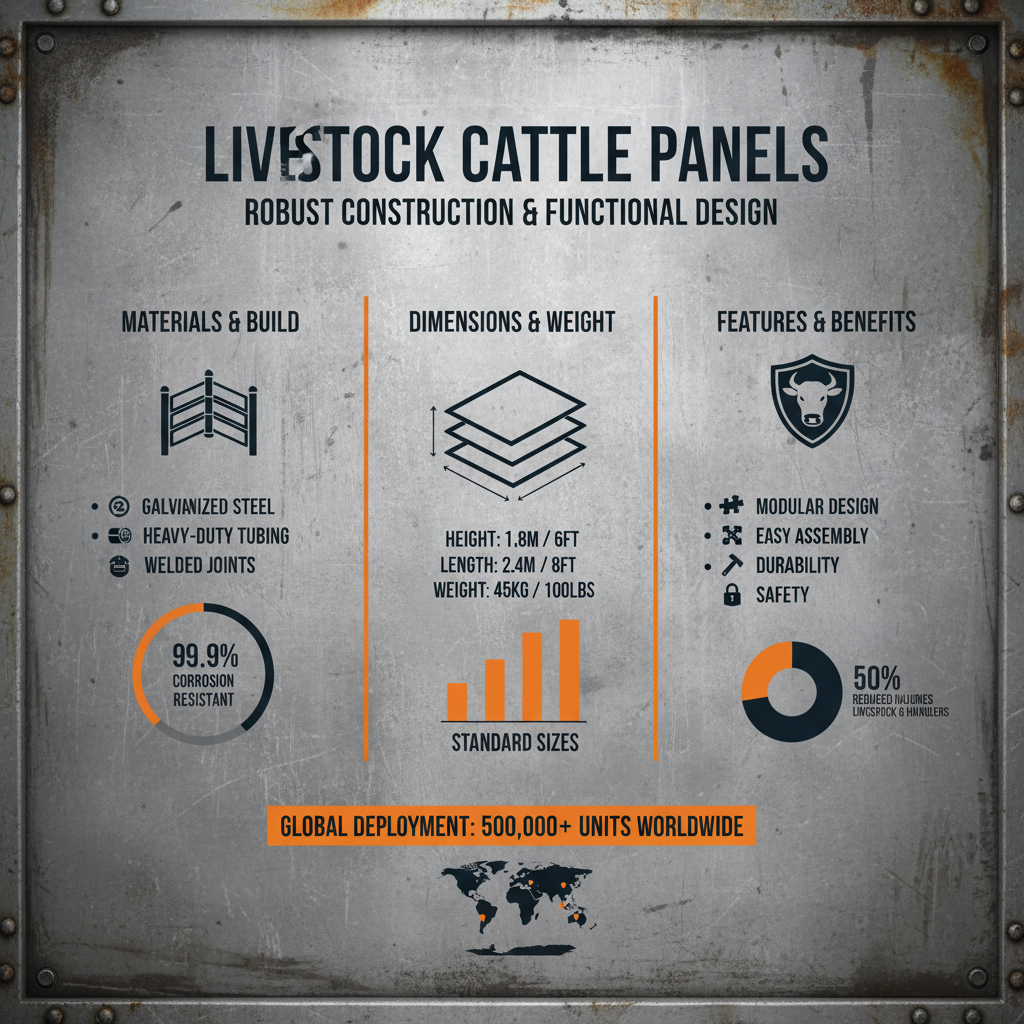
Product Specifications: SYSW Livestock Cattle Panel
Here's a look at the typical specifications for our standard livestock cattle panel:
Conclusion: Secure Your Livestock with SYSW Wire Mesh
Investing in high-quality livestock cattle panels is a vital step in ensuring the safety and well-being of your animals. SYSW Wire Mesh offers durable, reliable, and cost-effective solutions for all your fencing needs. Browse our selection today and experience the peace of mind that comes with a secure and well-maintained livestock operation.
Frequently Asked Questions (FAQs)
What is the recommended post spacing for livestock cattle panels?
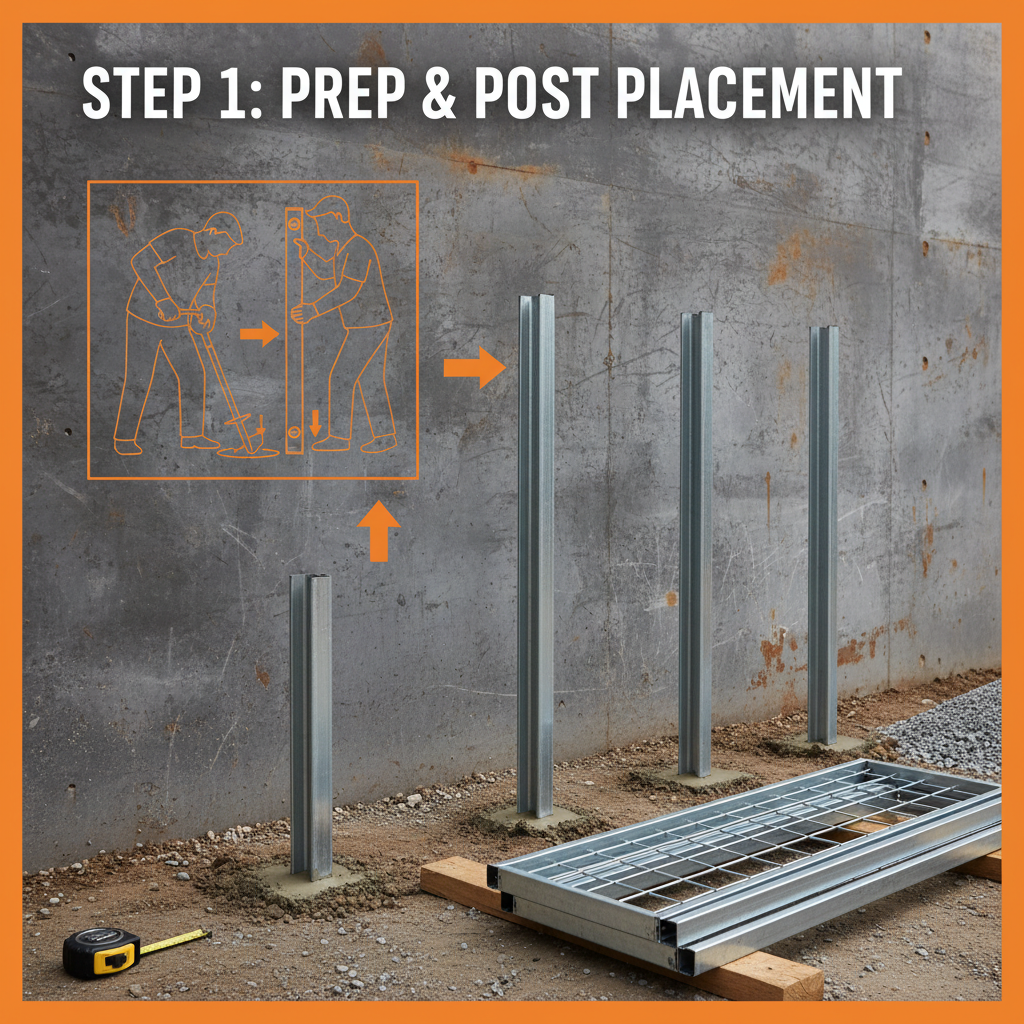
Generally, post spacing of 2.4 to 3 meters (8 to 10 feet) is recommended for livestock cattle panels. This provides adequate support and prevents the panels from sagging. The specific spacing may vary depending on the terrain and the size and strength of the livestock. In uneven terrain or for larger animals, closer post spacing may be necessary. It's crucial to use sturdy posts that are securely anchored in the ground to ensure the fence’s stability and longevity.
How do I connect livestock cattle panels together?
Livestock cattle panels are typically connected using wire ties, hog rings, or specialized panel connectors. Wire ties are a cost-effective option, but they may require more frequent tightening. Hog rings provide a more secure connection, but require a specialized tool for installation. Panel connectors are the easiest and most secure option, but they are also the most expensive. Ensure the connectors are compatible with the gauge of the wire used in the panels.
Are livestock cattle panels suitable for horses?
While livestock cattle panels can be used for horses, it’s important to choose panels with smaller openings to prevent horses from getting their legs caught. Panels with a maximum opening size of 150mm x 300mm are generally recommended for horses. Additionally, ensure the panels are securely installed and that the posts are strong enough to withstand the force of a horse leaning against the fence. Dedicated horse fencing options may be more suitable for certain applications.
What is the lifespan of galvanized livestock cattle panels?
The lifespan of galvanized livestock cattle panels typically ranges from 10 to 20 years, depending on environmental factors such as exposure to salt air, moisture, and chemicals. Powder-coated panels generally have a longer lifespan, often exceeding 20 years. Regular inspection and maintenance, such as cleaning and repairing any damaged areas, can help to extend the lifespan of the panels.