Comprehensive Guide to Building a Durable Garden Fence with Cattle Panels
Garden Fence with Cattle Panels: A Comprehensive Guide
Creating a secure and practical boundary for livestock, or simply defining your garden space, often leads to the consideration of robust fencing solutions. A garden fence with cattle panels offers a compelling blend of durability, affordability, and ease of installation. This article will delve into the benefits, applications, installation tips, and factors to consider when choosing this type of fencing. We’ll explore why it’s a popular choice for farms, ranches, and rural properties.
Understanding Cattle Panel Fencing
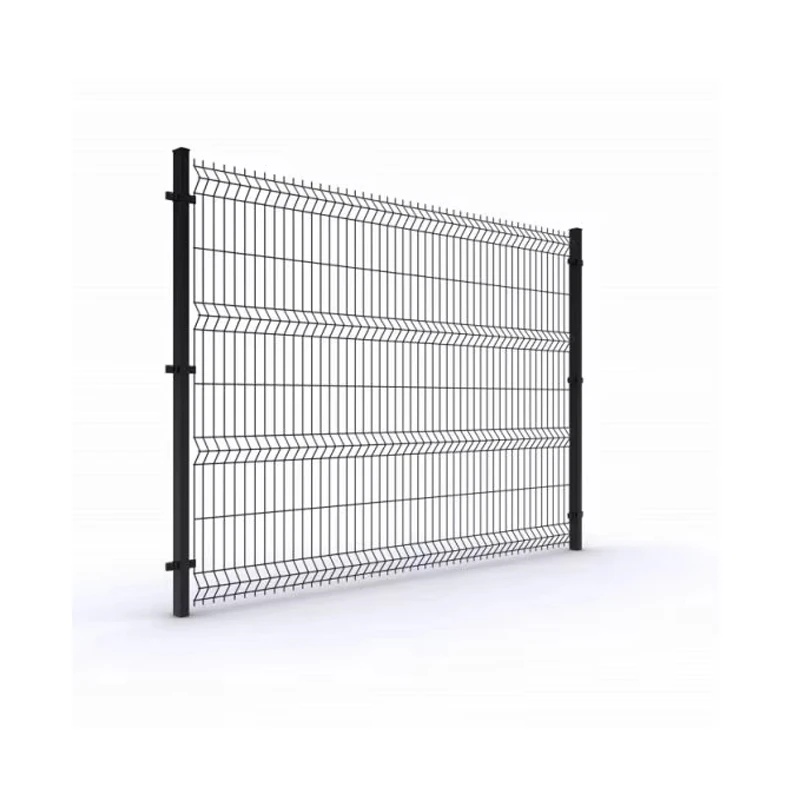
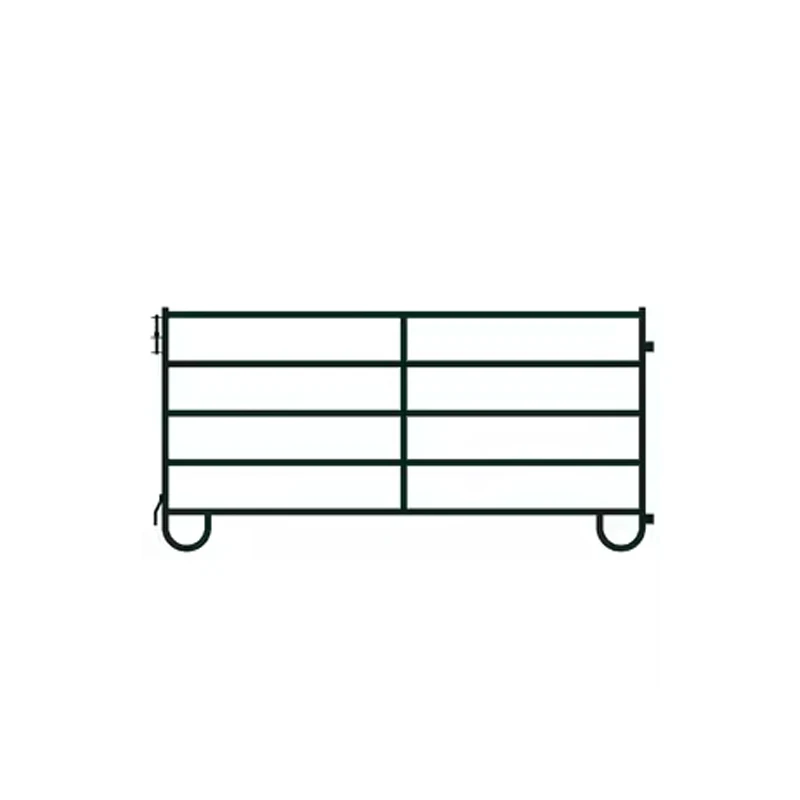
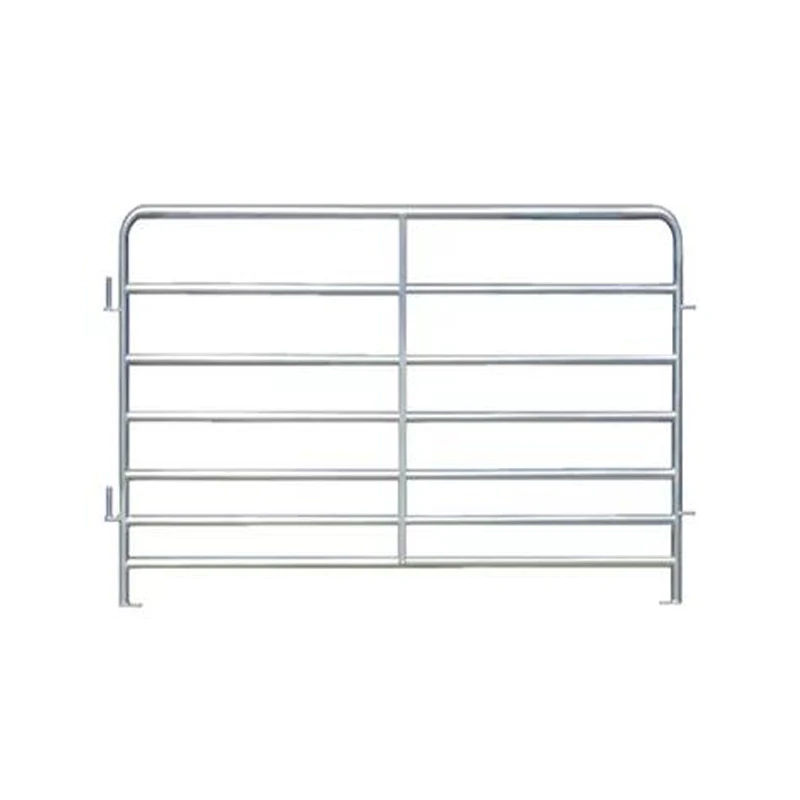
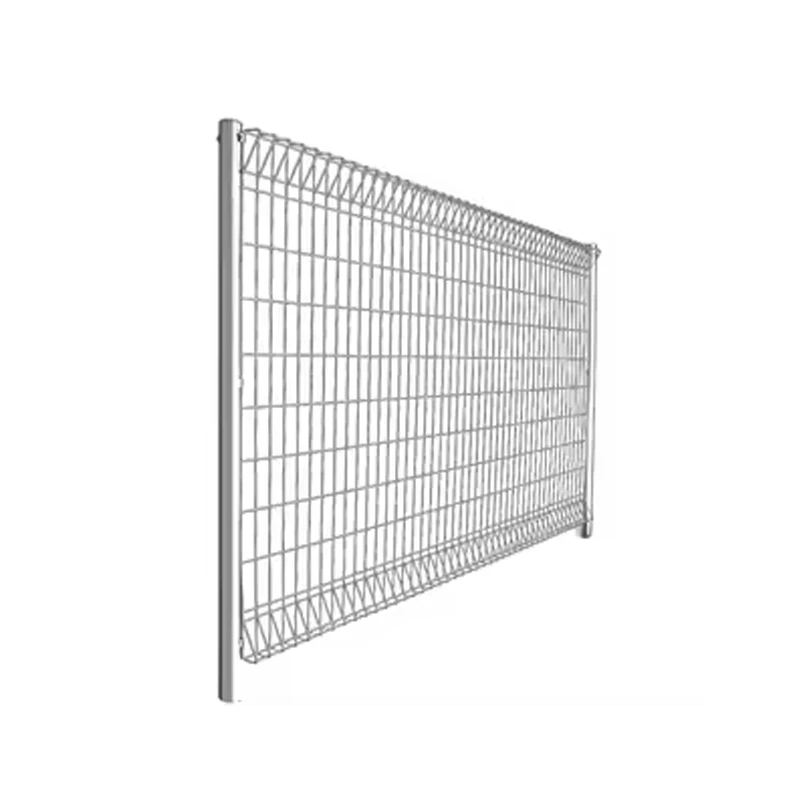
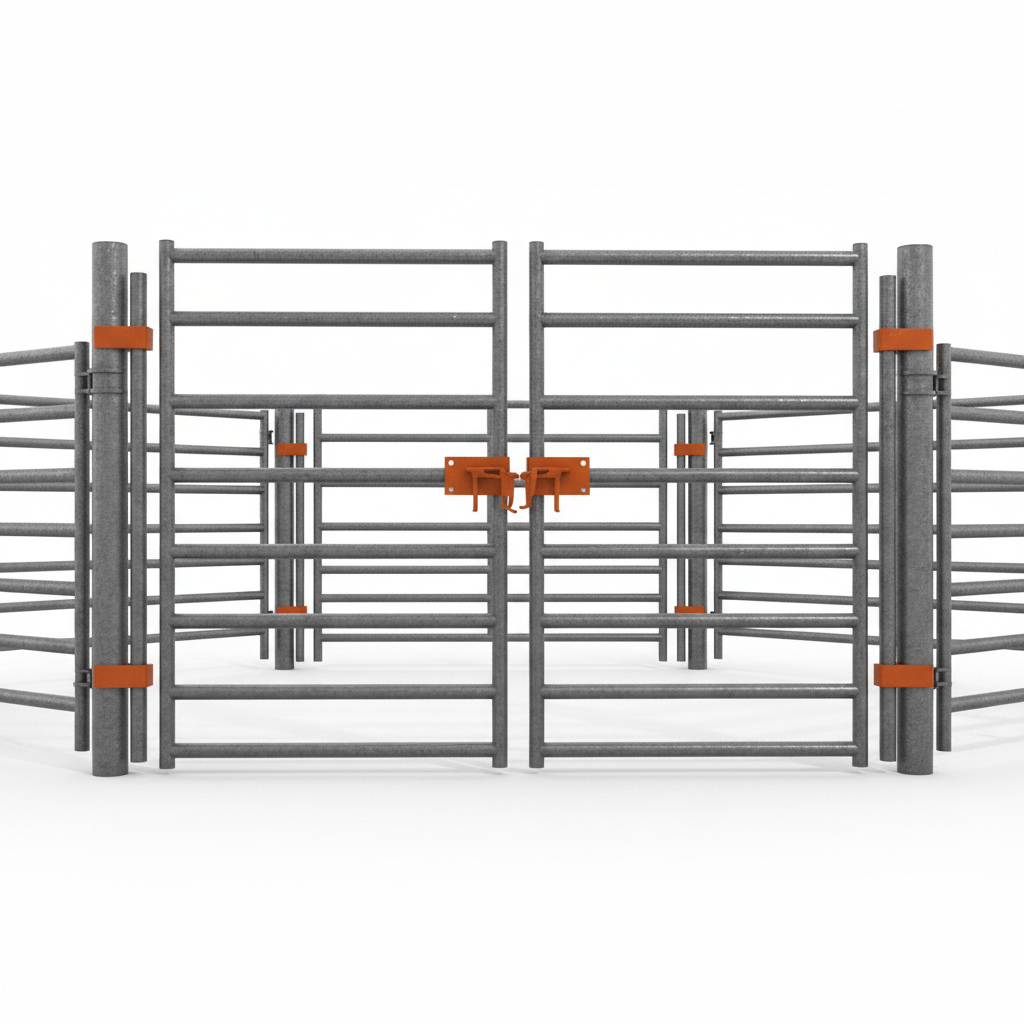
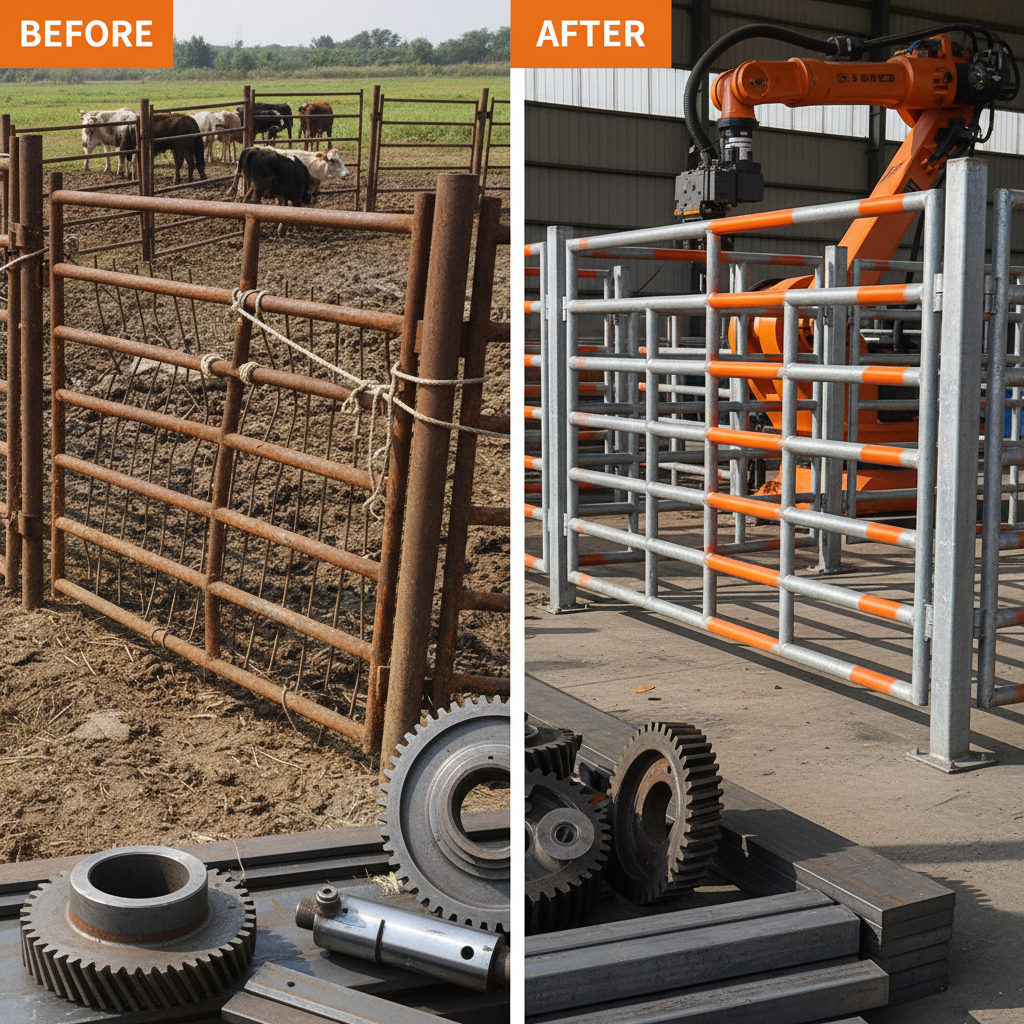
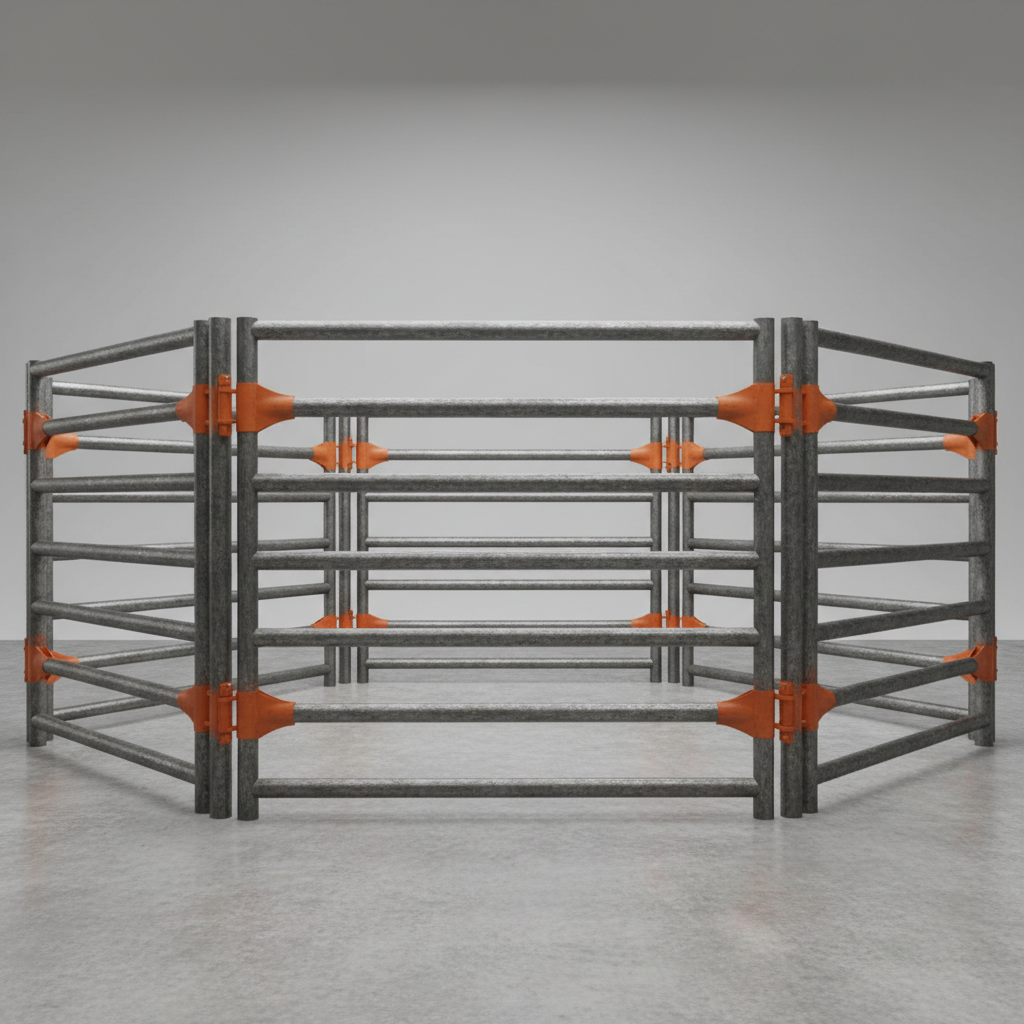
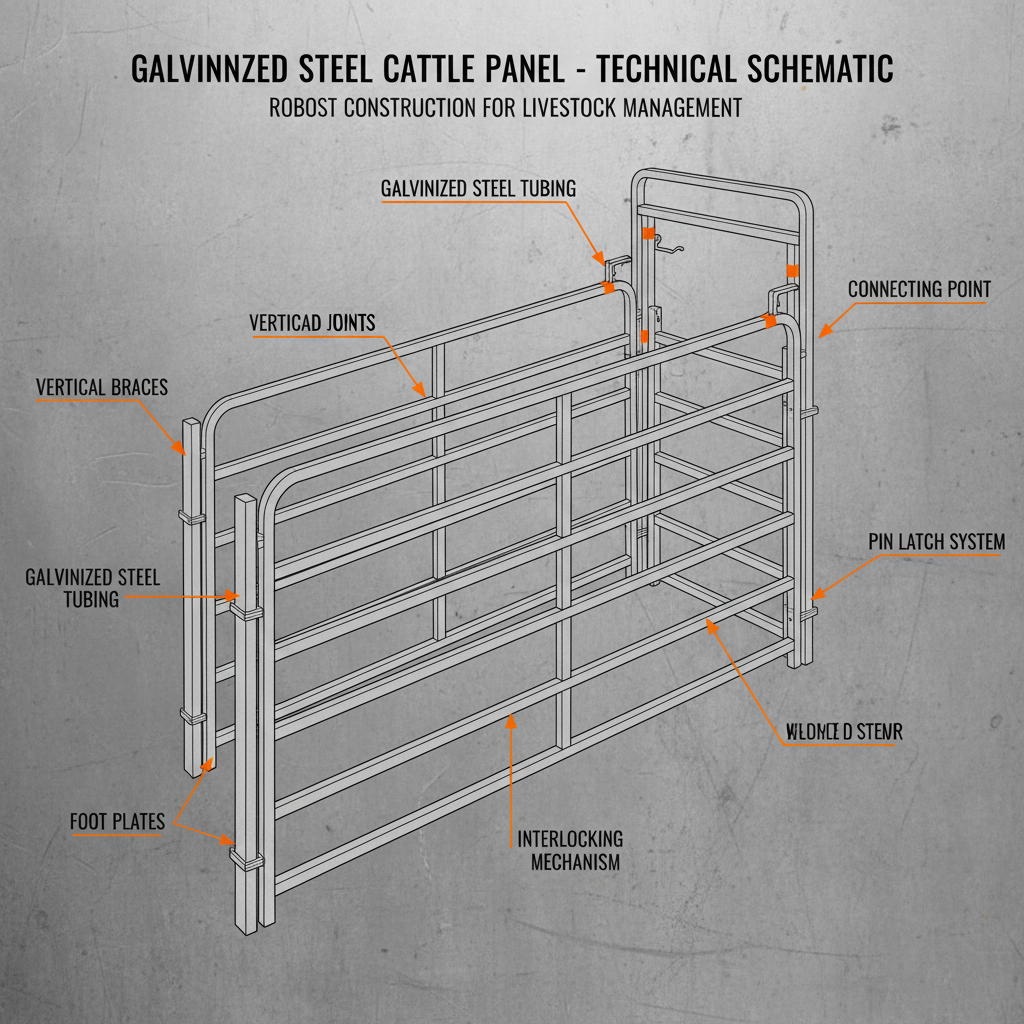
Cattle panels, also known as livestock panels, are typically constructed from heavy-duty welded wire mesh. They're designed to withstand the force of large animals, making them an excellent choice for containing cattle, horses, sheep, and goats. When used as a garden fence, these panels offer exceptional strength and longevity compared to traditional wood or lighter wire fencing. The panels are readily available in standard sizes, simplifying the planning and installation process. Their robust construction also means lower maintenance costs over time, as they are less prone to damage from weather or animal impact.
Key Highlights: Cattle panels offer exceptional strength, longevity, and require minimal maintenance, making them a cost-effective long-term solution for garden and livestock fencing.
Applications for Garden Fence with Cattle Panels
Beyond containing livestock, a garden fence with cattle panels is surprisingly versatile. It's ideal for creating secure perimeters around vegetable gardens, orchards, and flower beds, protecting your plants from deer, rabbits, and other pests. It can also be used to delineate property boundaries, providing a clear and durable visual marker. Furthermore, cattle panels can be incorporated into landscaping designs, serving as supports for climbing plants or creating unique decorative features. They’re a practical and aesthetically pleasing option for rural and suburban properties alike.
Versatile Applications:
• Protecting vegetable gardens and orchards
• Delineating property boundaries
• Supporting climbing plants
• Creating decorative landscaping features
Cattle Panels vs. Other Fencing Options
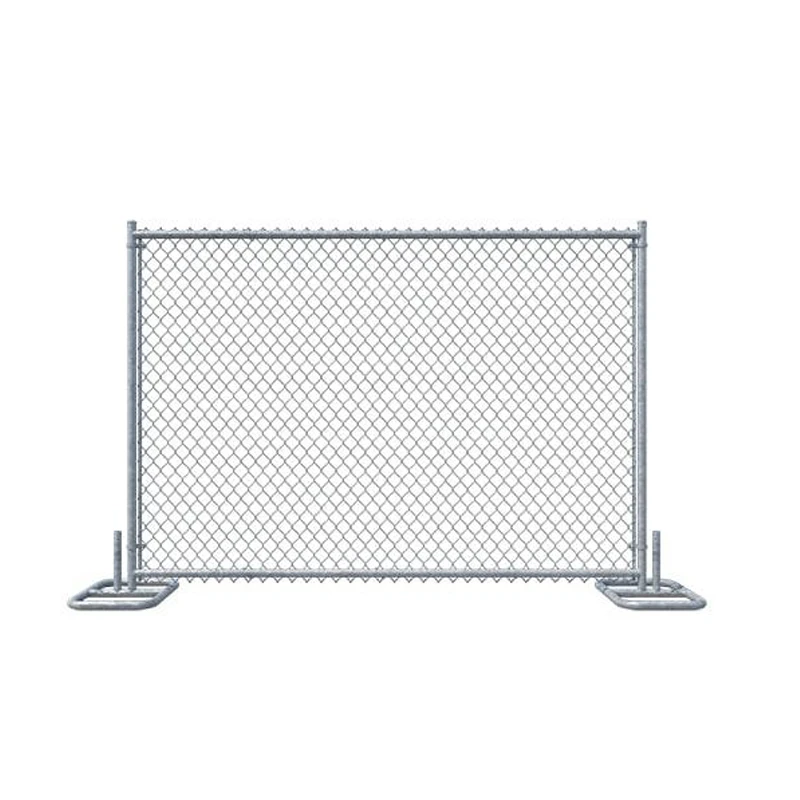
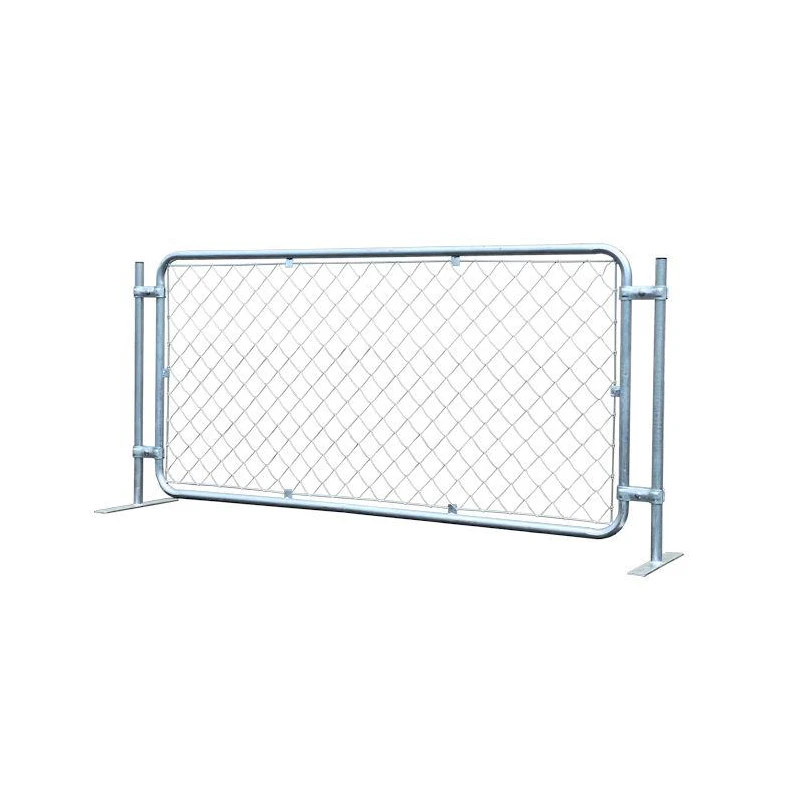
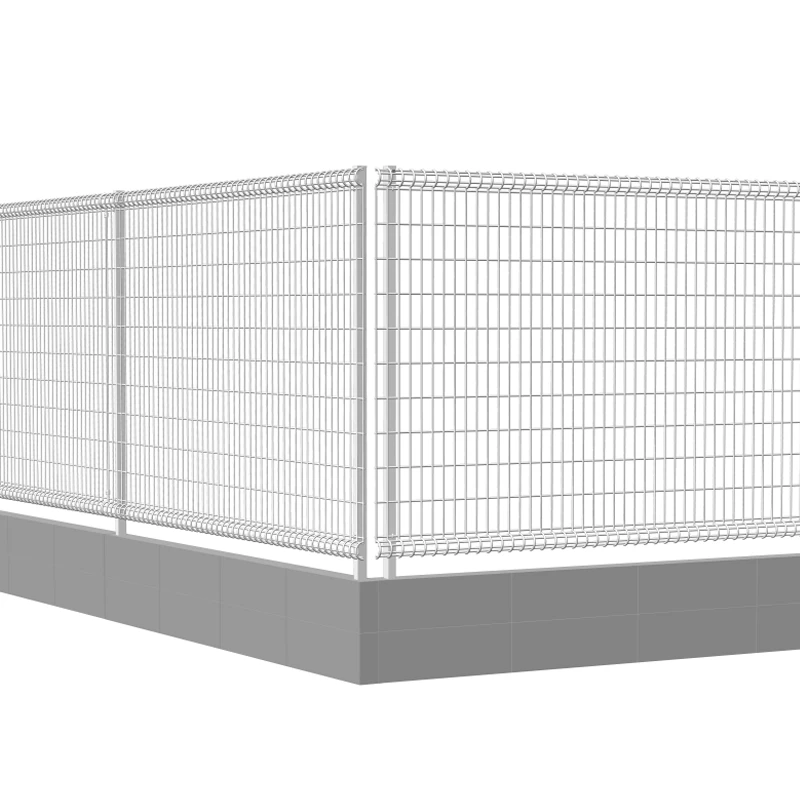
When choosing a fence, it's crucial to compare different materials and construction methods. Wood fences, while aesthetically pleasing, require significant maintenance and are susceptible to rot and insect damage. Chain-link fences offer security but can lack the visual appeal desired by some homeowners. Compared to these options, cattle panel fencing provides a compelling balance of strength, durability, and cost-effectiveness. While it may not offer the same level of privacy as a solid wood fence, it provides excellent security and requires minimal upkeep.
Installation Tips for Your Cattle Panel Fence
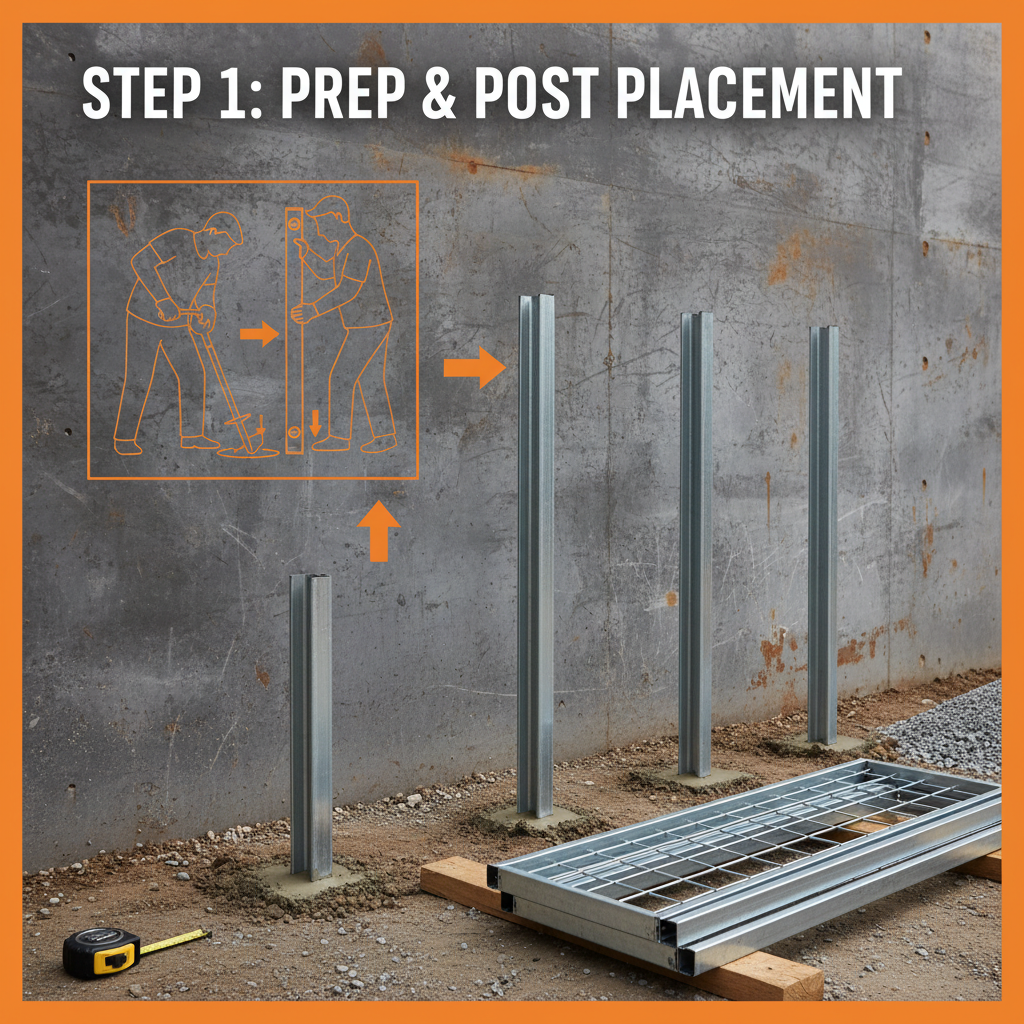
Installing a garden fence with cattle panels is a relatively straightforward process, even for DIY enthusiasts. Start by marking the perimeter of your fence line and setting posts at regular intervals (typically 8-10 feet apart). Use sturdy posts, such as treated lumber or metal T-posts. Ensure the posts are securely anchored in the ground. Then, attach the cattle panels to the posts using wire, clips, or bolts. Proper tensioning of the panels is crucial for a secure and stable fence. Consider adding a top rail for added strength and to prevent animals from reaching over or through the fence.
Choosing the Right Cattle Panels: Key Considerations
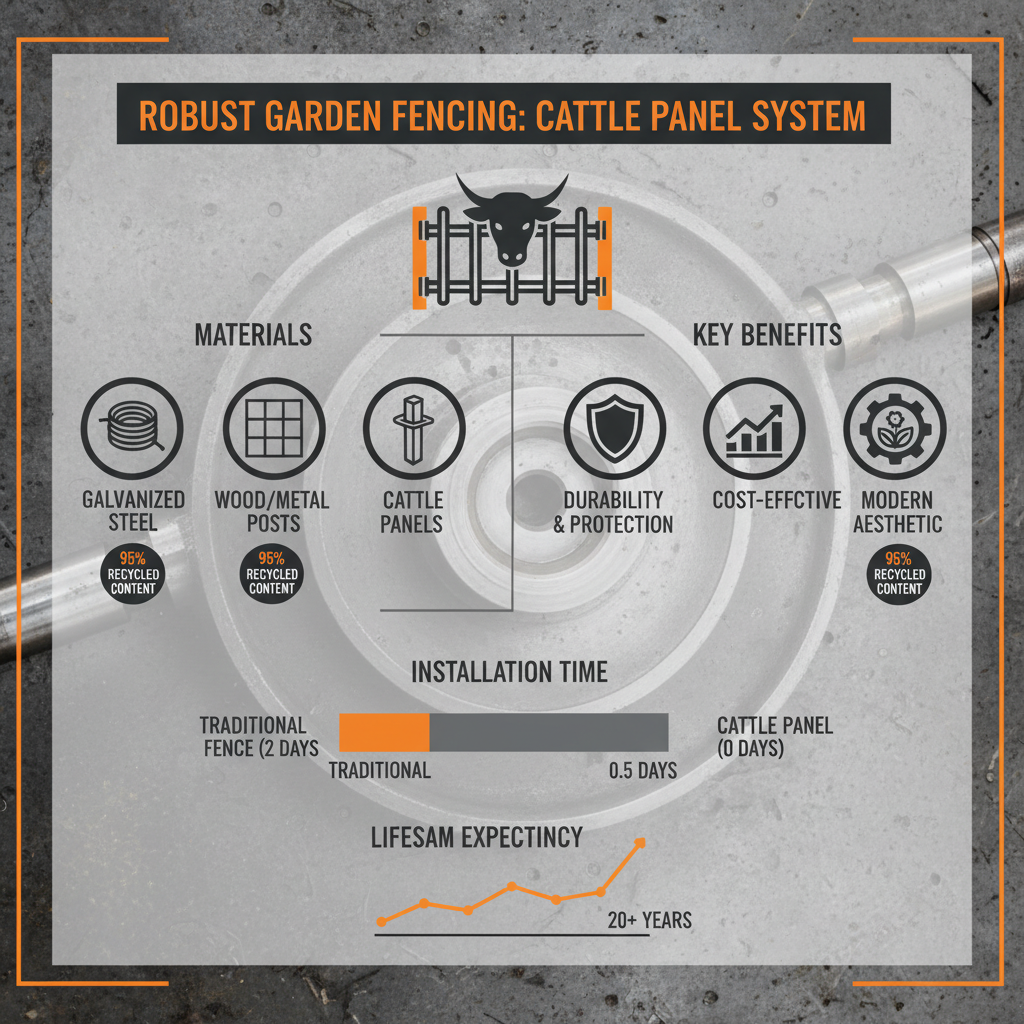
When selecting cattle panels, consider the following factors: Panel Height: Choose a height appropriate for the animals you’re containing or the level of security you require. Wire Gauge: A heavier wire gauge indicates greater strength and durability. Panel Size: Standard panel sizes are readily available, but custom sizes may be necessary for specific applications. Galvanization: Opt for galvanized panels to resist rust and corrosion, extending the life of your fence. <a href="https://www.syswwiremesh.com" style="color: #e74c3c; text-decoration: underline; font-weight: 600;">Syswwiremesh.com</a> provides a wide variety of cattle panels to fit any requirement.
Conclusion: A Smart Investment for Security and Peace of Mind
A garden fence with cattle panels is a durable, cost-effective, and versatile solution for containing livestock, protecting gardens, and securing property. With proper planning and installation, this type of fencing can provide years of reliable service and peace of mind. Don't hesitate to invest in a quality fence that meets your specific needs.
Frequently Asked Questions (FAQs)
How much does it cost to install a cattle panel fence?
The cost of installing a cattle panel fence varies depending on several factors, including the length of the fence, the cost of materials (panels, posts, fasteners), and labor costs if you hire a professional installer. Generally, you can expect to pay between $3 to $8 per linear foot for materials and installation. DIY installation can significantly reduce labor costs. Factors such as terrain and accessibility can also influence the overall cost. <a href="https://www.syswwiremesh.com" style="color: #e74c3c; text-decoration: underline; font-weight: 600;">Contacting Syswwiremesh</a> for a quote is a great first step.
What is the recommended post spacing for cattle panel fencing?
The recommended post spacing for cattle panel fencing is typically 8 to 10 feet apart. This spacing provides sufficient support for the panels and ensures a stable fence line. However, the optimal spacing may vary depending on the terrain, the type of animals being contained, and the height of the panels. On uneven ground, closer post spacing may be necessary to maintain a consistent fence height. Always consult with a fencing professional for guidance specific to your situation.
How long do cattle panels typically last?
With proper care and maintenance, cattle panels can last for 15-20 years or even longer. The lifespan of the panels depends on factors such as the quality of the galvanization, the climate, and the level of animal pressure. Regularly inspect the panels for rust or damage and repair any issues promptly. Maintaining the surrounding vegetation to prevent excessive moisture buildup can also extend the lifespan of the fence.
Can cattle panels be used for temporary fencing?
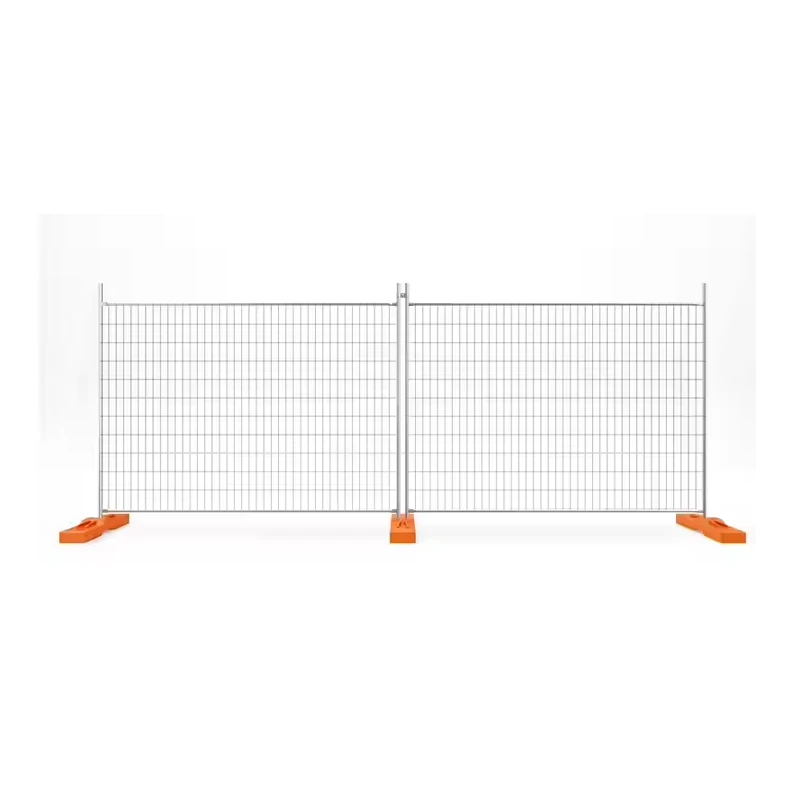
Yes, cattle panels are often used for temporary fencing, particularly for rotational grazing or event perimeters. Their portability and ease of installation make them ideal for temporary applications. They can be supported by T-posts or other temporary fencing posts. However, it’s important to ensure the temporary fence is adequately secured to prevent accidental breaches.