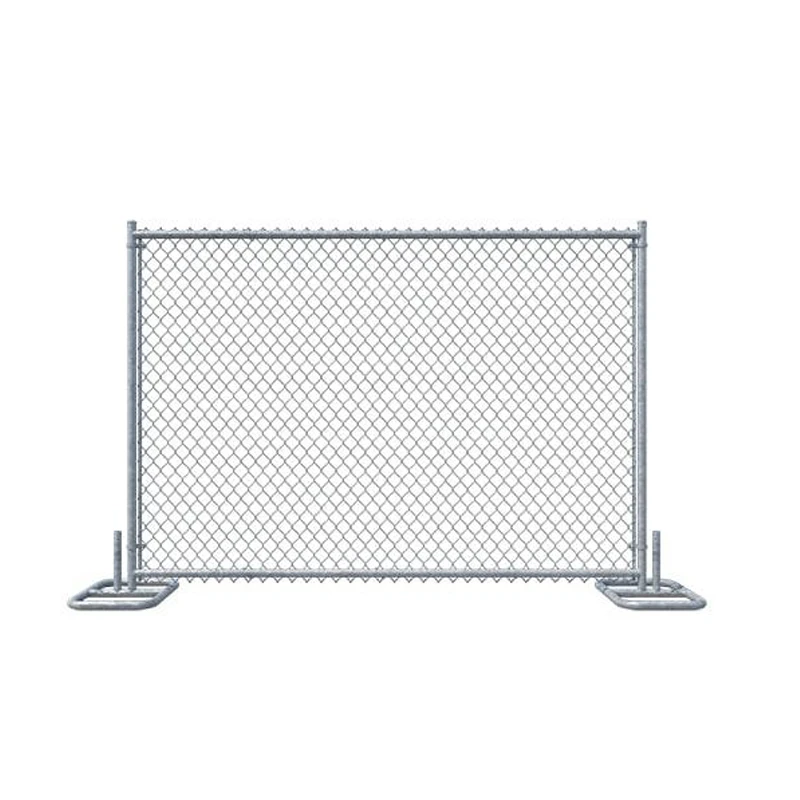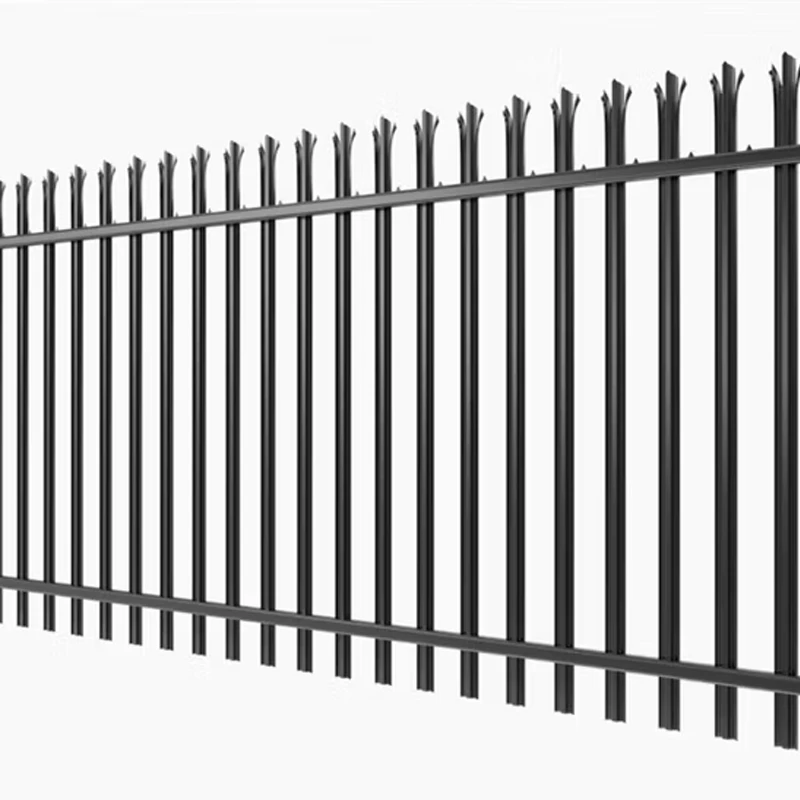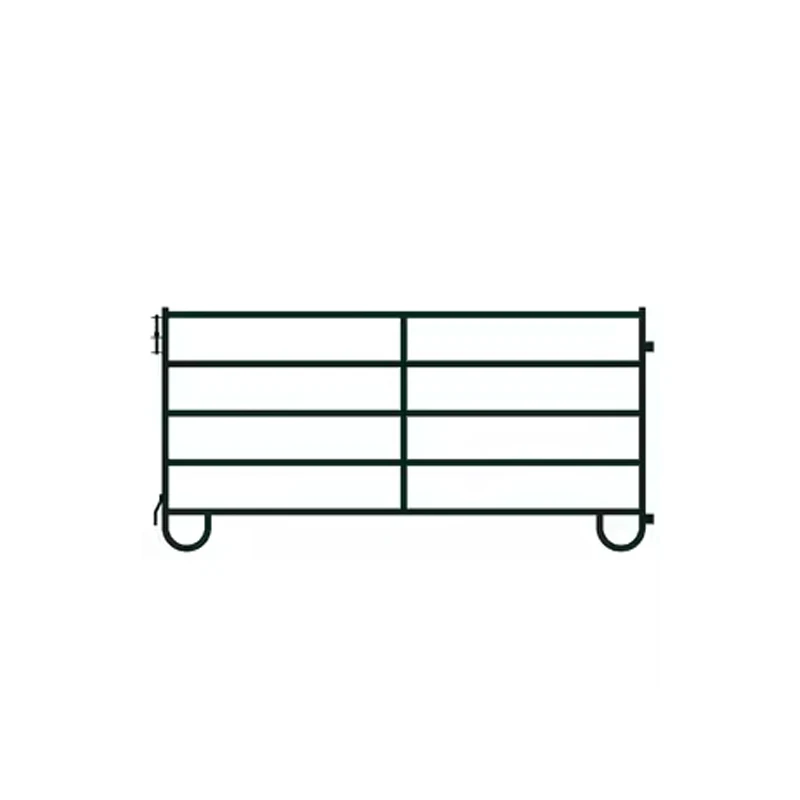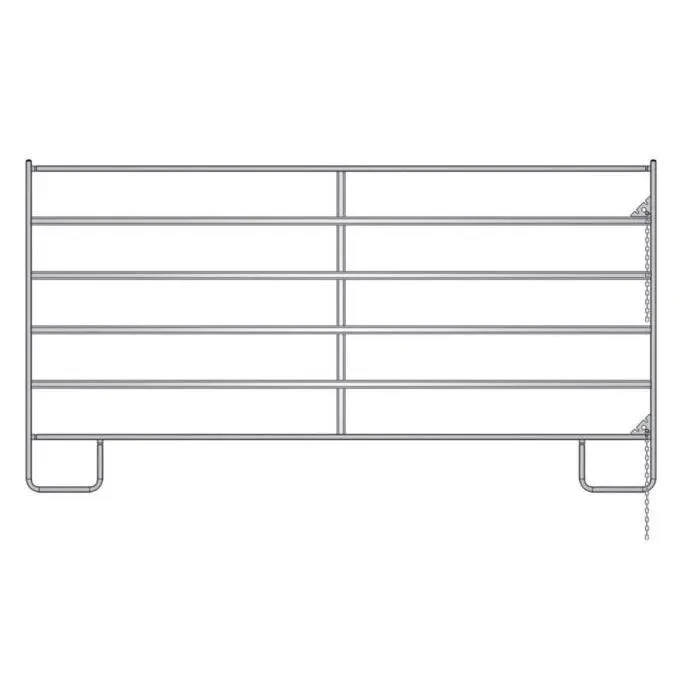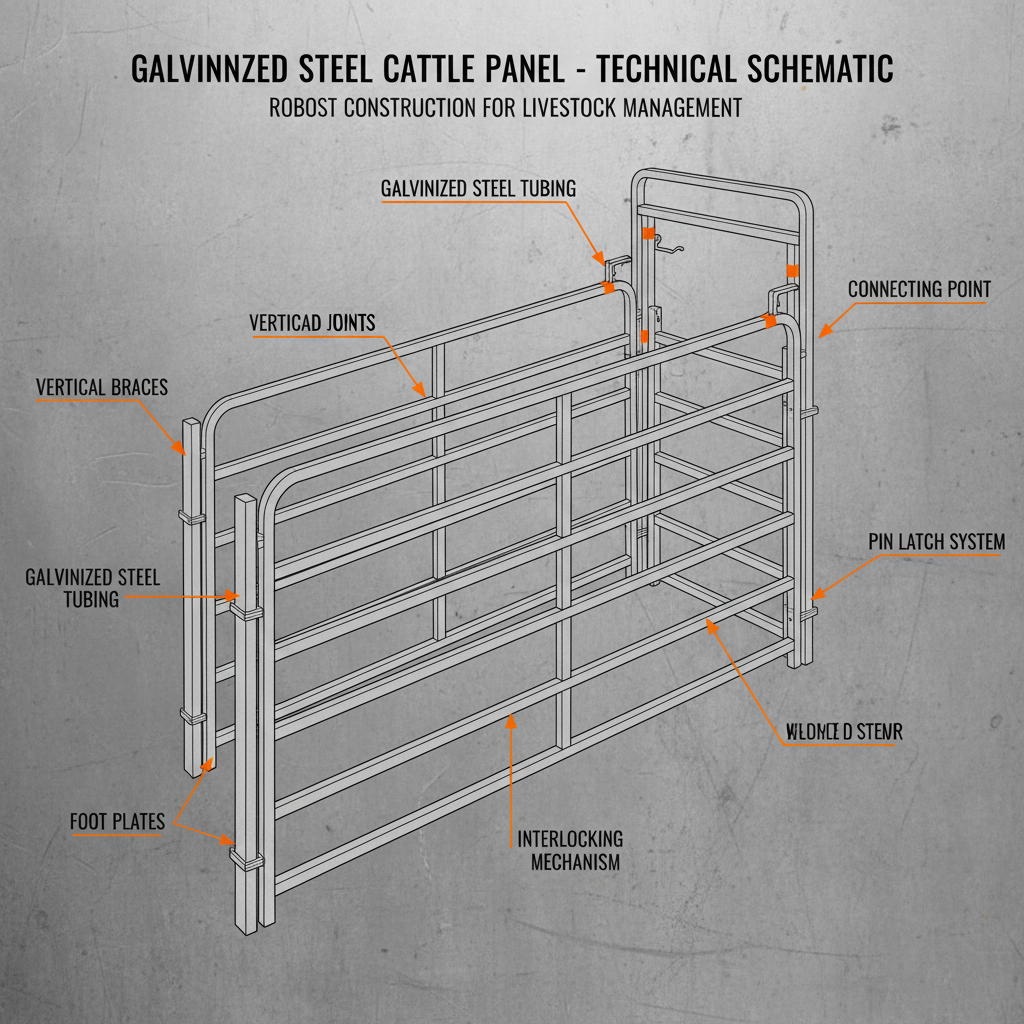
High Quality Durable Livestock Fencing Panels for Farm Security
The Ultimate Guide to Choosing High-Quality Livestock Fencing Panels
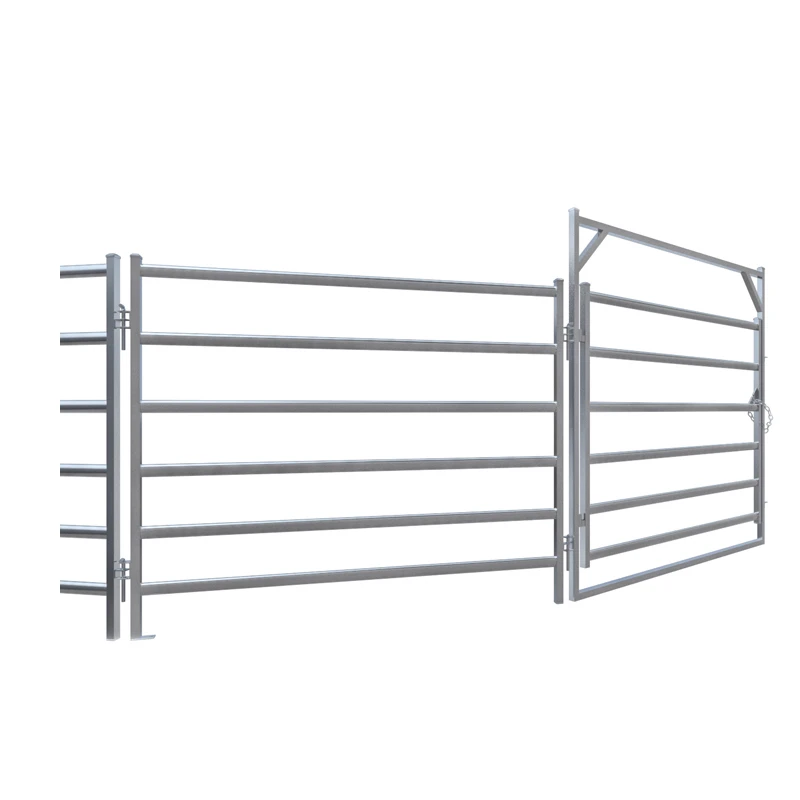
Managing livestock requires a delicate balance between animal security and operational efficiency. One of the most critical investments for any farm or ranch is the installation of durable livestock fencing panels, which serve as the primary barrier against predators and prevent livestock from wandering. Whether you are managing cattle, sheep, or pigs, the quality of your fencing determines the safety of your herd and the longevity of your infrastructure. In this comprehensive guide, we will explore the technical aspects, material choices, and strategic installations that make modern fencing systems a cornerstone of successful agricultural management.
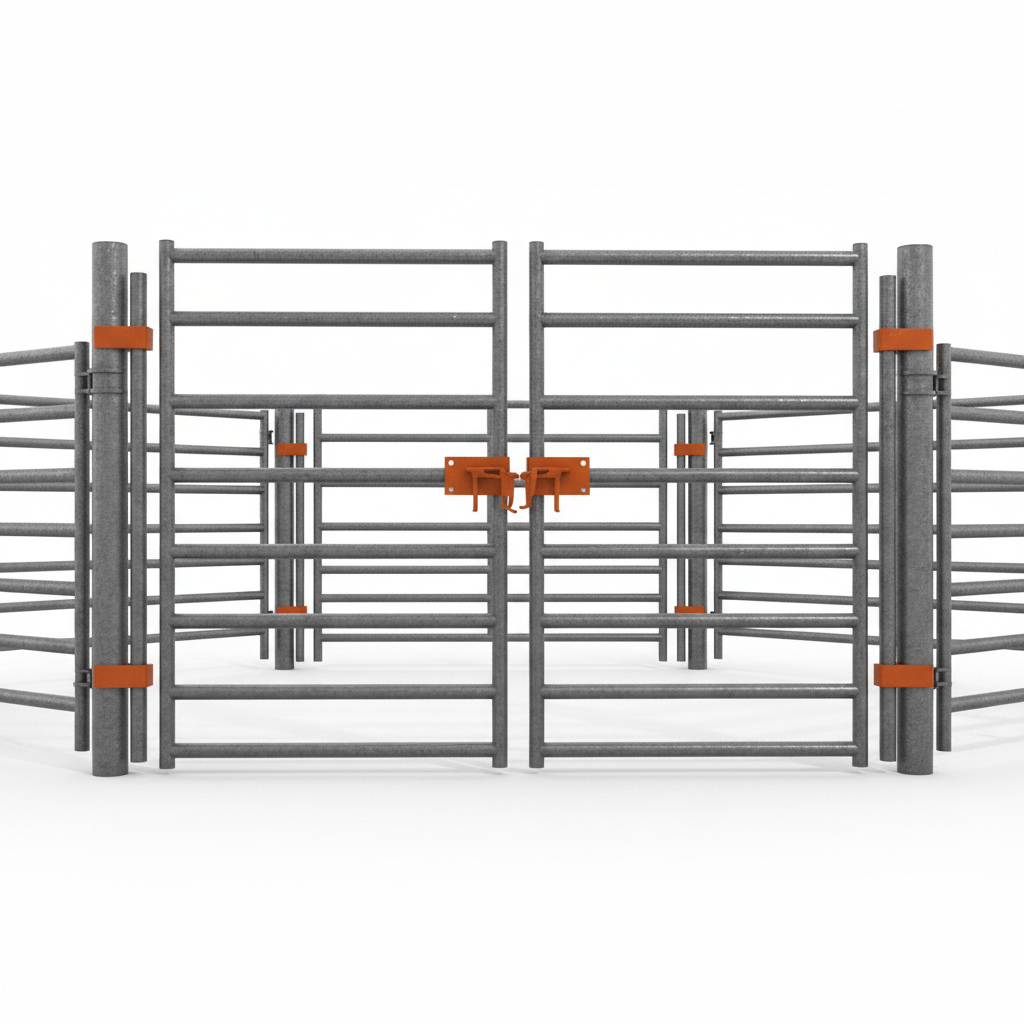
Understanding the Role of Livestock Fencing Panels in Animal Welfare
Proper containment is not just about boundaries; it is about animal welfare. High-quality livestock fencing panels are designed to be sturdy enough to withstand the pressure of leaning animals while remaining smooth enough to prevent skin lacerations or injuries. When panels are correctly spaced and tensioned, they reduce the stress on animals by providing a clear, secure perimeter. This stability prevents panic and reduces the likelihood of animals attempting to break through the fence, which often leads to costly repairs and livestock loss.
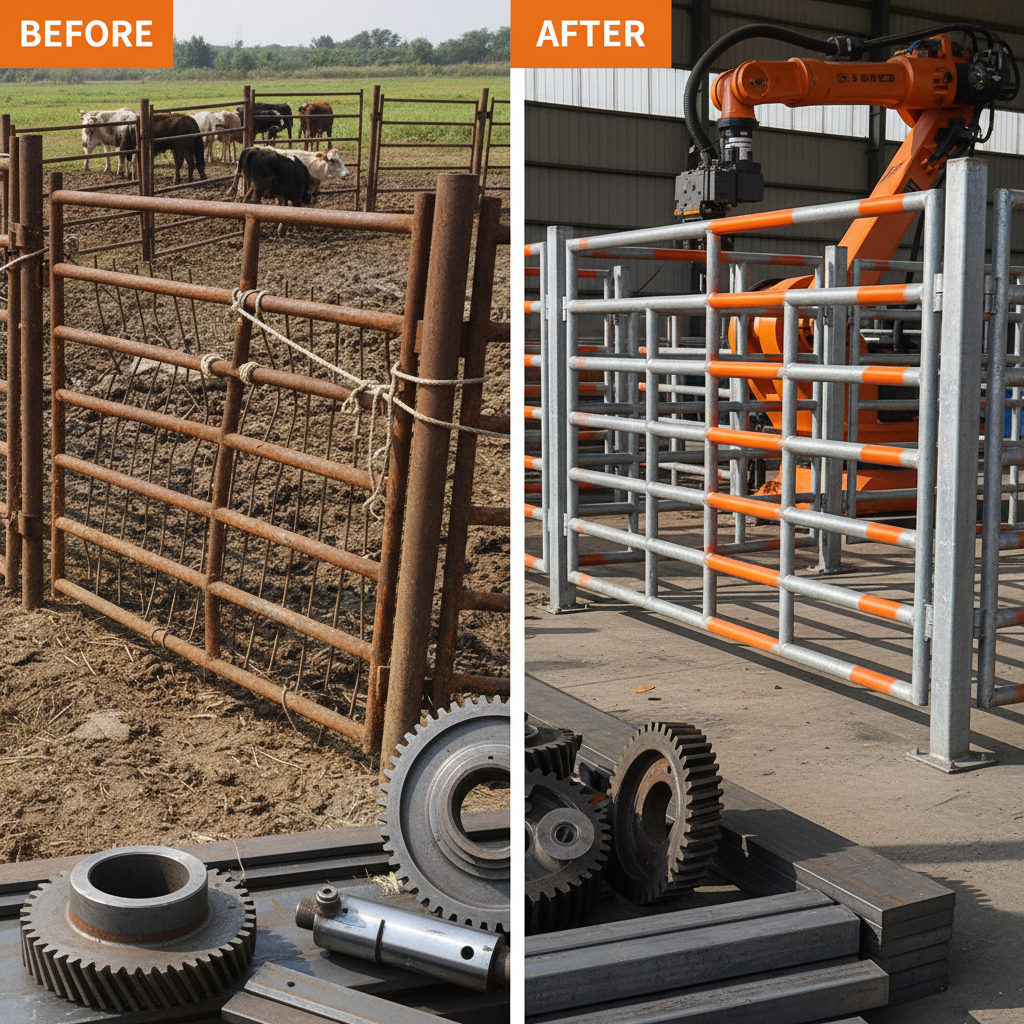
Pro Tip: Always choose panels with a galvanized coating to prevent rust, especially in humid or coastal environments, ensuring the structural integrity of your perimeter for decades.
Comparing Different Types of Livestock Fencing Panels
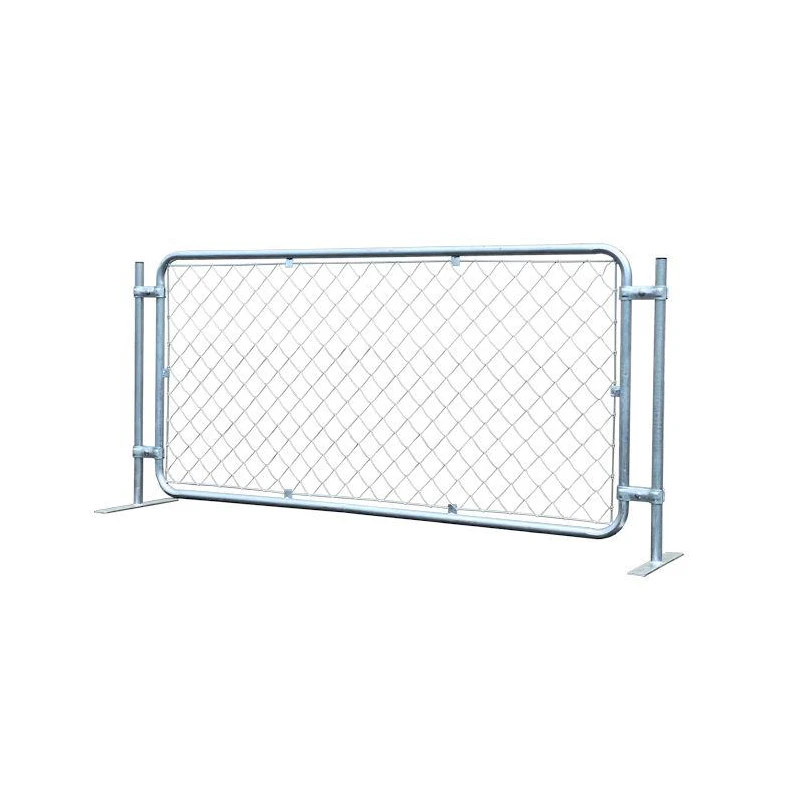
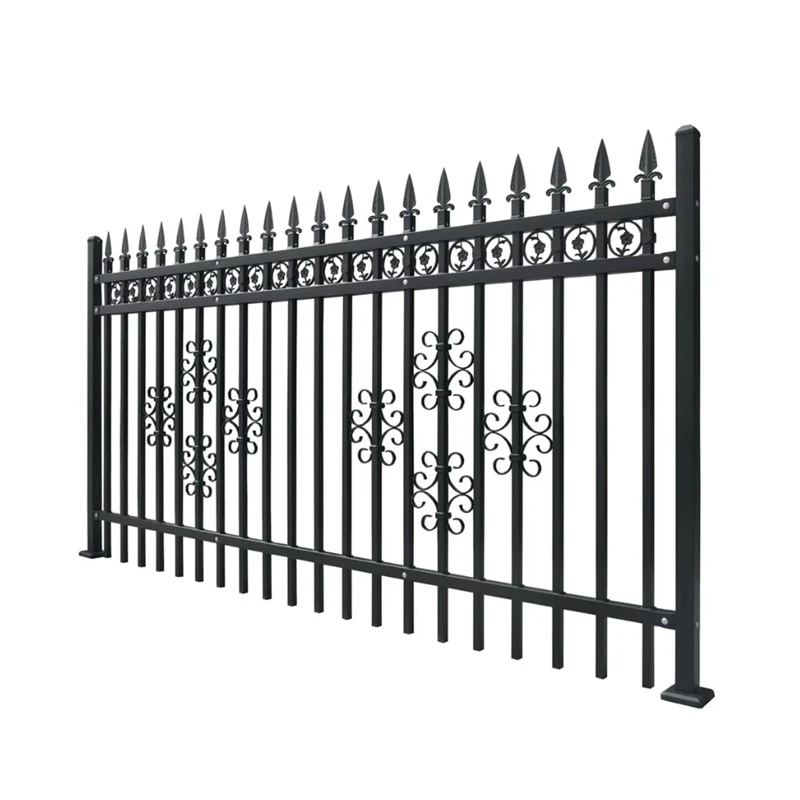
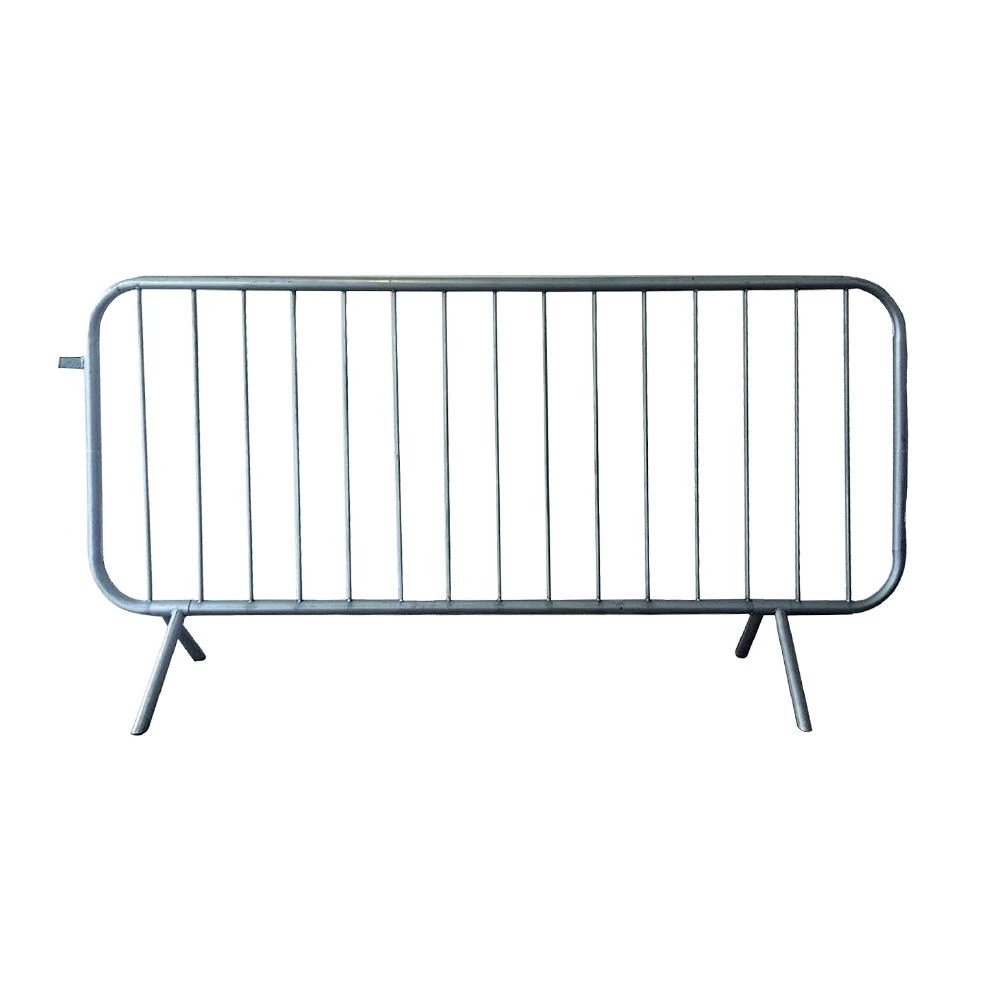
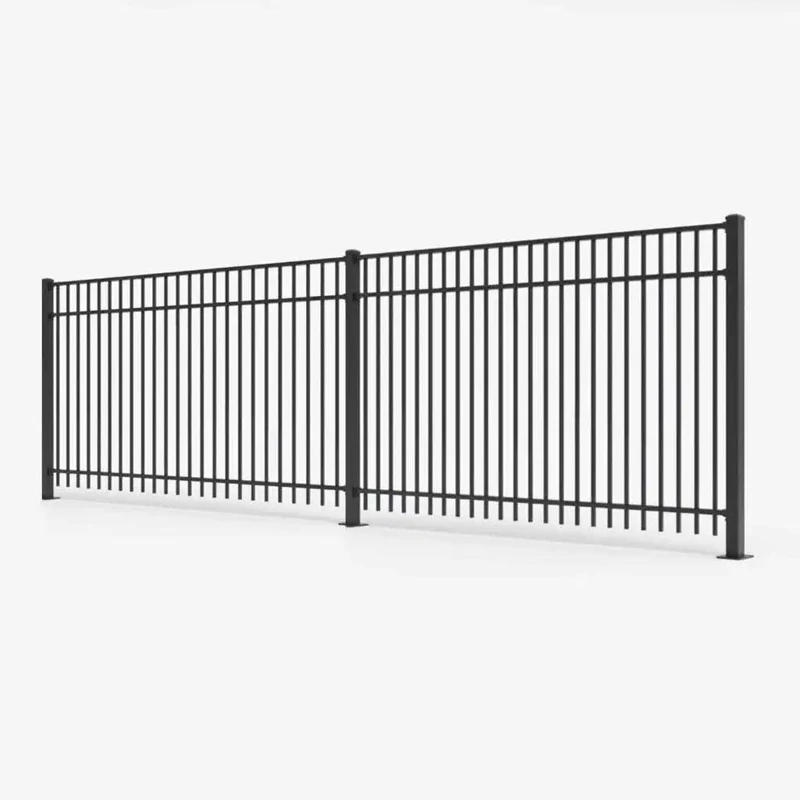
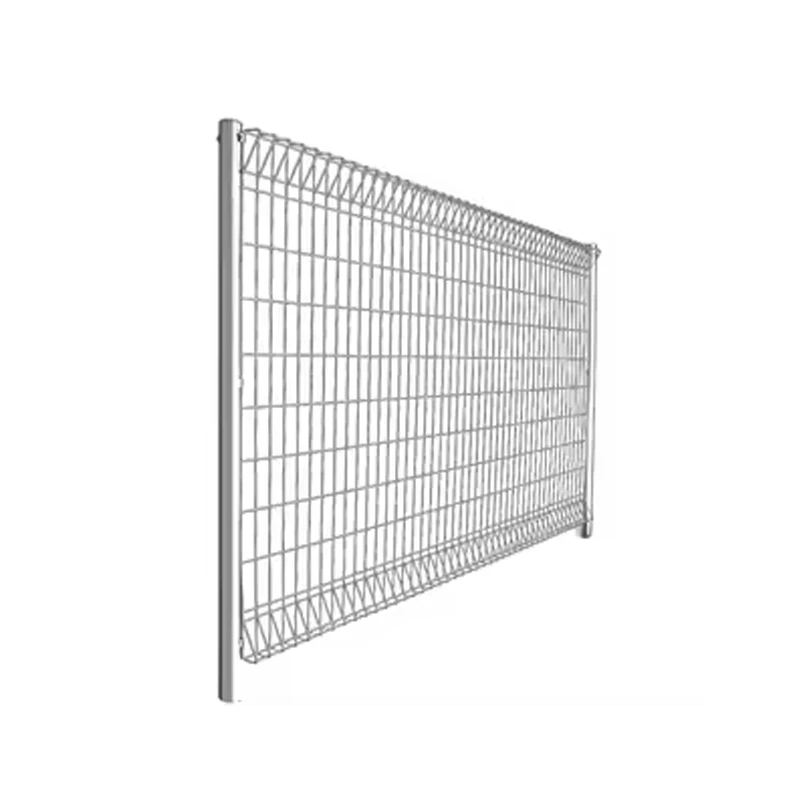
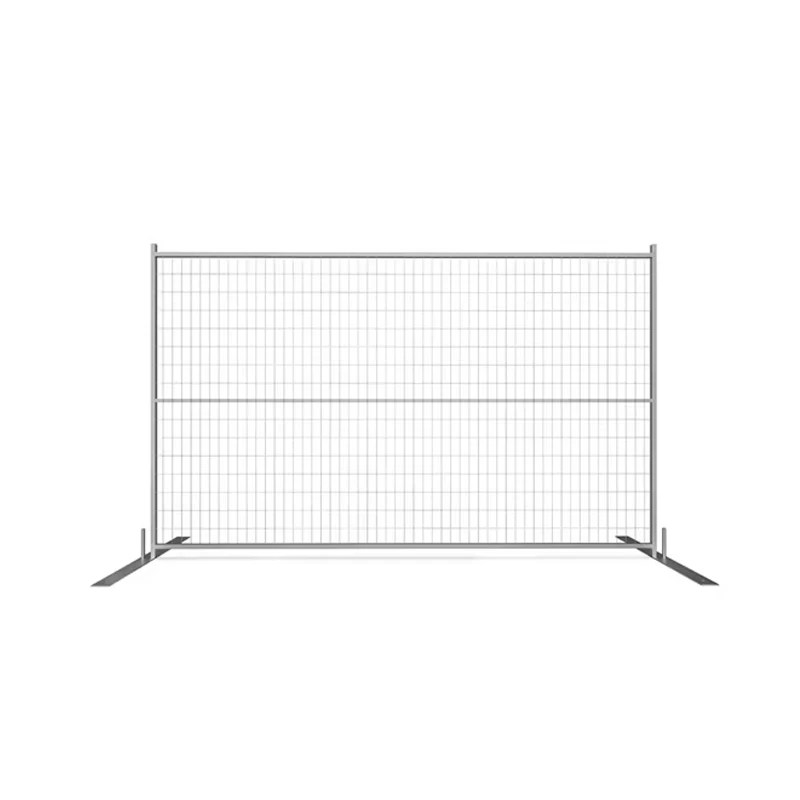
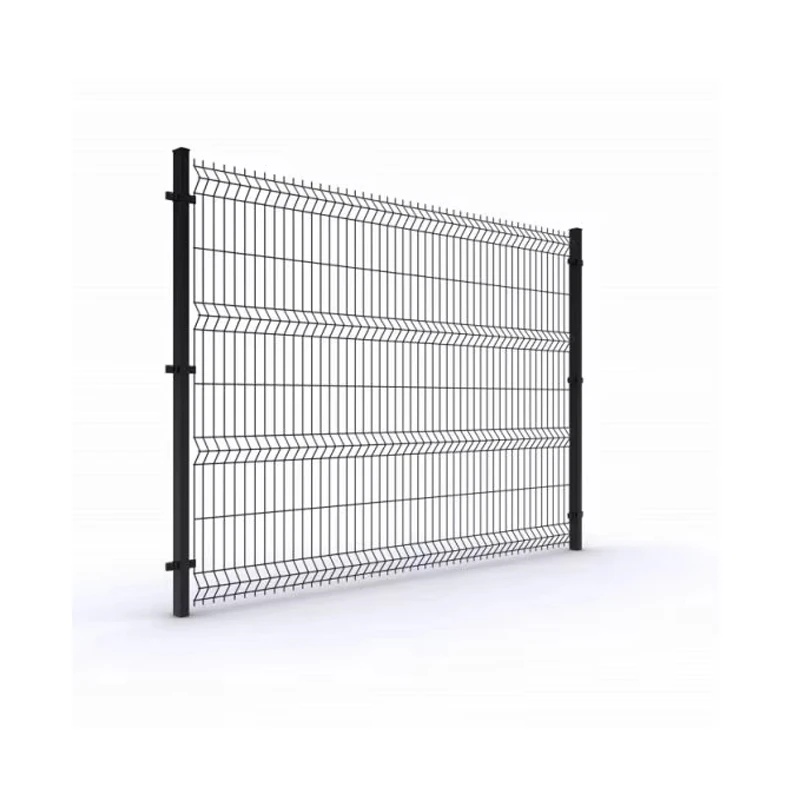
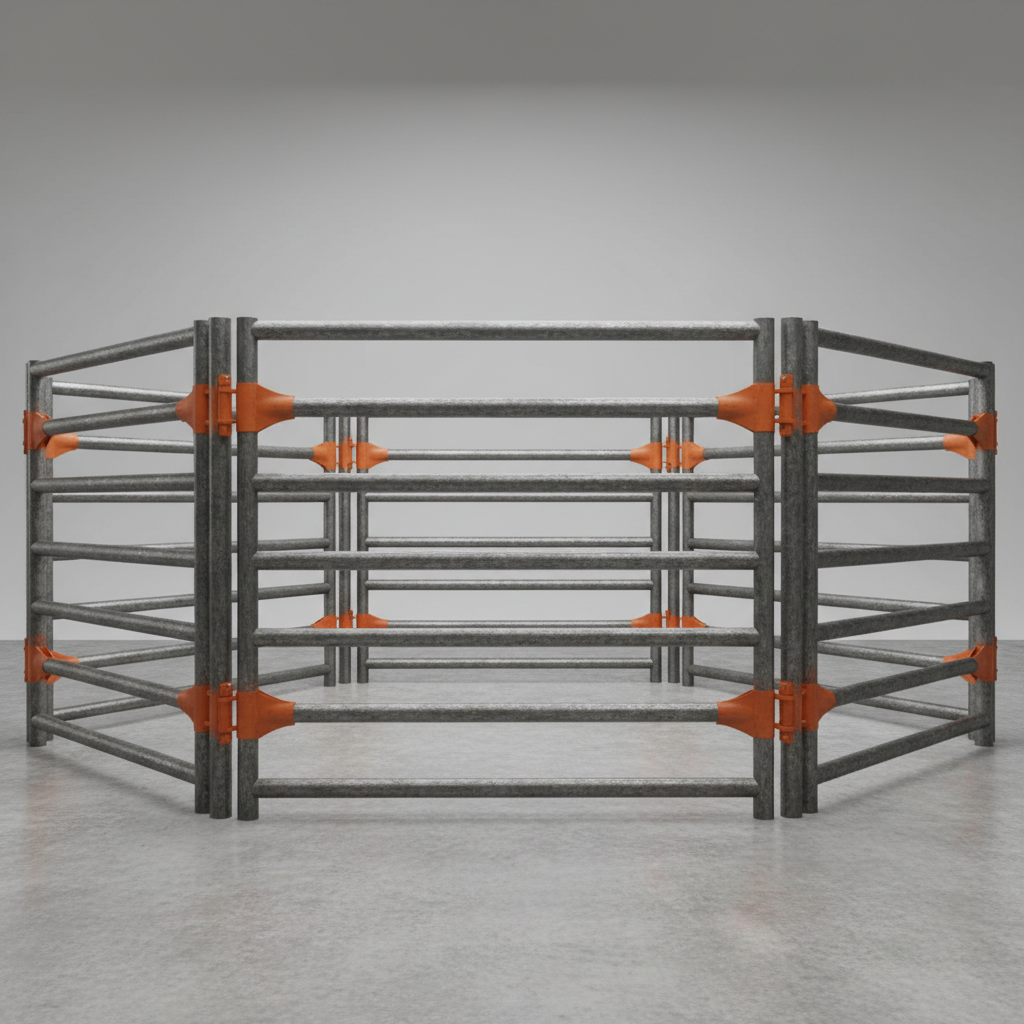
Not all fencing is created equal. Depending on the species of animal and the terrain, you may need different configurations. For instance, cattle require high-tensile strength to resist their weight, whereas sheep need smaller apertures to prevent them from squeezing through. Selecting the right livestock fencing panels involves analyzing the pressure load and the environmental factors of your specific location. The following table provides a clear comparison to help you make an informed decision.
Key Material Specifications for Livestock Fencing Panels
When sourcing materials from a professional supplier, understanding the technical specifications is key to ensuring you don't overspend or underspecify. The most effective livestock fencing panels are typically made from hot-dipped galvanized steel. This process ensures a thick layer of zinc protects the steel from oxidation. Furthermore, the gauge of the wire—referring to its thickness—plays a vital role in the panel's ability to resist impact and tension over time.
Installation Strategies for Long-Term Stability
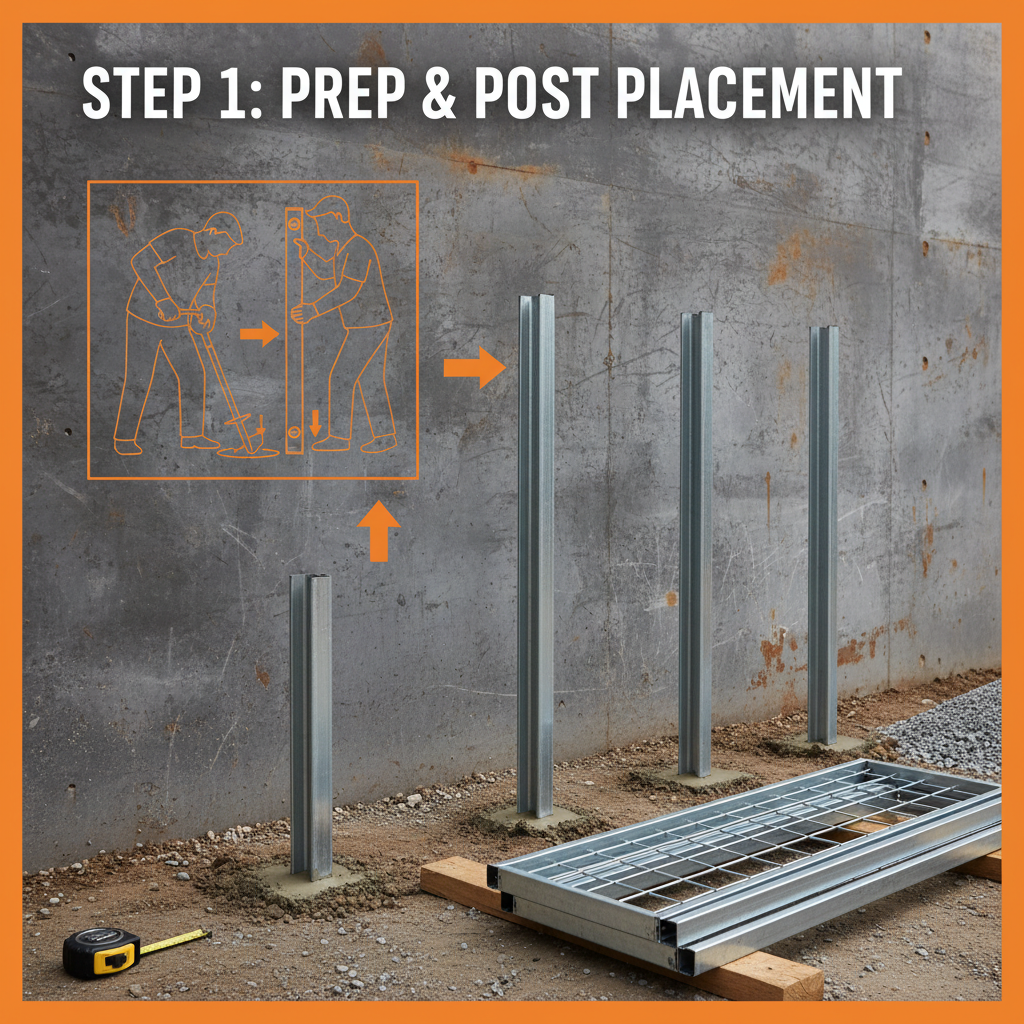
Even the strongest livestock fencing panels will fail if the installation is poor. The key to longevity lies in the corner posts and tensioning. Corner posts must be deeply anchored and braced to withstand the constant pull of the fence line. Furthermore, using high-quality tensioners ensures that the panels remain taut, preventing livestock from pushing under the fence. Regular inspections are recommended to identify loose wires or compromised posts before they lead to a total breach of the perimeter.
Environmental Factors Influencing Fence Choice
Geography plays a massive role in how your fencing performs. In areas with high soil acidity or salt air, standard galvanized coatings may not be enough, and PVC-coated livestock fencing panels might be necessary. Additionally, the topography of your land—whether it is flat prairie or rugged hillside—will dictate the spacing of your posts. On slopes, panels must be installed following the contour of the land to avoid creating gaps at the bottom, which are prime exit points for smaller livestock.
Cost-Benefit Analysis: Cheap vs. Premium Fencing
It is tempting to opt for lower-cost fencing options, but the long-term cost of ownership often tells a different story. Cheap panels typically use thin galvanization and lower-grade steel, leading to rust within a few years and frequent sagging. In contrast, investing in premium livestock fencing panels reduces the frequency of repairs and prevents the catastrophic loss of livestock. When you calculate the cost of labor for repeated repairs and the potential loss of high-value animals, premium fencing proves to be the more economical choice.
Conclusion: Securing Your Investment with Quality Fencing
The security of your livestock is a direct reflection of the quality of your boundaries. By choosing high-grade livestock fencing panels, you ensure a safe environment for your animals and peace of mind for your operations. From selecting the right material specifications to implementing a professional installation strategy, every detail counts. Invest in durability, prioritize animal welfare, and build a fence that stands the test of time and nature.
Frequently Asked Questions (FAQs)
How do I choose the right height for livestock fencing panels?
The ideal height depends entirely on the animal species and their behavior. For sheep and goats, a height of 3 to 4 feet is generally sufficient. However, for cattle, you typically need 4.5 to 5.5 feet to prevent them from leaping over or pushing through. It is also important to consider the "jump risk"—some breeds are more agile than others. We recommend checking local agricultural standards or consulting with a specialist at Syswwiremesh to determine the specific height requirements for your herd.
What is the difference between woven wire and welded mesh?
Woven wire is created by interlacing wires, which gives the fence a bit of "give" or flexibility, making it excellent for uneven terrain and resisting the impact of larger animals. Welded mesh is created by welding wires together at every intersection, resulting in a rigid, square grid. Welded mesh is generally better for smaller animals (like pigs) because the openings are more consistent and cannot be easily stretched, but it is more prone to snapping under extreme pressure compared to woven wire.
How often should I inspect my livestock fencing panels?
We recommend a full perimeter inspection at least twice a year—once before the spring grazing season and once before winter. However, high-traffic areas, such as gates and water troughs, should be checked monthly. Look for signs of rust, loose tension, or leaning posts. Early detection of a loose wire can prevent a mass breakout of livestock, saving you significant time and money in emergency containment and animal recovery.
Can I use livestock fencing panels for perimeter security of a facility?
Yes, many of the materials used in agricultural fencing, such as high-tensile welded mesh, are excellent for industrial perimeter security. Their durability and visibility make them a great choice for bordering warehouses or storage yards. However, for security purposes, you may want to consider adding top rails or barbed wire to the upper section of the panels to deter human intruders. For high-security specifications, please visit Syswwiremesh to view our industrial-grade options.