Choosing the Right Galvanized Cattle Fence for Livestock Protection and Longevity
Choosing the Right Galvanized Cattle Fence for Your Livestock
Protecting your livestock with a reliable and durable fence is paramount for any farm or ranch. A galvanized cattle fence offers a robust and cost-effective solution to contain animals and define property boundaries. This article will provide a comprehensive guide to understanding galvanized cattle fences, their benefits, types, installation, and maintenance, helping you make the best choice for your needs. Investing in the right fence translates directly to the safety and well-being of your valuable livestock and the longevity of your operation.
Understanding Galvanized Cattle Fence: Why It Matters
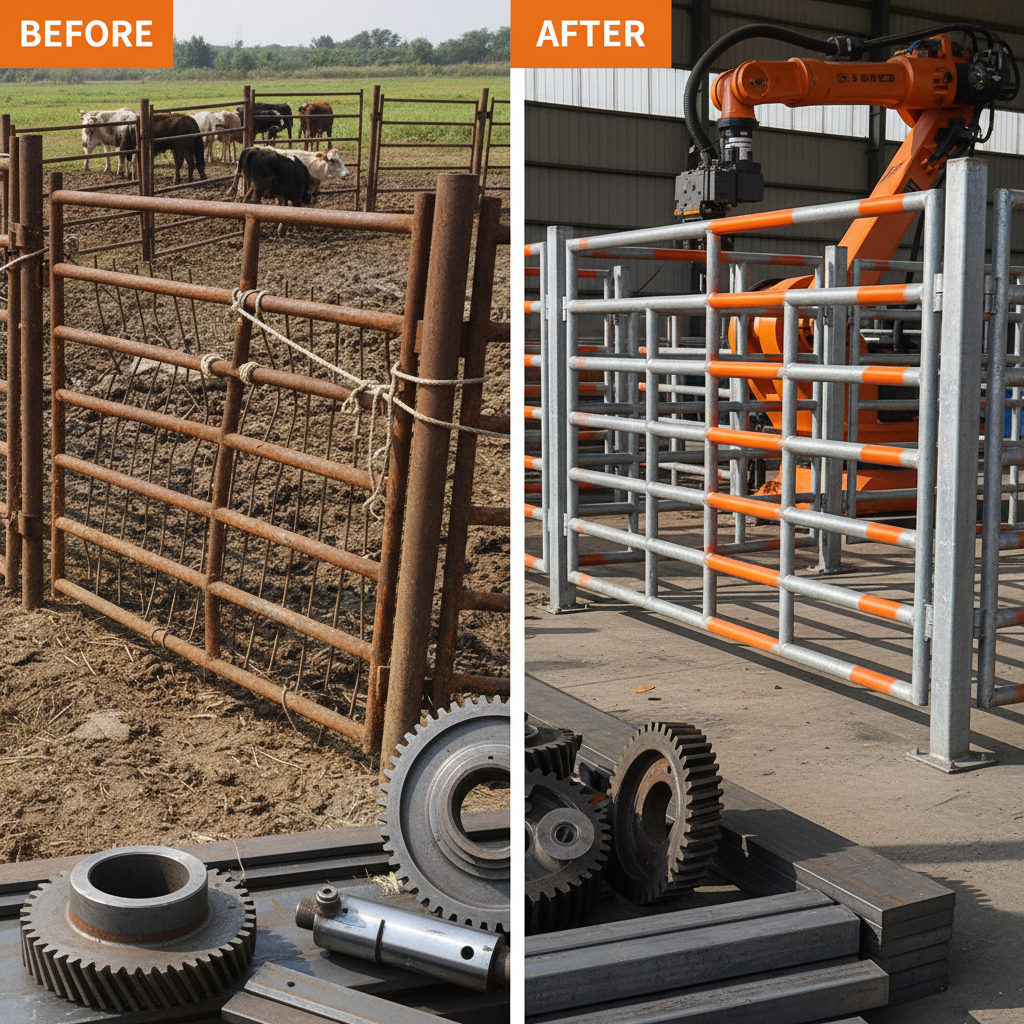
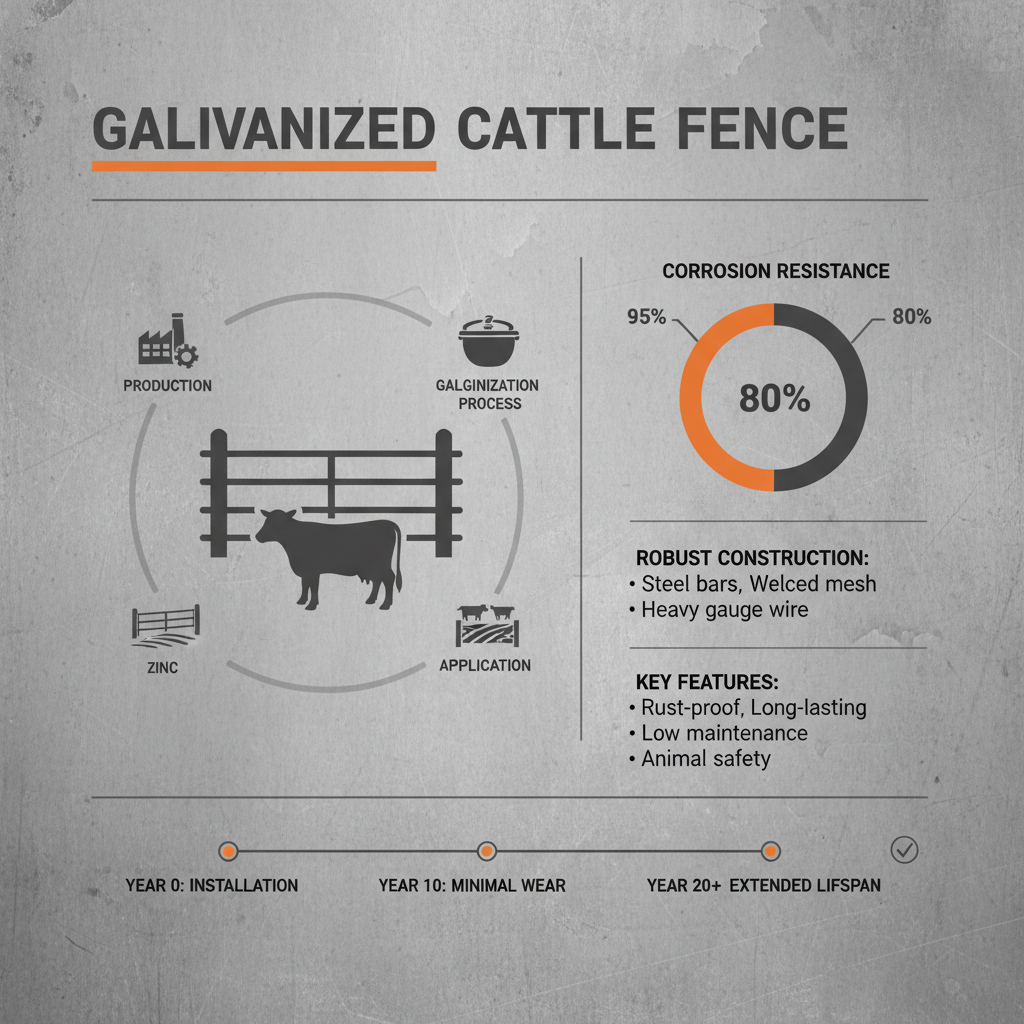
Galvanization is the process of applying a protective zinc coating to steel or iron, preventing rust and corrosion. This is especially crucial in agricultural settings where fences are exposed to harsh weather conditions, moisture, and animal contact. Galvanized cattle fences are significantly more durable than non-galvanized options, requiring less frequent repairs and replacements. This translates to long-term cost savings and reduced maintenance efforts. The zinc coating acts as a sacrificial anode, corroding before the underlying steel, extending the lifespan of the fence significantly.
Key Benefit: Enhanced durability and reduced maintenance due to rust and corrosion protection.
Types of Galvanized Cattle Fence
Several types of galvanized cattle fence are available, each suited for different livestock and terrain. The most common include:
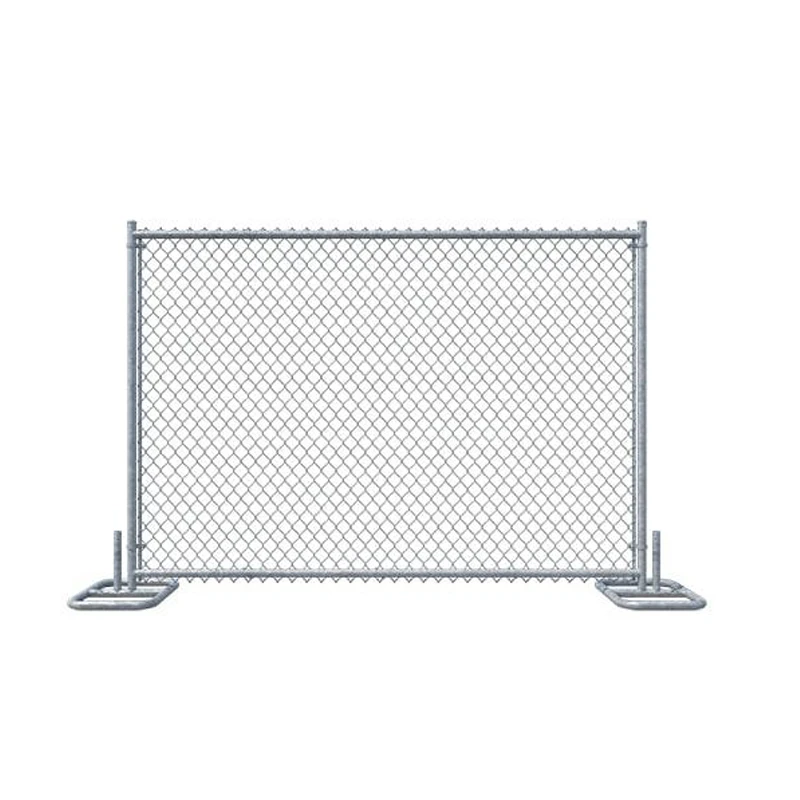
- Woven Wire Fence: A versatile option consisting of horizontal and vertical wires woven together, creating a strong barrier.
- Barbed Wire Fence: Features strands of wire with sharp barbs spaced along the length, deterring livestock from crossing.
- Electric Fence: Uses electrified wires to deliver a harmless shock, discouraging animals from touching the fence. Often used in conjunction with other fence types.
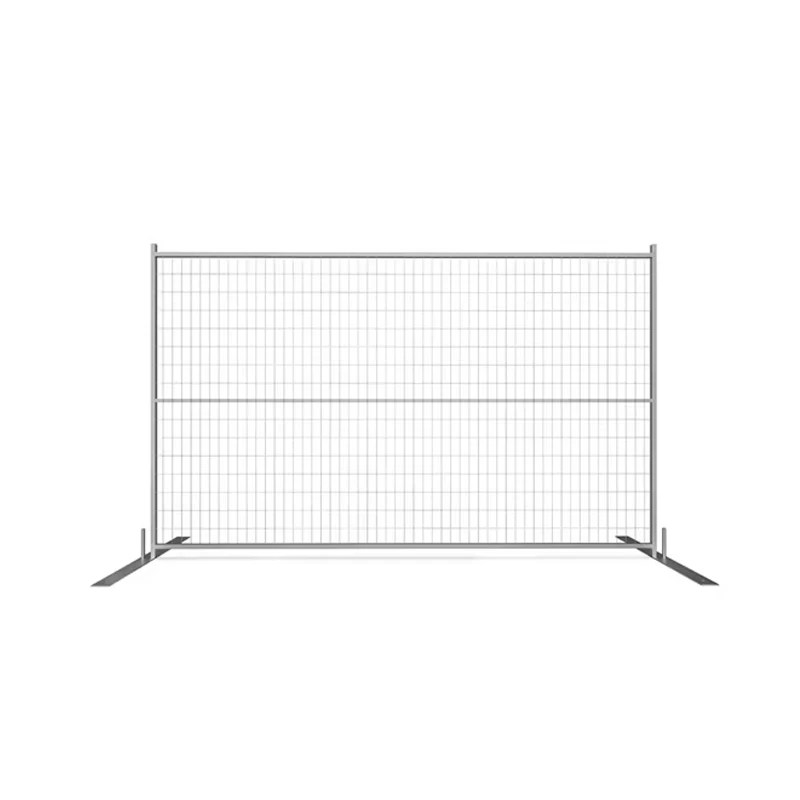
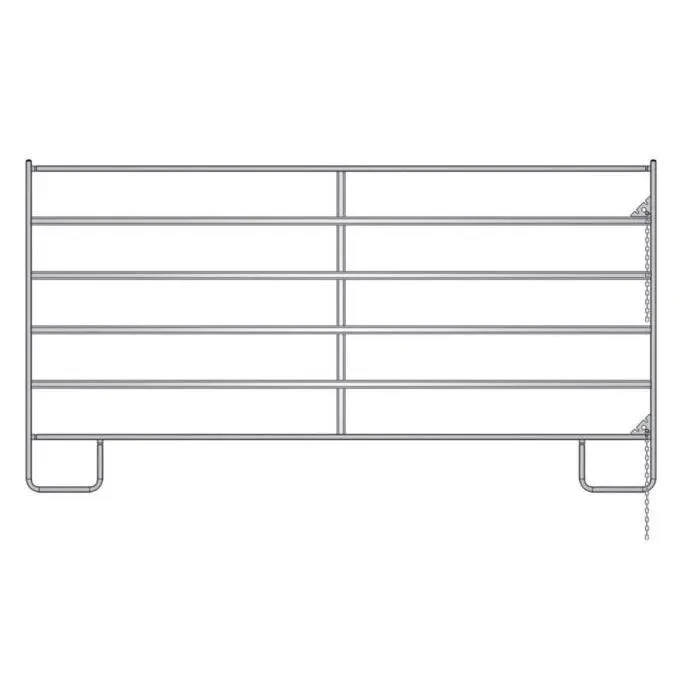
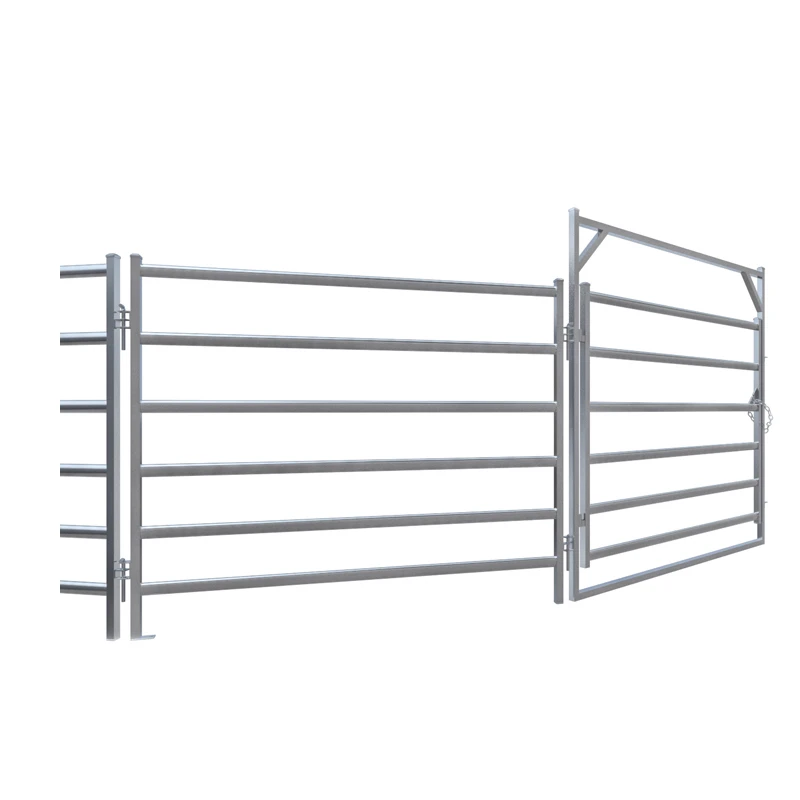
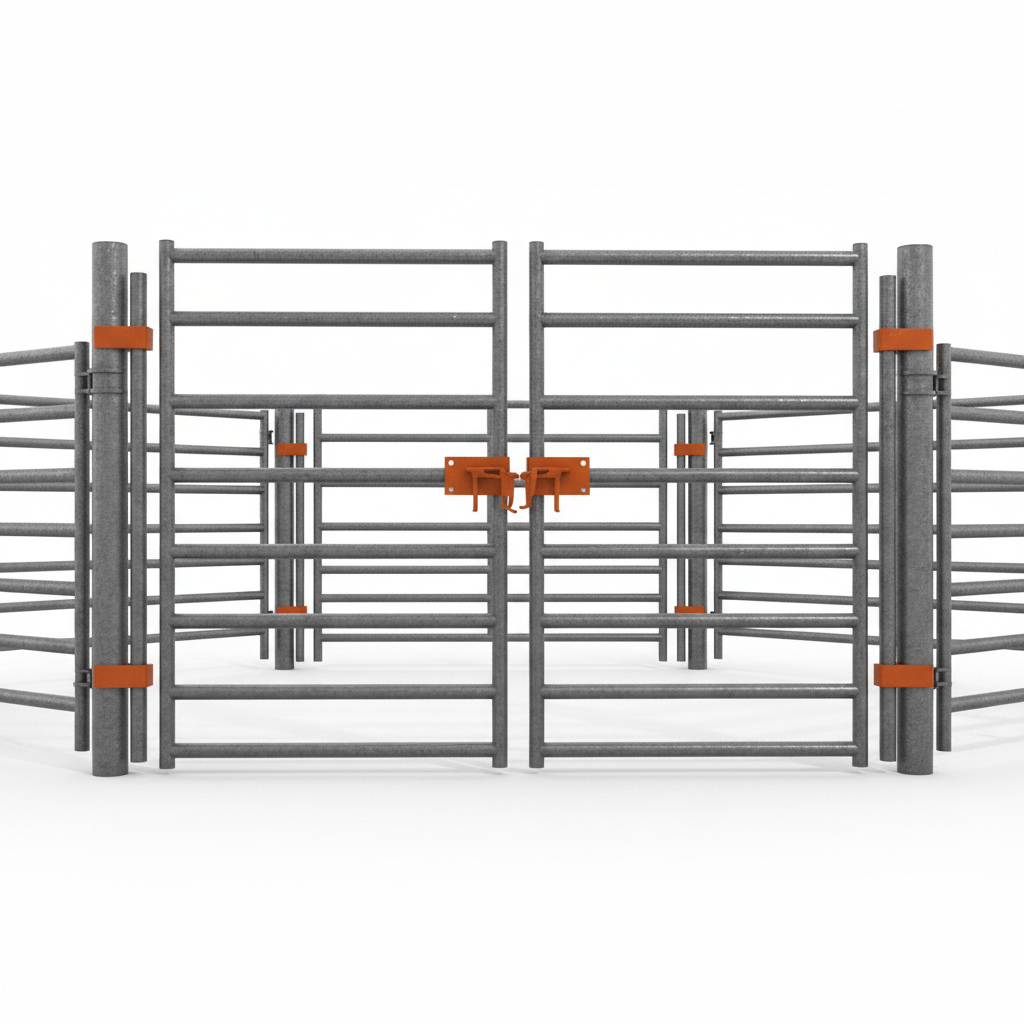
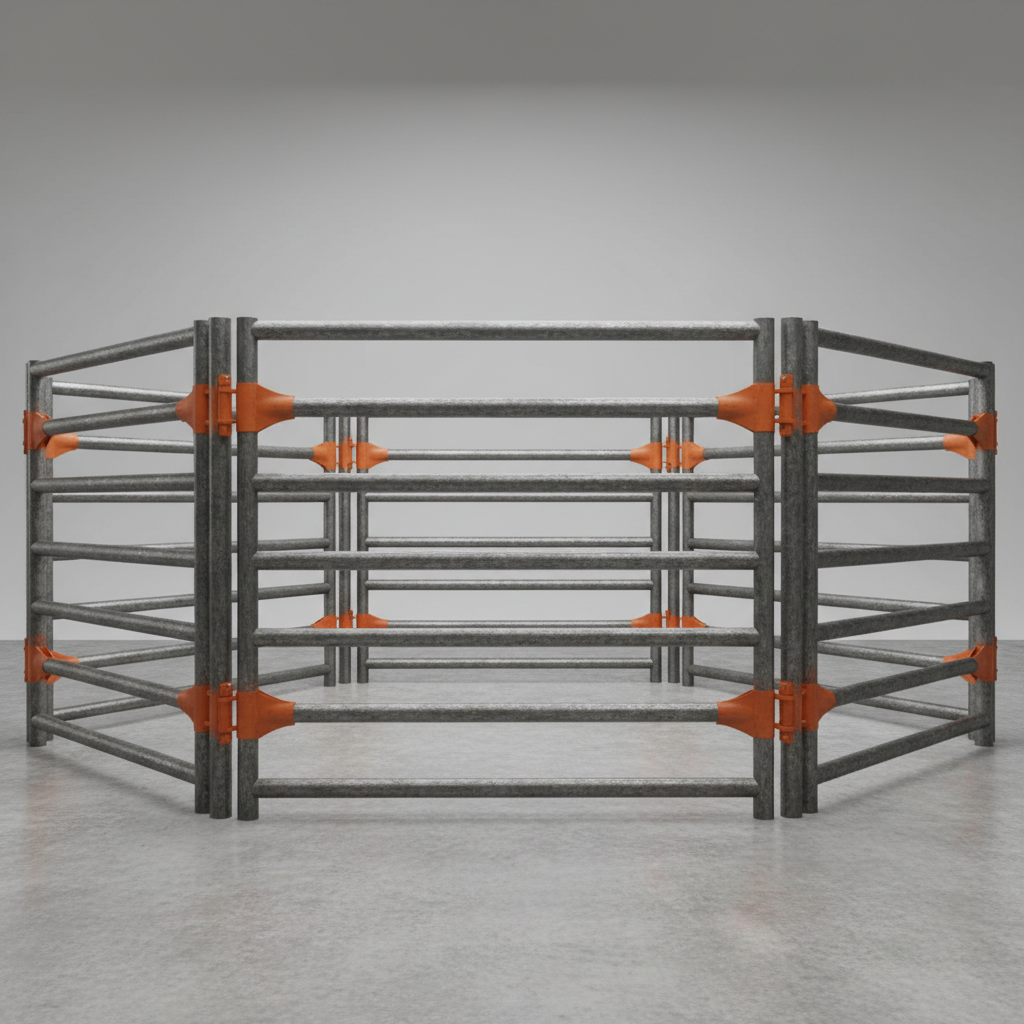
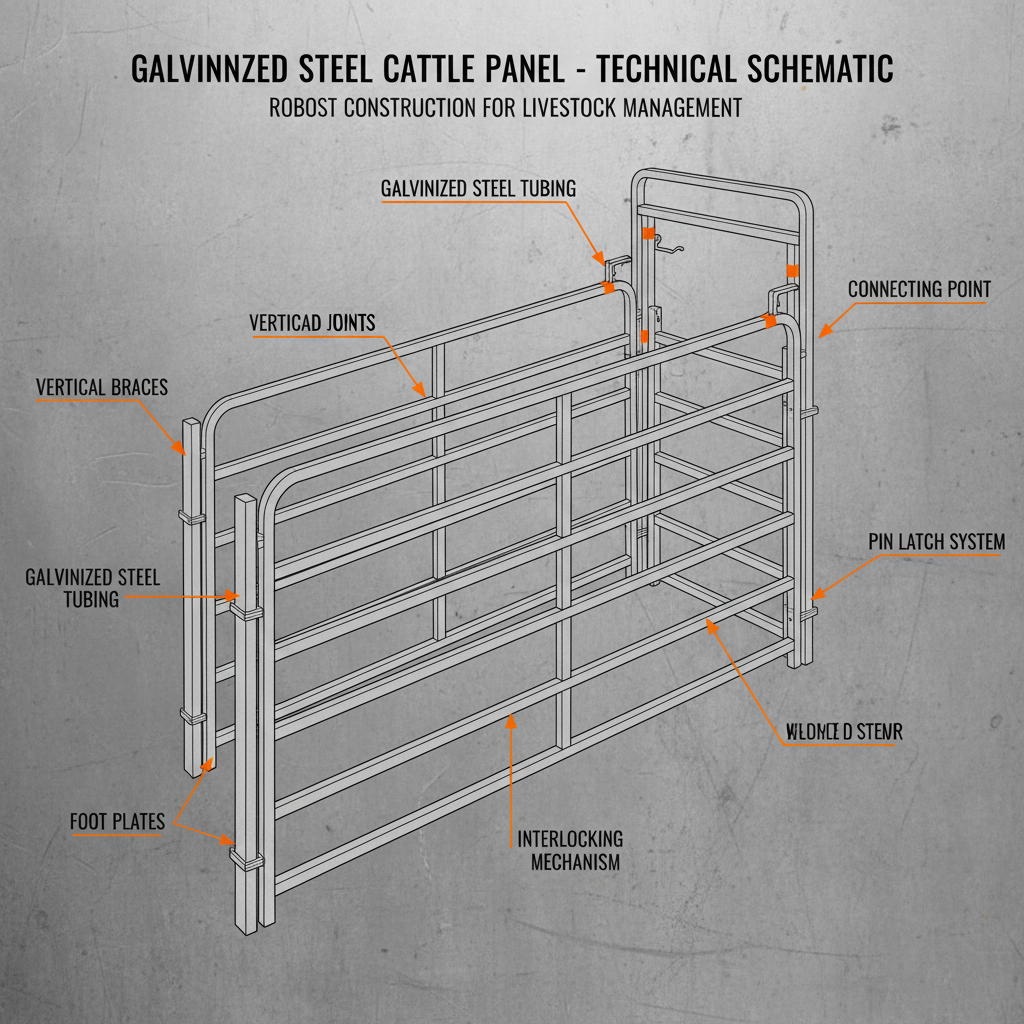
- Hog Panel/Cattle Panel: Constructed from heavy-duty welded wire, these panels are very strong and suitable for containing larger, more aggressive animals.
Fence Type Comparison:
• Woven Wire: Versatile, good for various livestock.
• Barbed Wire: Cost-effective, effective deterrent.
• Electric: Reinforces other fences, minimal physical barrier.
• Hog/Cattle Panel: Extremely strong, suitable for aggressive livestock.
Galvanized Cattle Fence: Comparing Wire Gauge & Coating Thickness
When selecting a galvanized cattle fence, understanding wire gauge and coating thickness is crucial. Wire gauge refers to the thickness of the wire; a lower gauge number indicates a thicker, stronger wire. Coating thickness, measured in ounces of zinc per square foot, determines the level of corrosion protection. Higher coating thicknesses provide greater longevity, especially in harsh environments. Here's a comparative table:
Installation Best Practices
Proper installation is critical for ensuring the effectiveness of your galvanized cattle fence. Consider these factors:
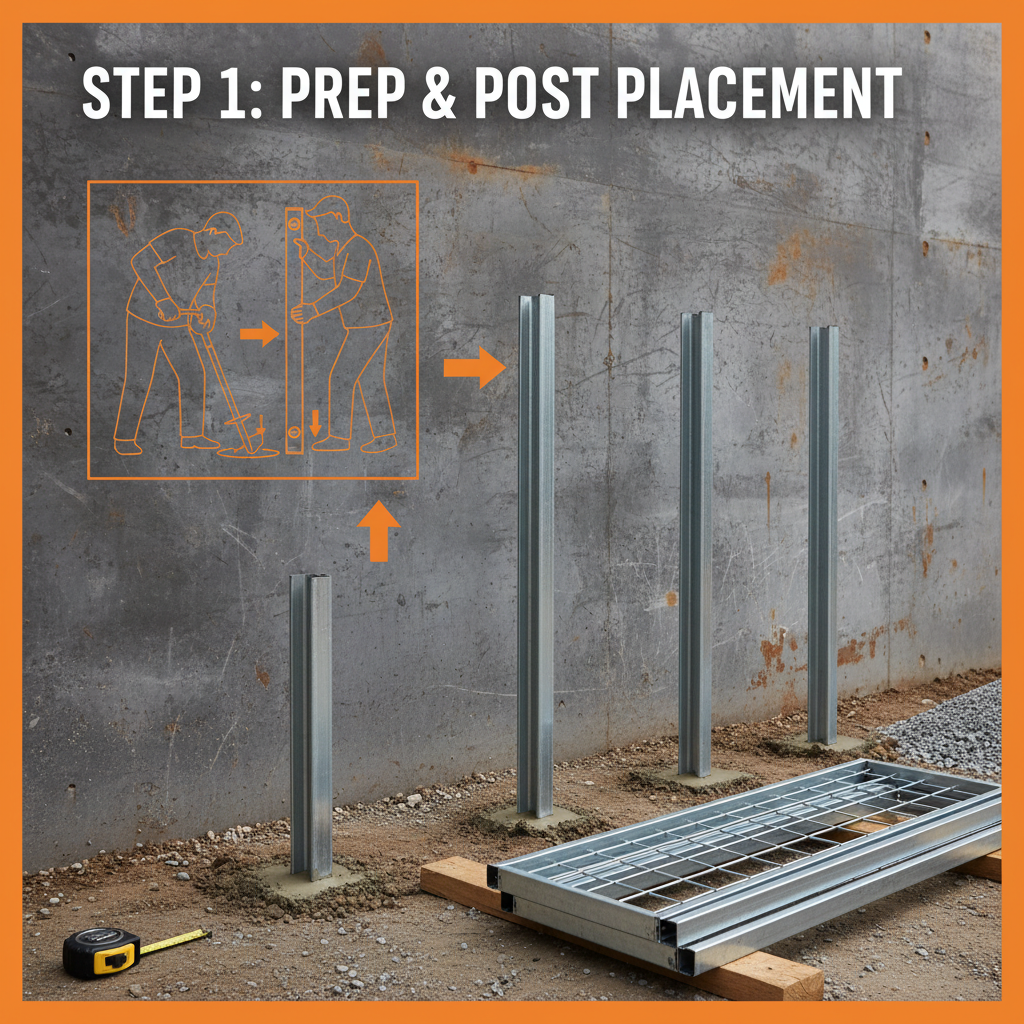
- Post Spacing: Typically 8-12 feet apart, depending on terrain and livestock.
- Post Depth: At least 2-3 feet deep for stability.
- Corner Posts: Use larger, more robust corner posts and bracing for added strength.
- Tensioning: Maintain proper tension on the wire to prevent sagging and ensure effectiveness.
Maintenance for Longevity
Regular maintenance will extend the life of your fence. Inspect the fence periodically for broken wires, loose posts, and corrosion. Repair any damage promptly. Clear vegetation growth around the fence line to prevent interference. Applying a protective coating to cut ends of wire can prevent rust. By proactively maintaining your fence, you can avoid costly repairs and ensure the continued safety of your livestock.
Conclusion: Investing in a Reliable Cattle Fence
A well-chosen and maintained galvanized cattle fence is a vital investment for any livestock operation. By understanding the different types, considering wire gauge and coating thickness, and following best practices for installation and maintenance, you can ensure the safety of your animals and the longevity of your property. Don’t compromise on quality – choose a galvanized cattle fence that will stand the test of time.
Frequently Asked Questions (FAQs)
What is the best height for a cattle fence?
The ideal height for a cattle fence depends on the breed and size of your livestock. Generally, a fence height of 4-5 feet is sufficient for most cattle breeds. However, for larger breeds or particularly agile animals, a 6-foot fence may be necessary. Consider the terrain as well; steeper slopes may require taller fences to prevent animals from going over or under the barrier. Always check local regulations regarding fence height requirements.
How often should I inspect my cattle fence?
Regular inspection is key to maintaining a secure fence. Ideally, you should visually inspect your entire fence line at least twice a year – once in the spring after winter damage and again in the fall before winter weather sets in. Pay close attention to posts for stability, wires for breaks or sagging, and any signs of corrosion. Address any issues immediately to prevent escape or injury.
Can galvanized fence be used with an electric charger?
Yes, galvanized fence can absolutely be used with an electric charger. In fact, it’s a common practice to electrify the top wire of a galvanized fence to add an extra layer of deterrence. However, ensure the electric charger is properly grounded and that the wire is properly insulated to prevent short circuits. Regularly check the charger’s voltage to ensure it’s delivering an effective shock.