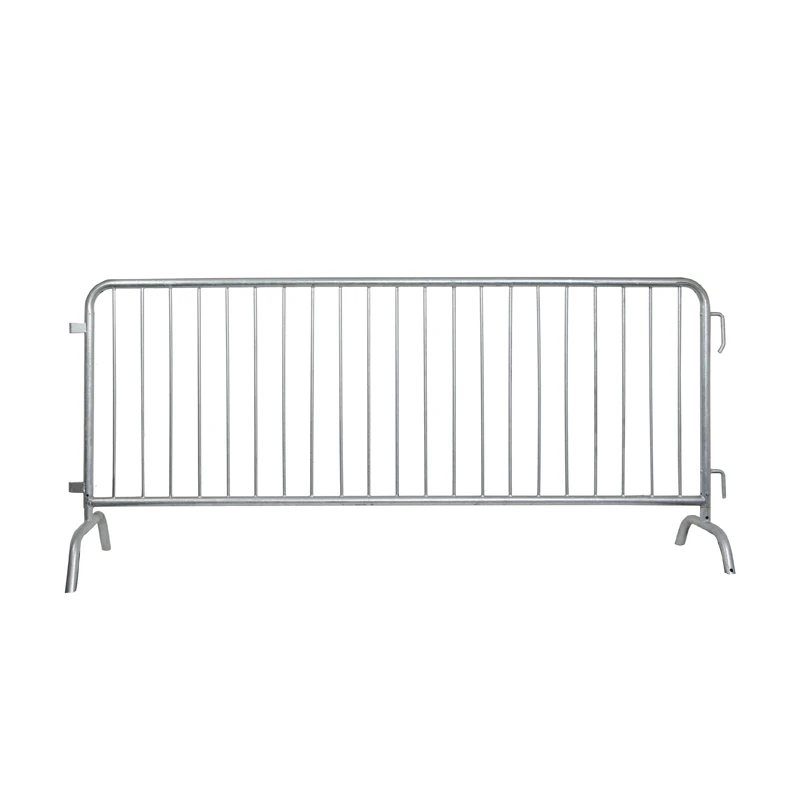
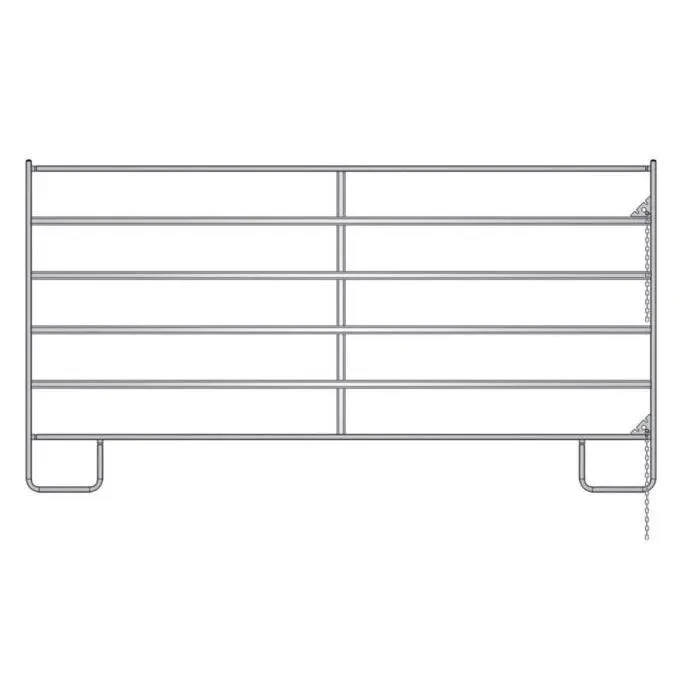
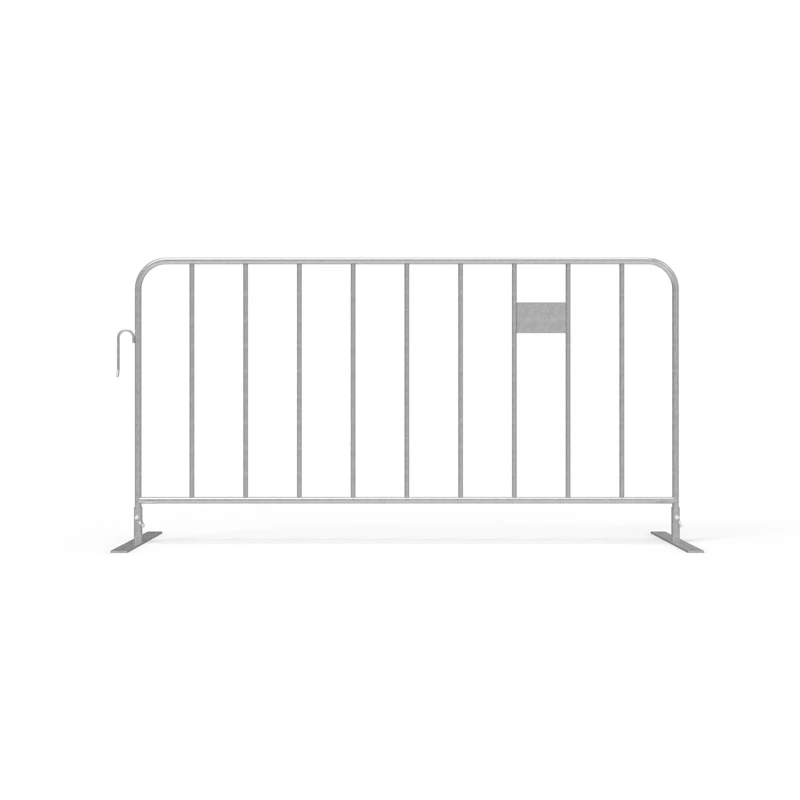
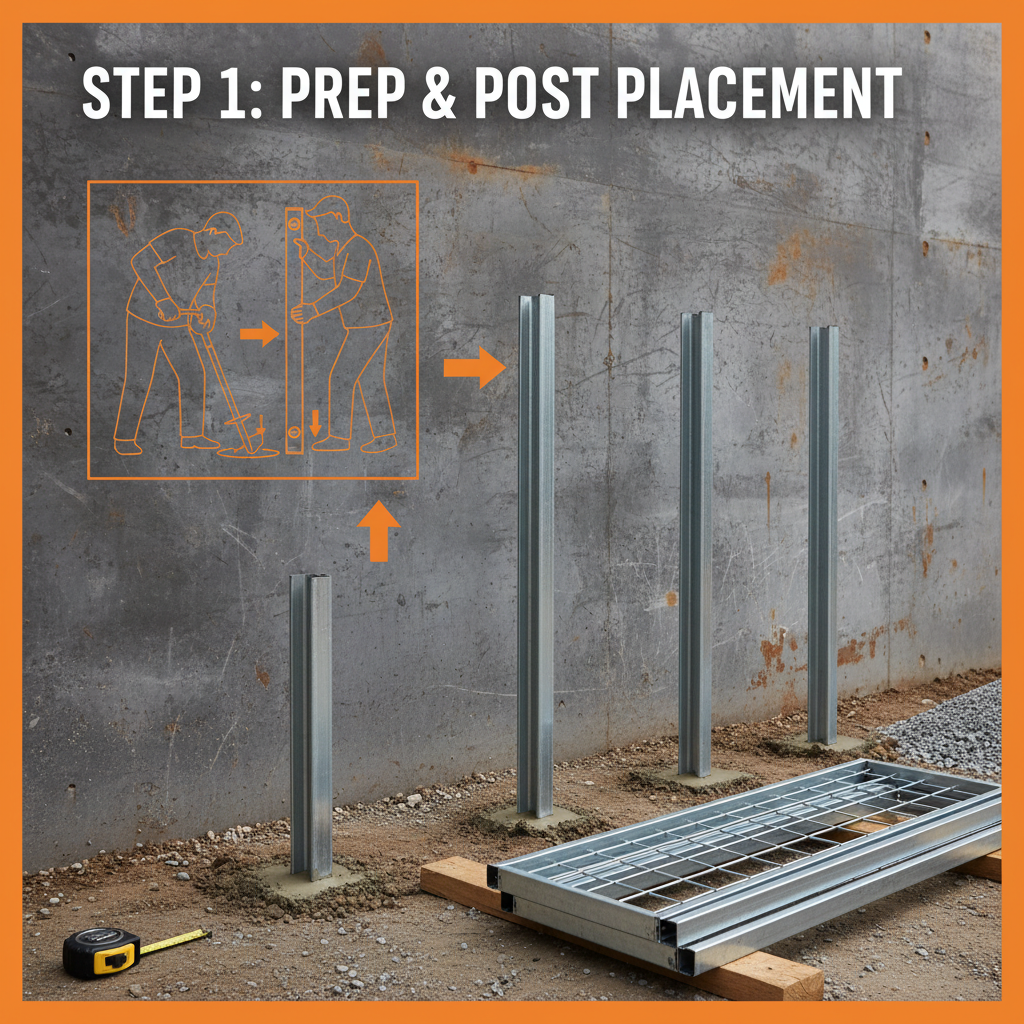
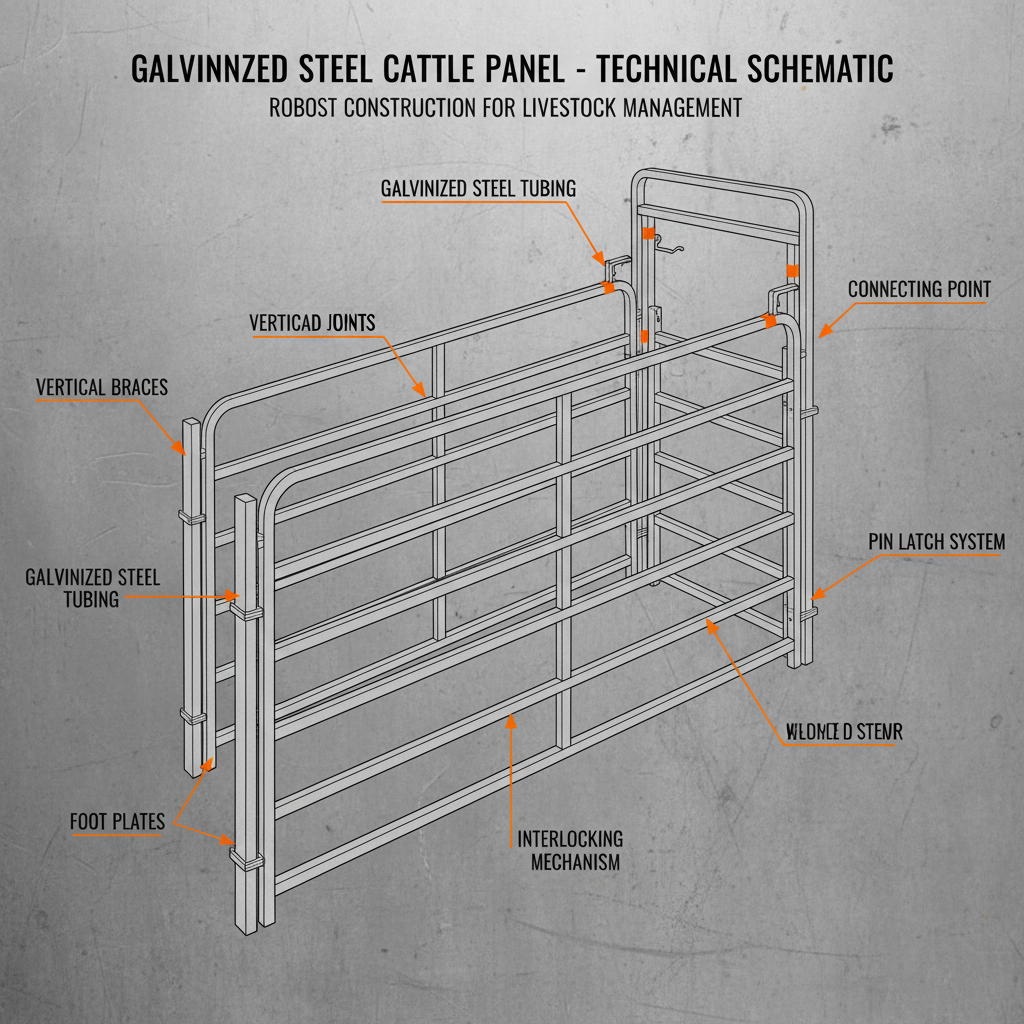
Understanding Cattle Panel Solutions for Modern Agriculture
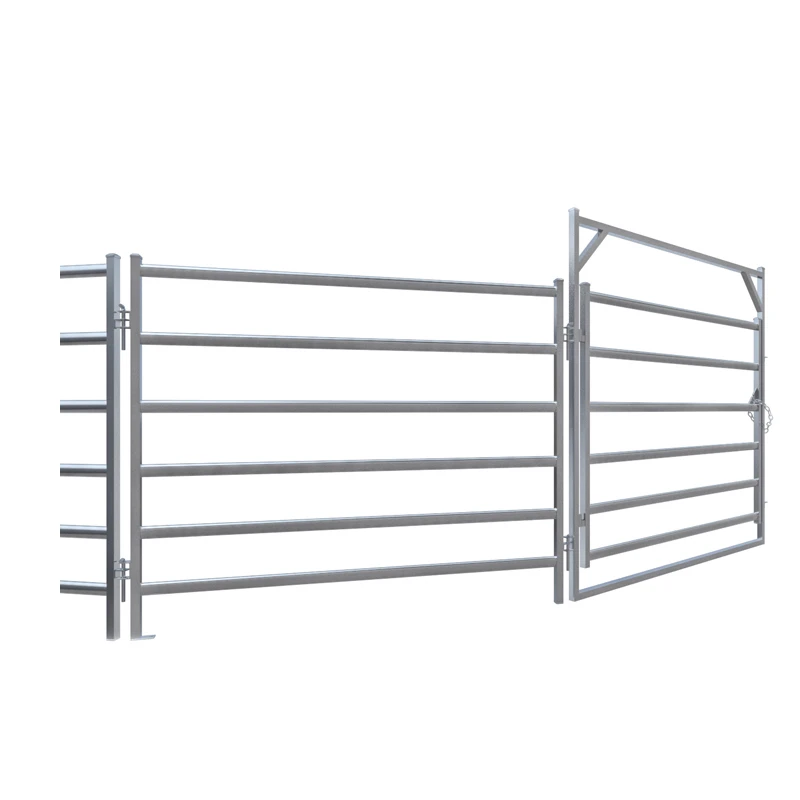
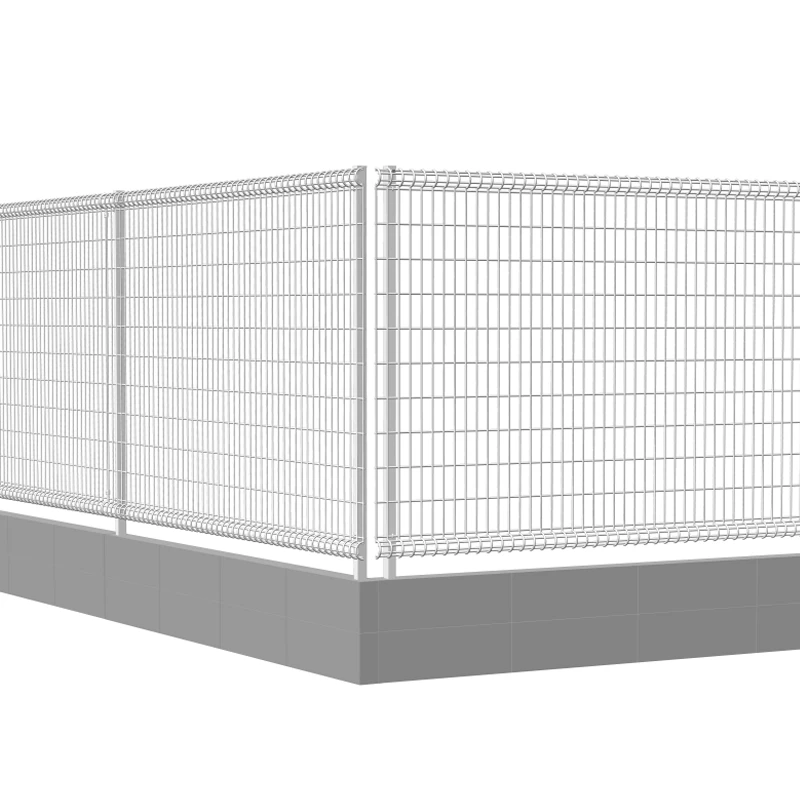
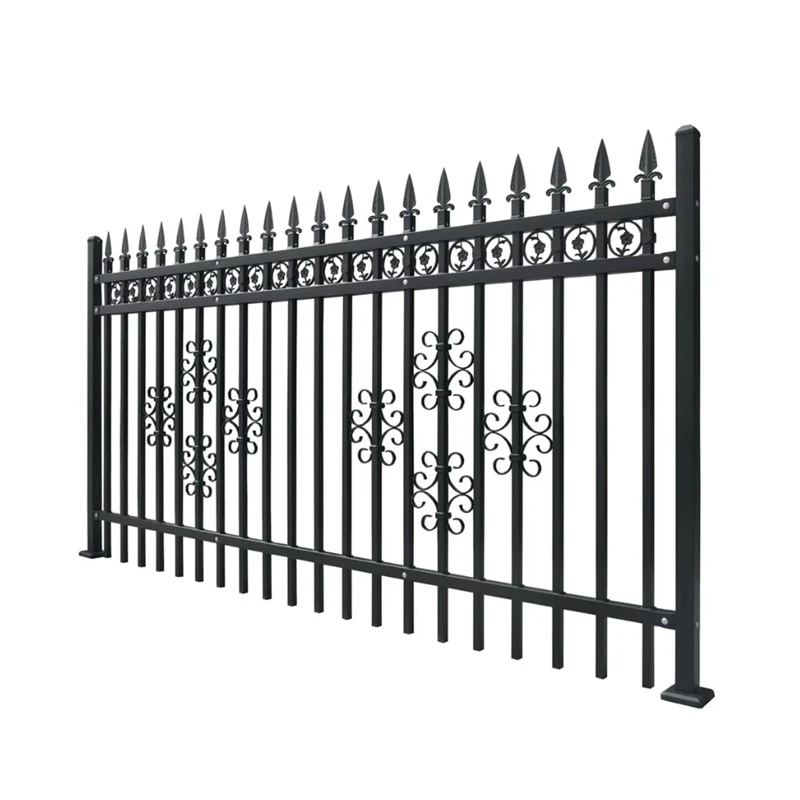
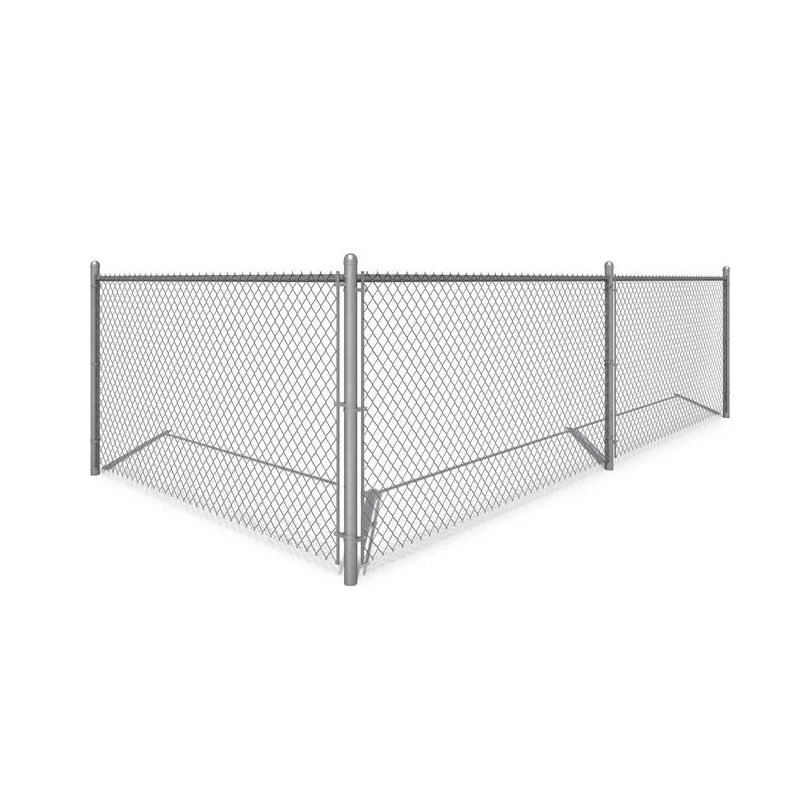
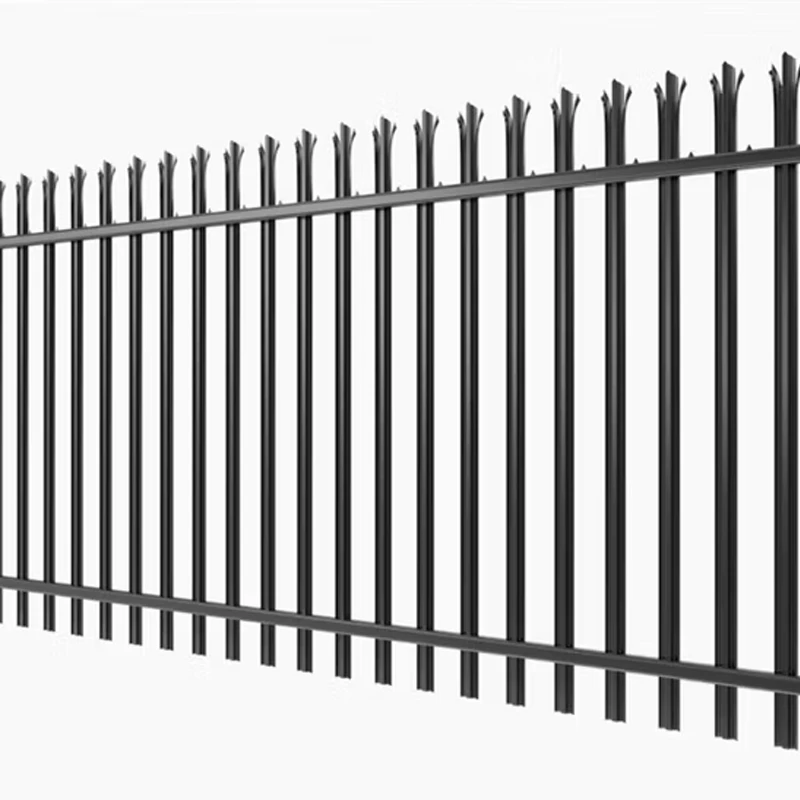
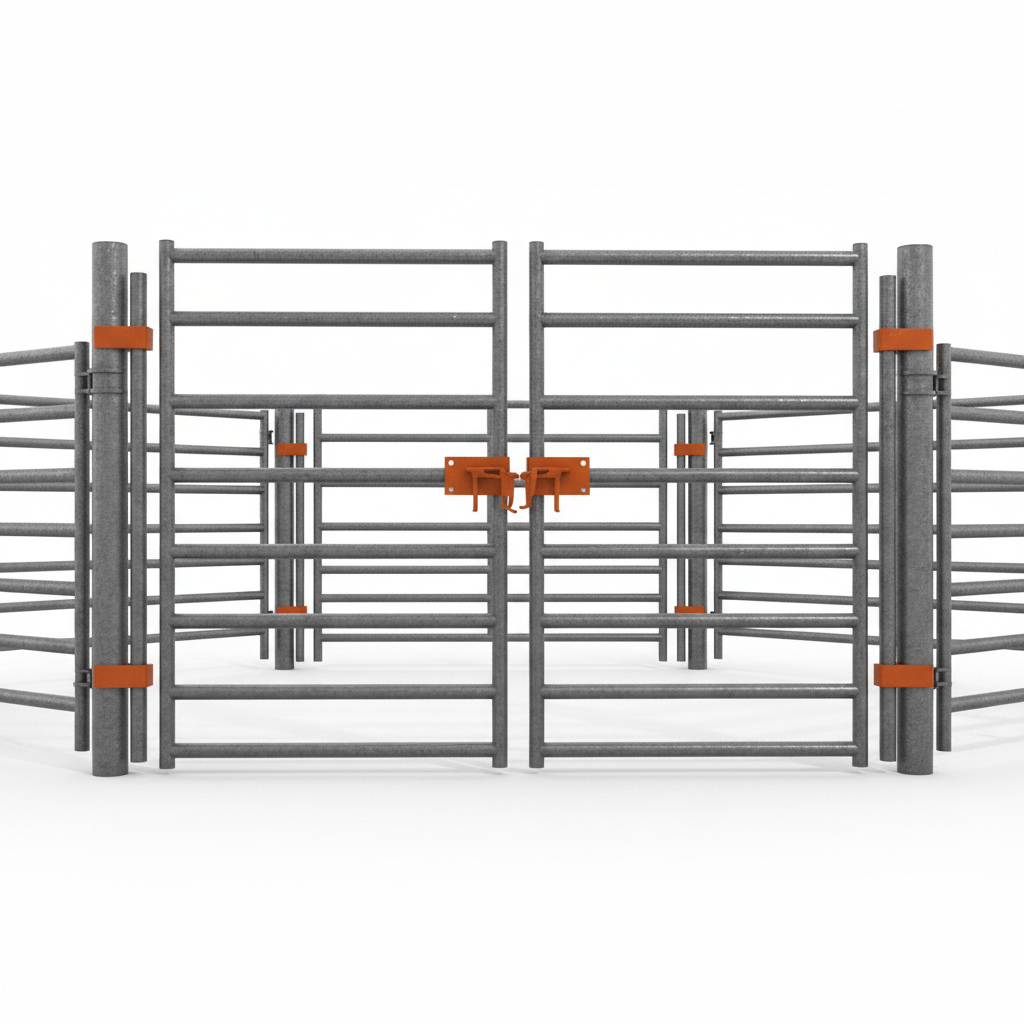
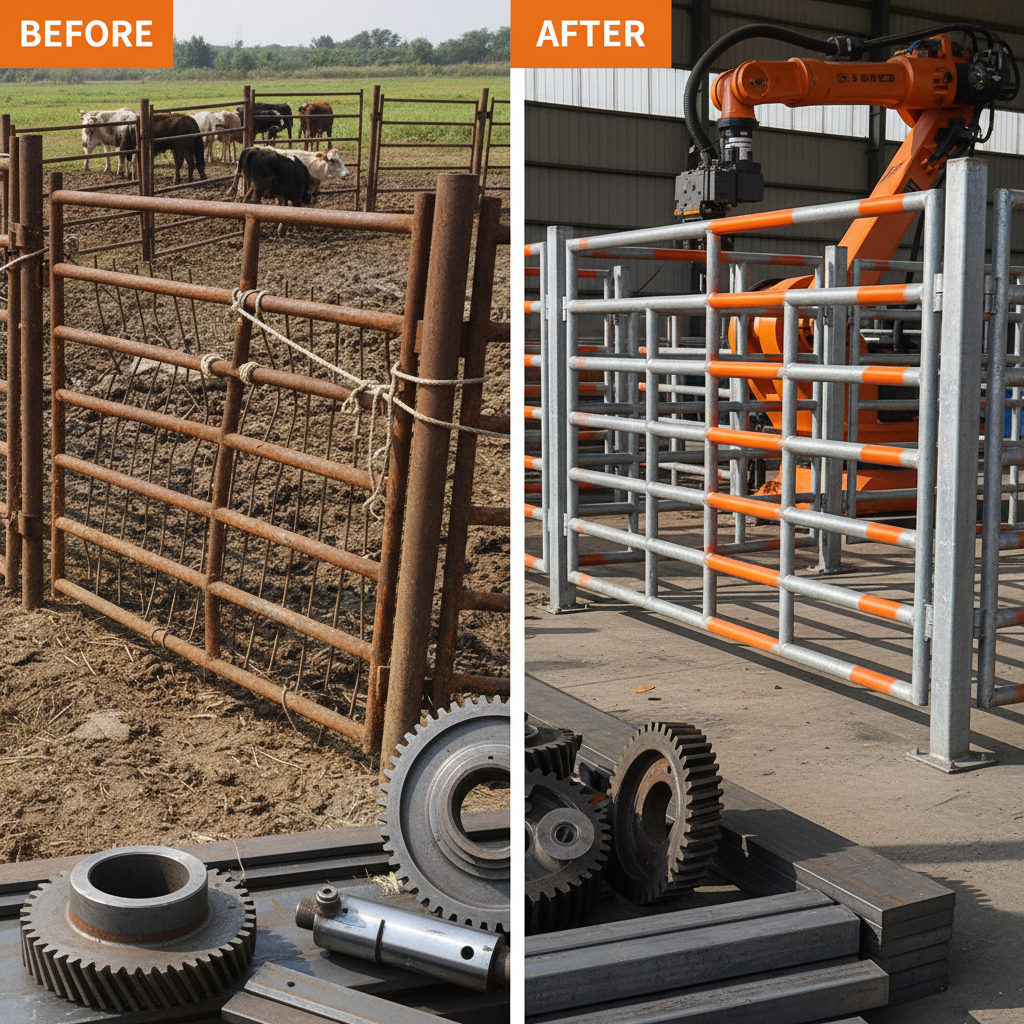
You know, I’ve been working around industrial wire mesh and agricultural fencing for… well, a long time now. And one thing that always strikes me is how much demand there is for reliable, robust solutions. It’s not glamorous work, but it’s essential. A good cattle panel isn’t just about keeping animals in (or out); it's about efficiency, safety, and frankly, peace of mind for the farmer. There's been a shift, too – fewer farms, bigger operations, meaning the panels really need to stand up to constant use. We’re seeing a lot more interest in galvanized steel, specifically, and heavier gauges are becoming standard, not just a premium option. It’s a response to the need for longevity.
Product Specifications and Design Considerations
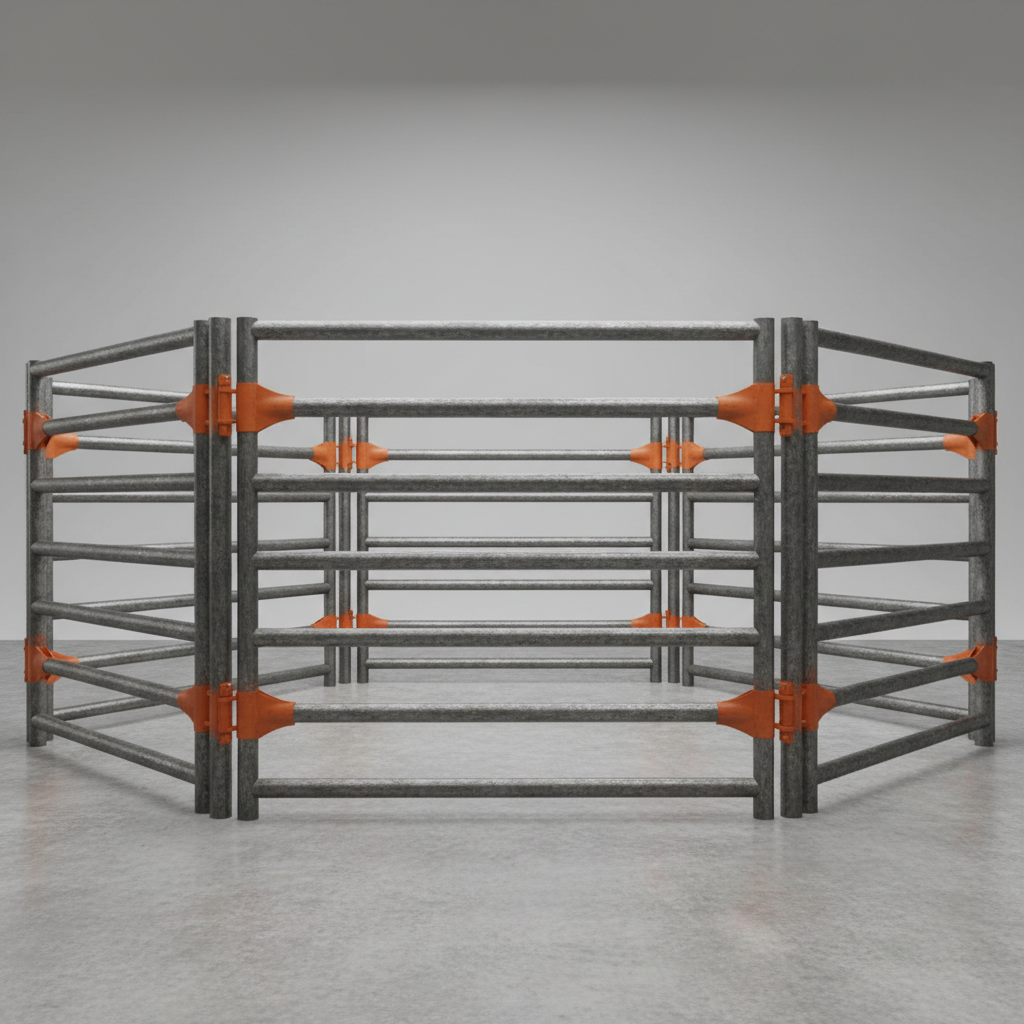
Let's get down to the details. A lot of people ask about the specs, so here's a quick breakdown of what we typically see. There’s a surprising amount of variation, of course. Some folks are looking for lighter-duty panels for temporary pens, others are building permanent holding facilities. That impacts everything from wire diameter to post spacing. I suppose a lot of the spec work is about finding that sweet spot between cost and durability. We’ve noticed a rise in demand for panels with smaller mesh openings, particularly where smaller livestock like sheep or goats are involved. It's a detail, but it makes a big difference.
| Specification |
Value |
Notes |
| Material |
Q235 Steel (Galvanized) |
Hot-dip galvanization for corrosion resistance |
| Wire Diameter |
4.0mm - 6.0mm |
Dependent on panel height & livestock type |
| Panel Height |
1.2m - 1.8m |
Standard heights available. Custom heights possible. |
| Panel Width |
2.1m - 2.4m |
Common widths for ease of handling and transport |
Vendor Landscape and Competitive Advantages
Oddly enough, the cattle panel market is surprisingly competitive. There’s a lot of variation in quality and price. Many engineers I've spoken with say you really get what you pay for, and that’s often true. Cheaper panels might look okay initially, but they tend to bend, rust, and generally fall apart faster. We’ve been comparing vendors lately, and it’s interesting to see how they differentiate themselves. Syswwiremesh (
https://www.syswwiremesh.com) consistently comes up as a solid option, known for its consistent galvanization and strong welds. Here’s a quick comparison:
| Vendor |
Galvanization |
Weld Strength |
Price (per panel) |
| Syswwiremesh |
Heavy-Duty, 600g/m² |
High (Tested to ASTM standards) |
$45 - $60 |
| ABC Fencing |
Standard, 400g/m² |
Medium |
$35 - $50 |
| XYZ Livestock |
Light, 300g/m² |
Low |
$25 - $40 |
Conclusion: Investing in Long-Term Reliability
Ultimately, choosing the right cattle panel is about making a smart investment. It’s not about finding the cheapest option, it’s about finding a solution that will last, reduce maintenance costs, and keep your livestock safe. I had a client last year, a large cattle ranch in Montana, who switched to heavier-gauge panels after years of constantly repairing lighter ones. They saw a significant reduction in labor costs and, you know, a lot less stress. It just… paid off.
References
References:
- Industry durability reports, HKaiseal 2023
- Maintenance strategies for conveyor equipment, Journal of Manufacturing 2022 (related to wire mesh stress testing)
- Personal project insights & engineer interviews 2018–2023