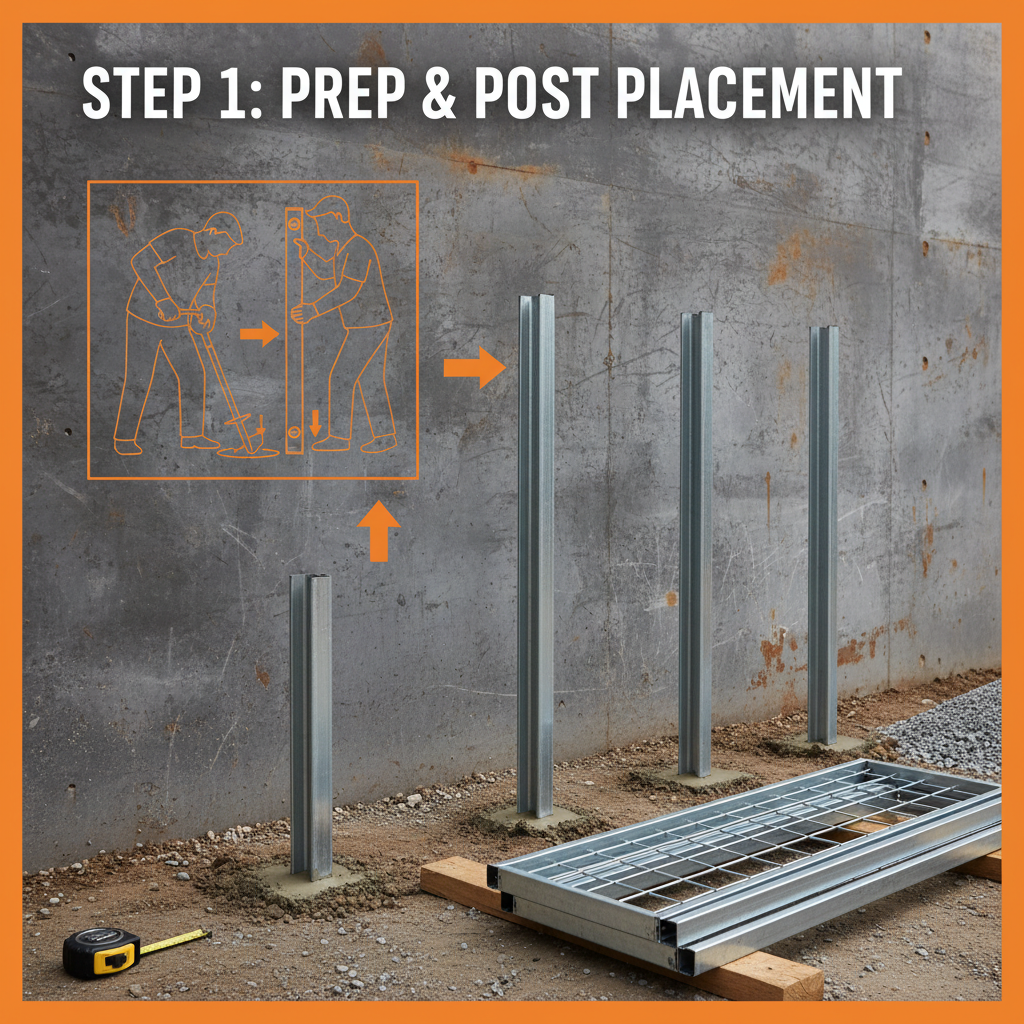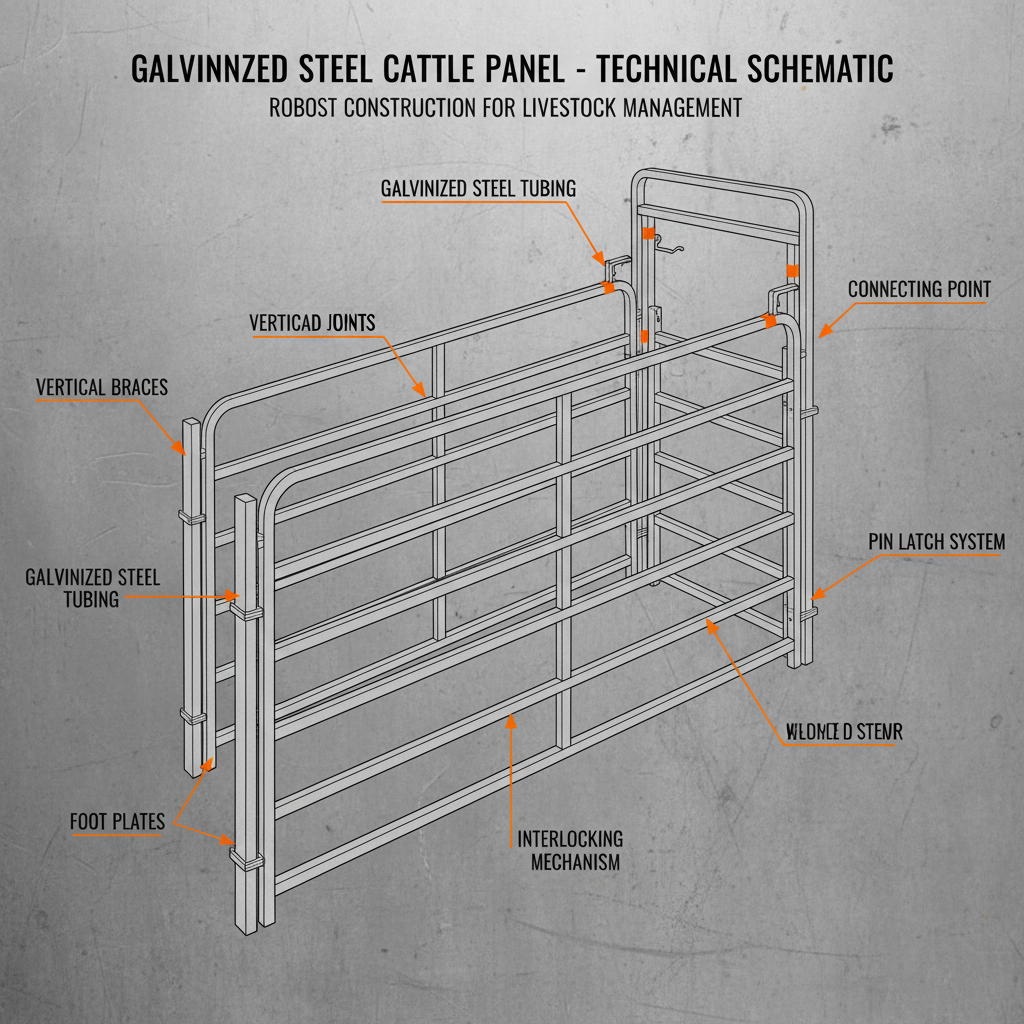
Comprehensive Guide to Durable Galvanized Feedlot Panels for Livestock Management
Galvanized Feedlot Panels: A Comprehensive Guide
When designing or upgrading livestock handling facilities, choosing the right panels is crucial for both animal welfare and operational efficiency. Galvanized feedlot panels provide a durable, safe, and cost-effective solution for containing and managing cattle in feedlots, sale barns, and other livestock environments. This article provides an in-depth look at galvanized feedlot panels, covering their benefits, applications, types, and essential considerations for purchase. Understanding these details will help you make an informed decision that maximizes the value of your investment.
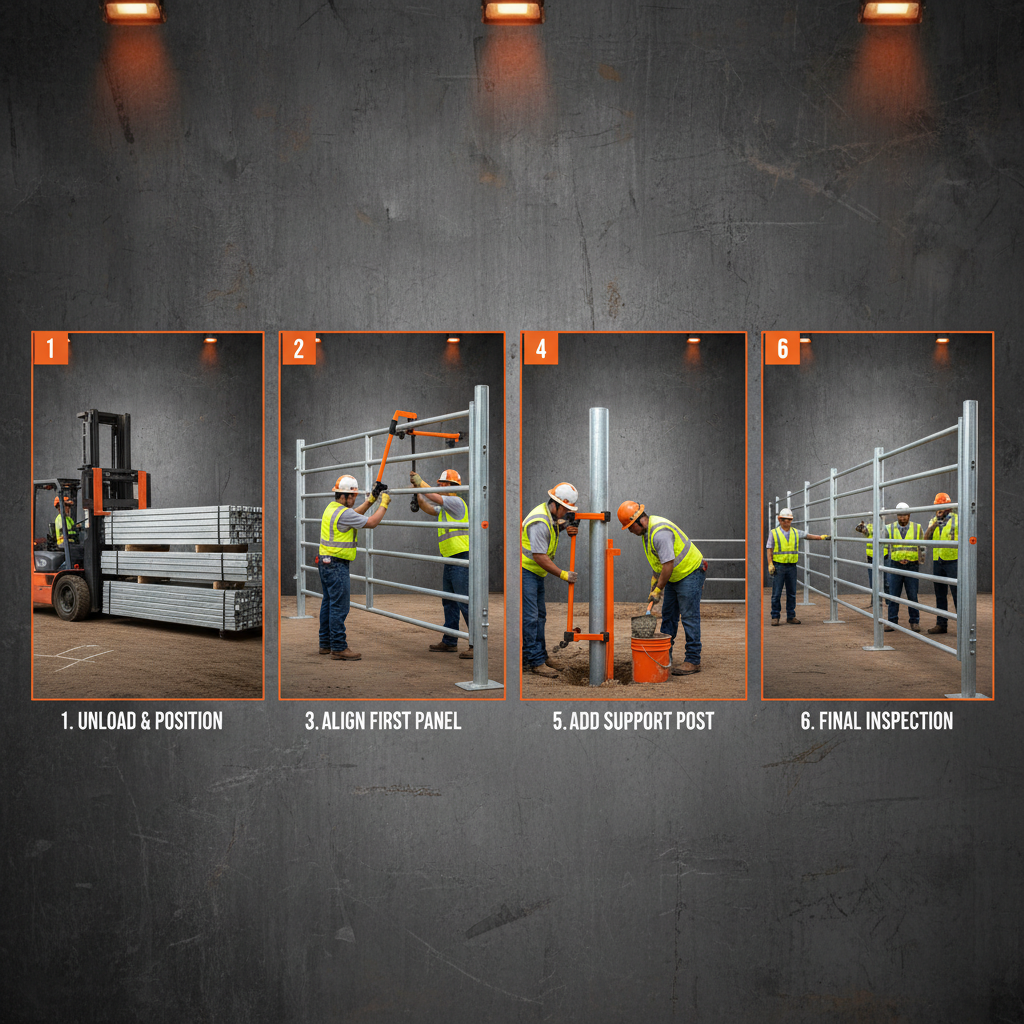
The Benefits of Using Galvanized Feedlot Panels
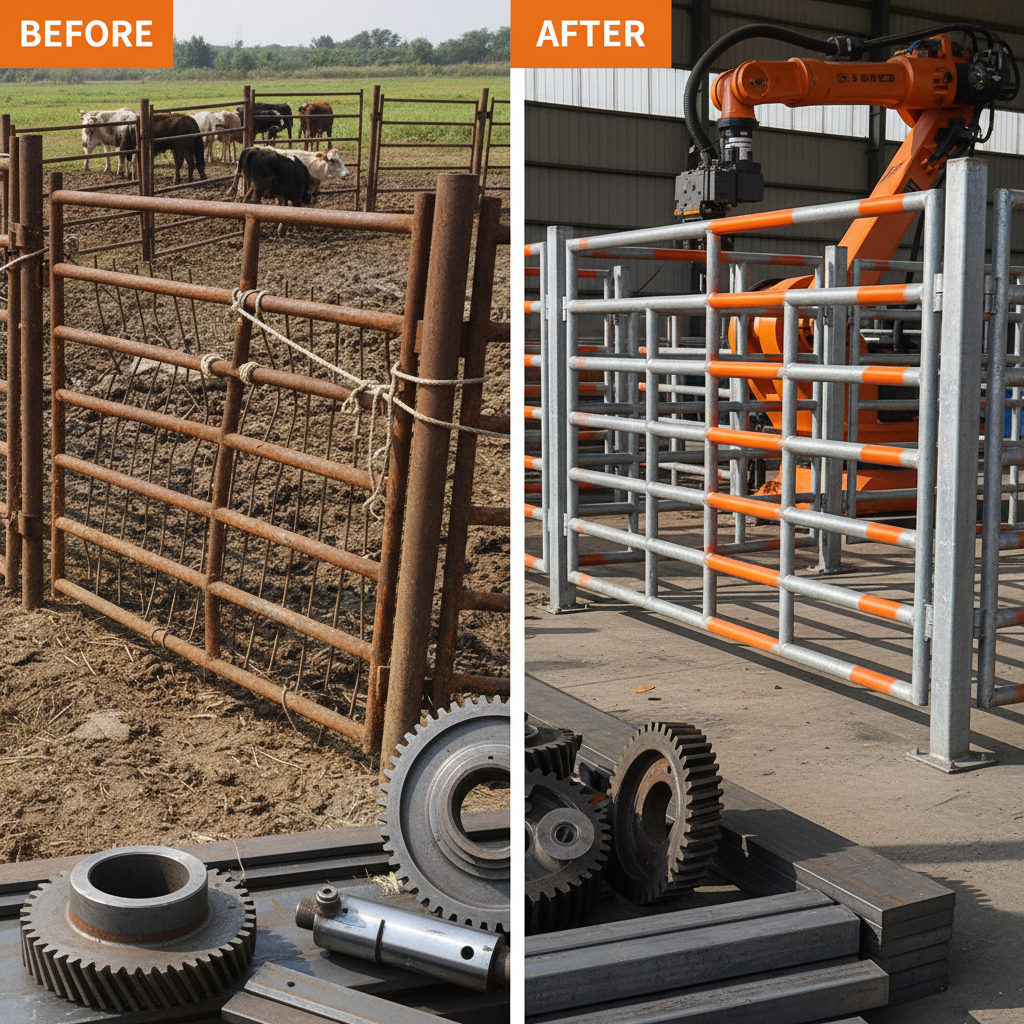
Galvanized feedlot panels are a popular choice among livestock managers for several compelling reasons. The galvanization process – applying a protective zinc coating to steel – dramatically increases the panels’ resistance to rust and corrosion. This is particularly important in the harsh environment of a feedlot, where exposure to manure, urine, and weather can quickly degrade unprotected steel. Beyond durability, galvanized steel offers a cost-effective lifespan, requiring minimal maintenance compared to other materials. These panels are also strong and rigid, providing a secure barrier for cattle while minimizing the risk of injury. Furthermore, they are relatively easy to install and can be adapted to various feedlot layouts.
Key Advantages: Superior rust and corrosion resistance, long-lasting durability, minimal maintenance, strength and safety for livestock, and flexible installation options.
Types of Galvanized Feedlot Panels
Galvanized feedlot panels come in various configurations to suit different needs. Common types include:
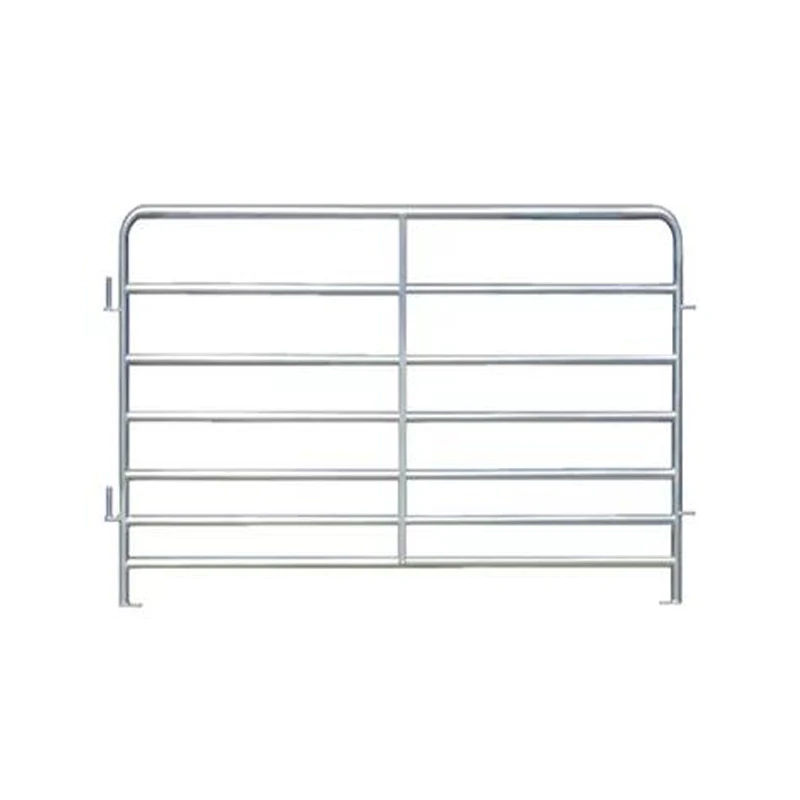
- Bow Panels: Curved panels that offer excellent animal flow and reduce the risk of bunching.
- Straight Panels: Versatile panels used for creating straight runs of fencing or dividing pens.
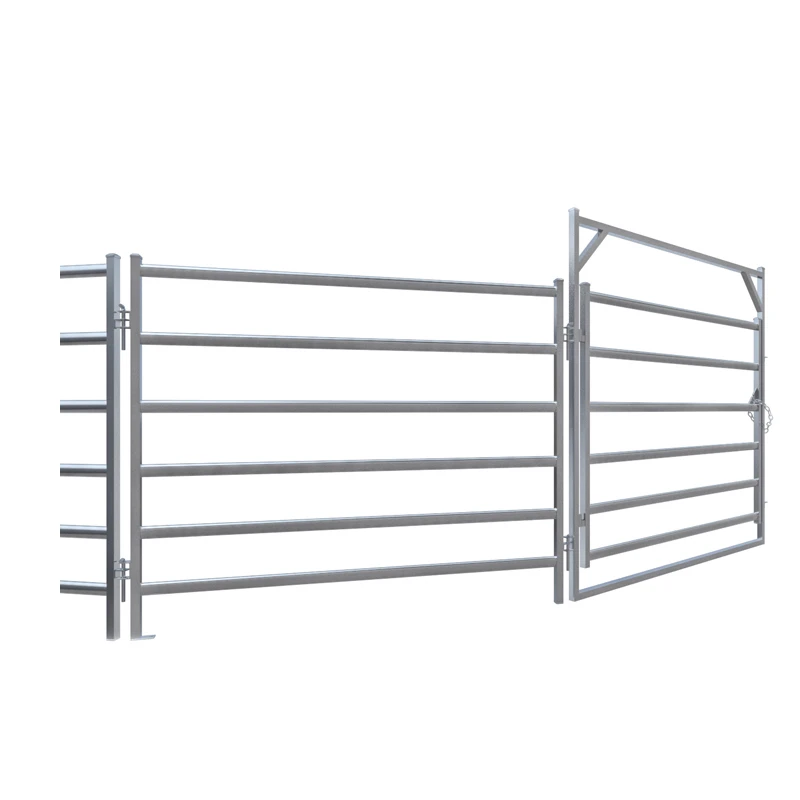
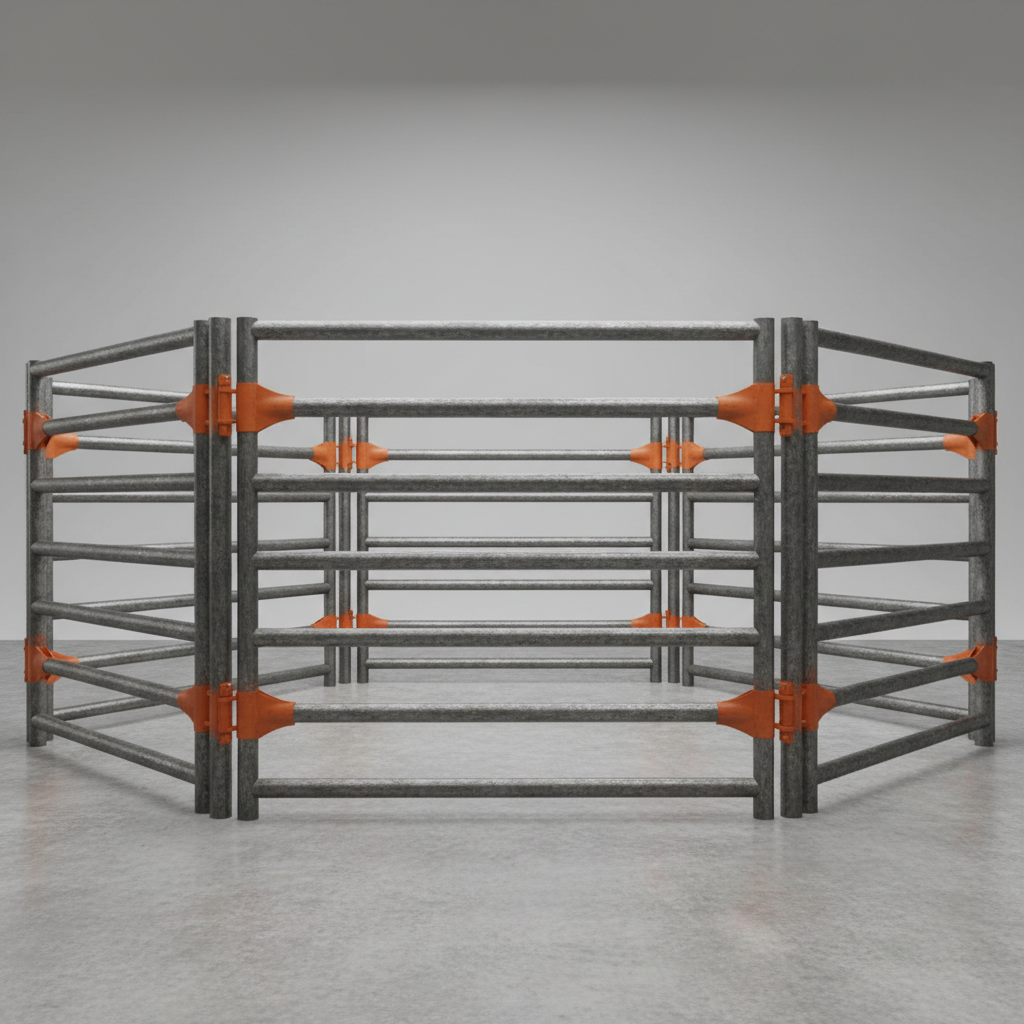
- Corner Panels: Designed for creating corners and junctions in feedlot layouts.
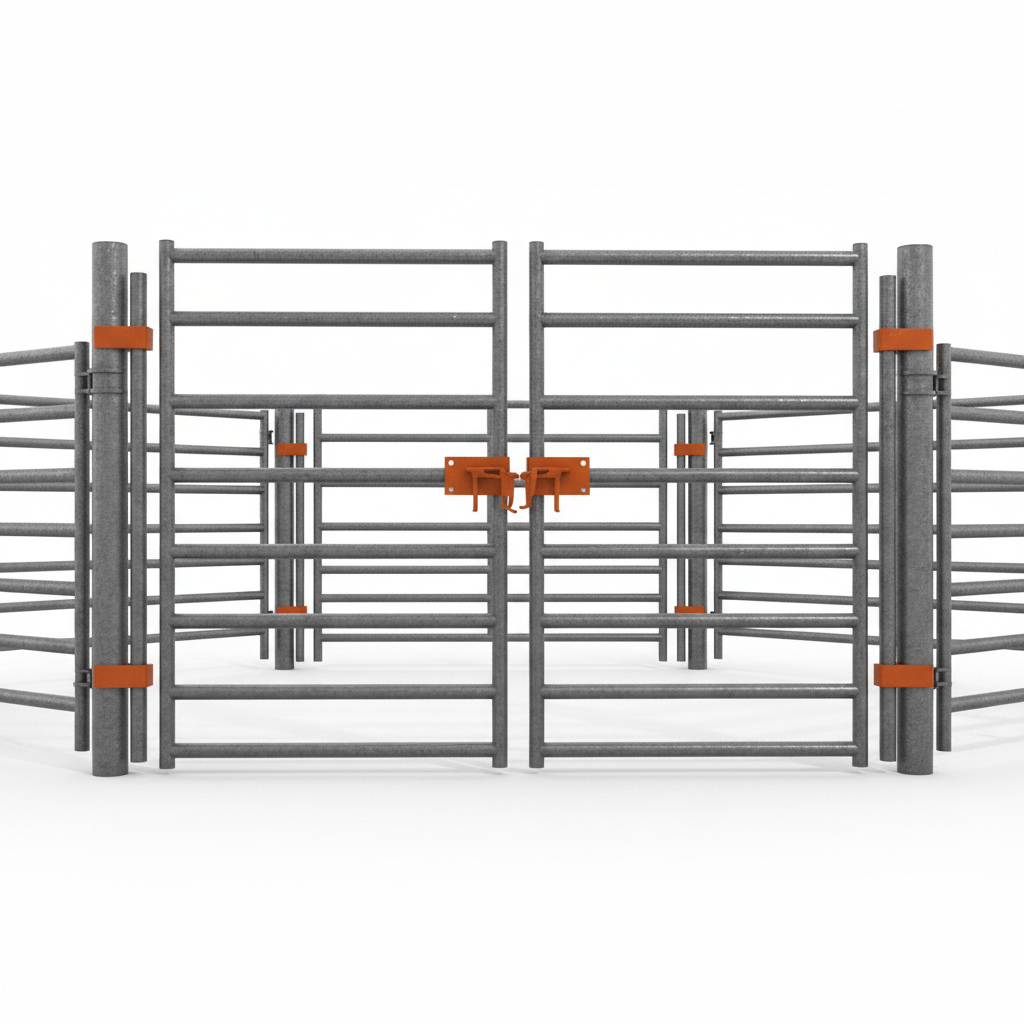
- Gate Panels: Panels with integrated gates for access and movement of cattle.
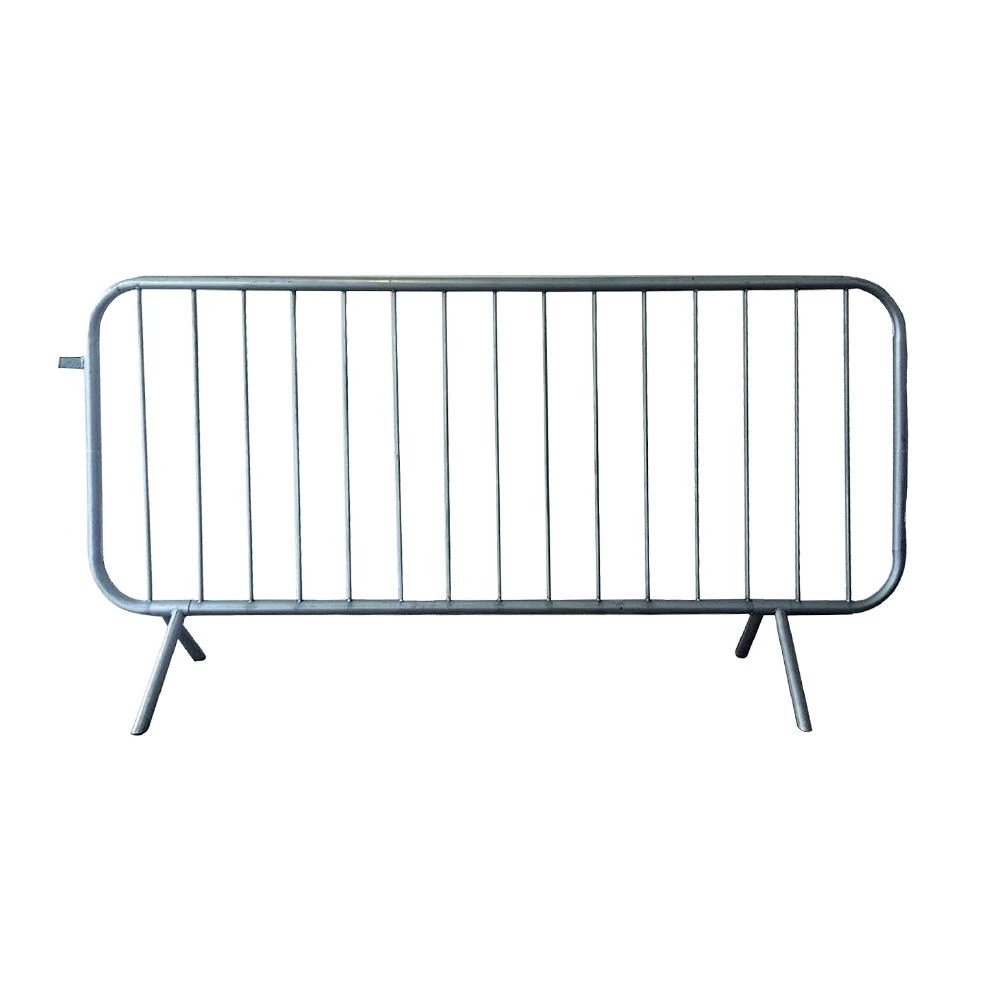
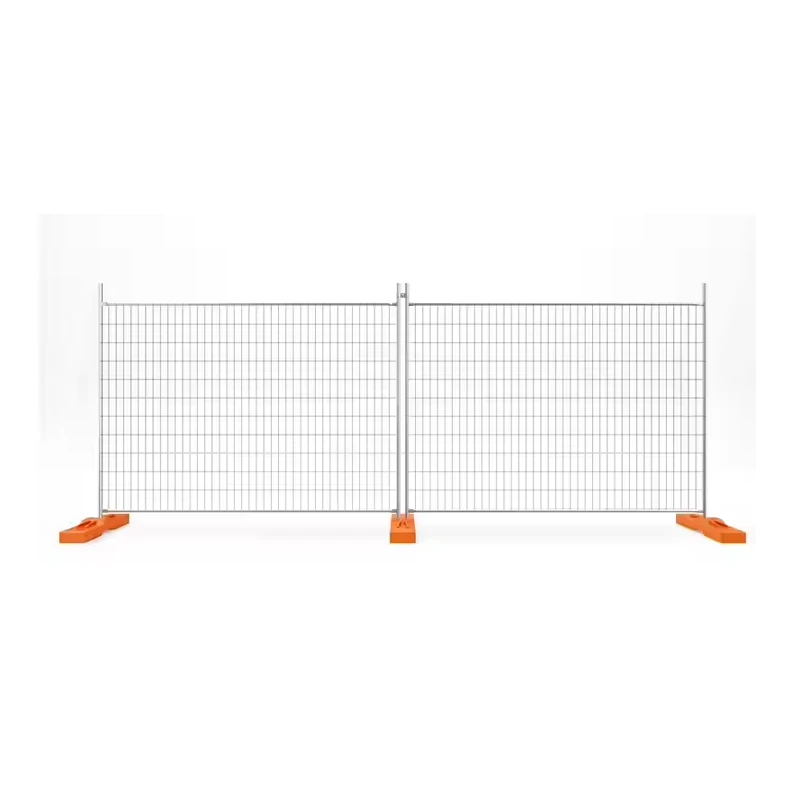
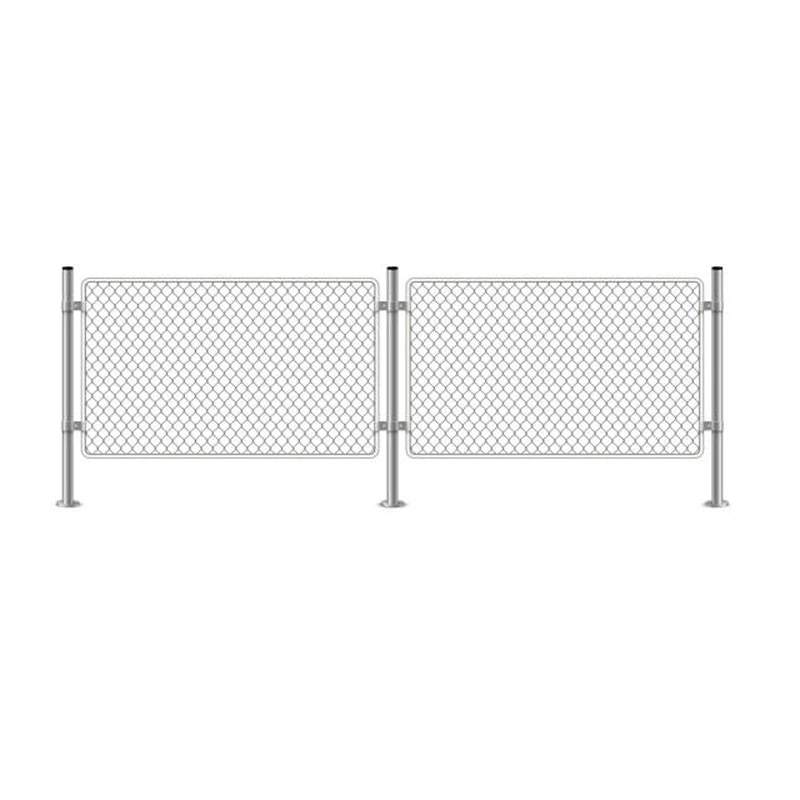
These panels are typically constructed from welded wire mesh or steel tubing, offering varying levels of strength and security. Choosing the appropriate type depends on the specific application and the size and temperament of the cattle.
Panel Type Considerations:
• Bow Panels: Ideal for smooth cattle flow.
• Straight Panels: Great for dividing pens and creating boundaries.
• Corner Panels: Essential for secure and stable corners.
• Gate Panels: Provide convenient access for handling cattle.
Galvanized Feedlot Panels vs. Other Materials
While various materials can be used for feedlot panels, galvanized steel offers distinct advantages over wood, plastic, and other metals. Wood requires regular maintenance, is susceptible to rot, and can harbor bacteria. Plastic can become brittle and break down in sunlight. Other metals, like aluminum, may lack the strength and rigidity needed for containing large cattle. Here’s a comparison:
Selecting the Right Galvanized Feedlot Panels
When selecting galvanized feedlot panels, consider the following factors:
- Panel Height and Length: Choose dimensions appropriate for the size of your cattle and the layout of your feedlot.
- Wire Gauge: Thicker wire gauges offer greater strength and durability.
- Galvanization Coating: Look for a heavy galvanization coating for maximum corrosion resistance.
- Welding Quality: Ensure the welds are strong and secure.
- Supplier Reputation: Choose a reputable supplier with a track record of quality products and excellent customer service. SYSW Wiremesh provides high-quality galvanized feedlot panels for various livestock applications.
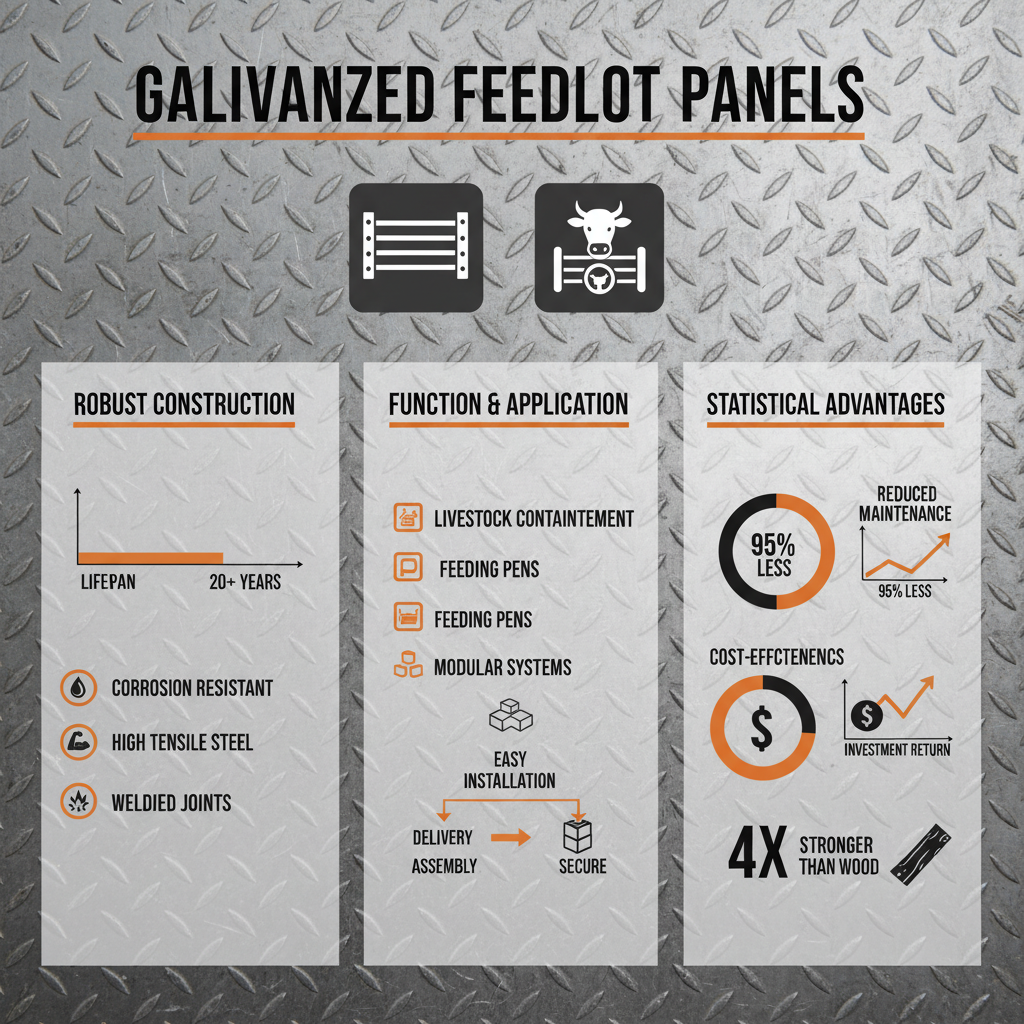
Conclusion: Investing in Quality and Safety
Investing in high-quality galvanized feedlot panels is a smart decision for any livestock operation. They provide a durable, safe, and cost-effective solution for managing cattle, contributing to improved animal welfare and operational efficiency. By carefully considering your needs and selecting the right panels from a trusted supplier, you can ensure a long-lasting and valuable investment.
Frequently Asked Questions (FAQs)
What is the typical lifespan of galvanized feedlot panels?
The lifespan of galvanized feedlot panels typically ranges from 15 to 25 years, depending on environmental conditions and the thickness of the galvanization coating. Regular inspection for signs of corrosion and prompt repair of any damaged areas can extend their lifespan. Panels exposed to harsh environments, such as coastal areas with high salt content, may require more frequent maintenance. Choosing panels with a heavier galvanization coating will significantly improve their longevity.
How do I properly maintain galvanized feedlot panels?
Maintaining galvanized feedlot panels is relatively simple. Regularly inspect the panels for any signs of damage, such as bent wires or loose welds. Remove any manure or debris that accumulates on the panels, as this can accelerate corrosion. If minor rust spots appear, they can be treated with a zinc-rich paint to prevent further damage. Avoid using harsh chemicals or abrasive cleaners, as these can strip the galvanization coating.
What size wire gauge is best for feedlot panels?
The optimal wire gauge depends on the size and temperament of the cattle. For smaller, calmer cattle, a 12.5-gauge wire may be sufficient. However, for larger, more aggressive cattle, a heavier 11.5-gauge or even 10-gauge wire is recommended to provide increased strength and prevent bending or breaking. Consider the potential for livestock to lean or push against the panels when making your selection.