Comprehensive Guide to Durable and Long Lasting Coated Cattle Panels
Understanding Coated Cattle Panels: A Comprehensive Guide
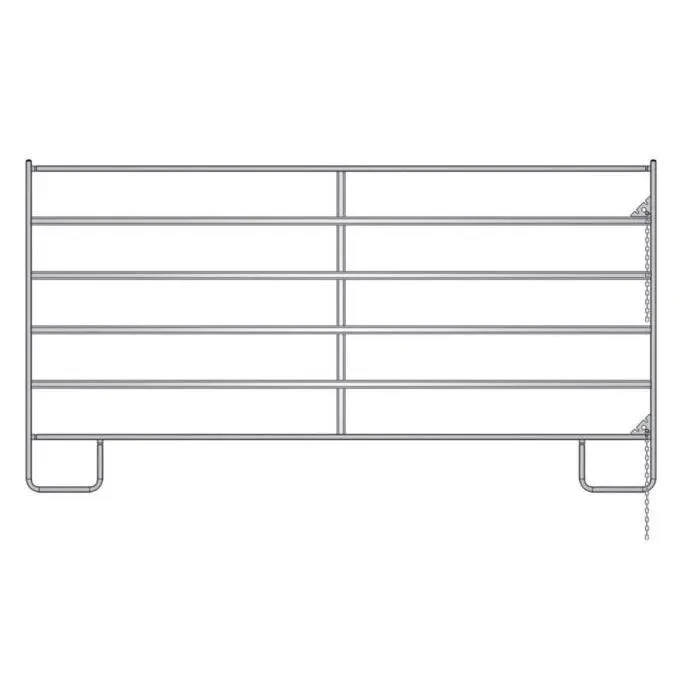
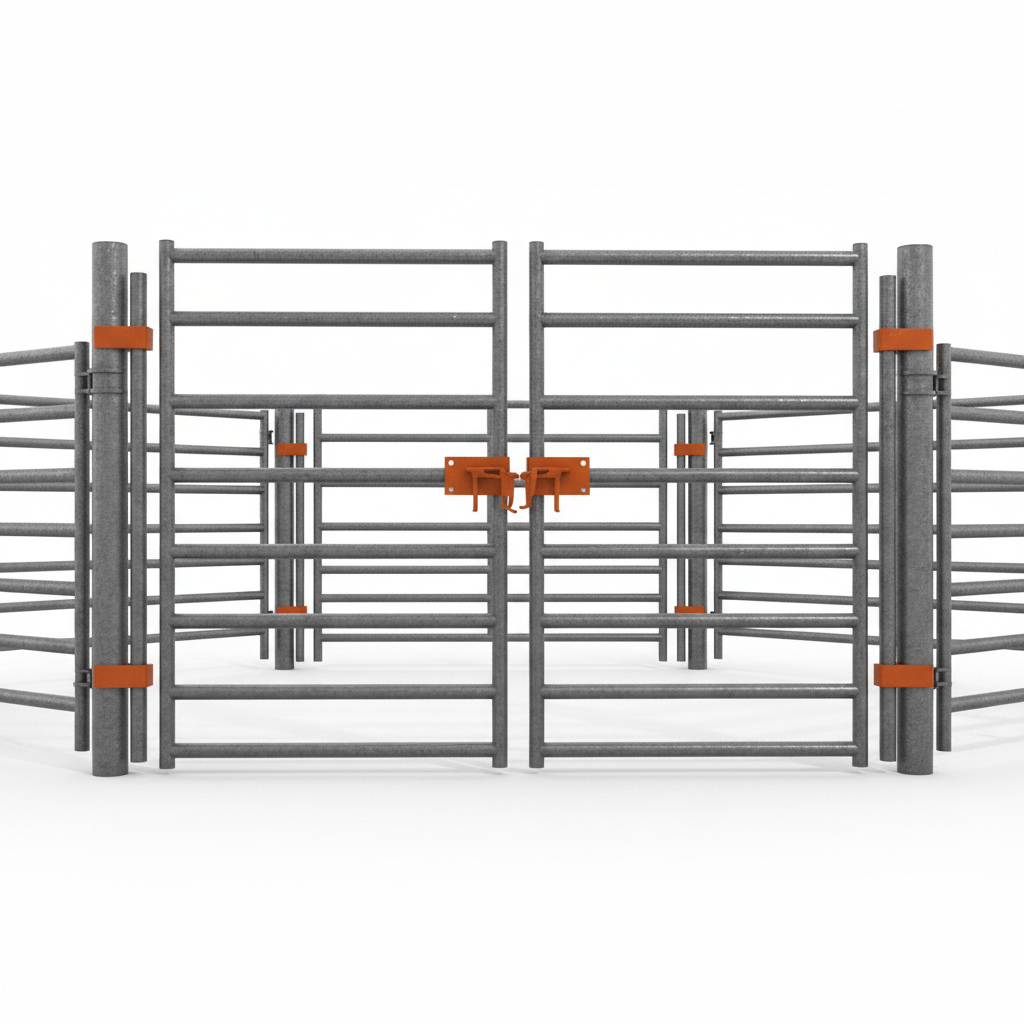
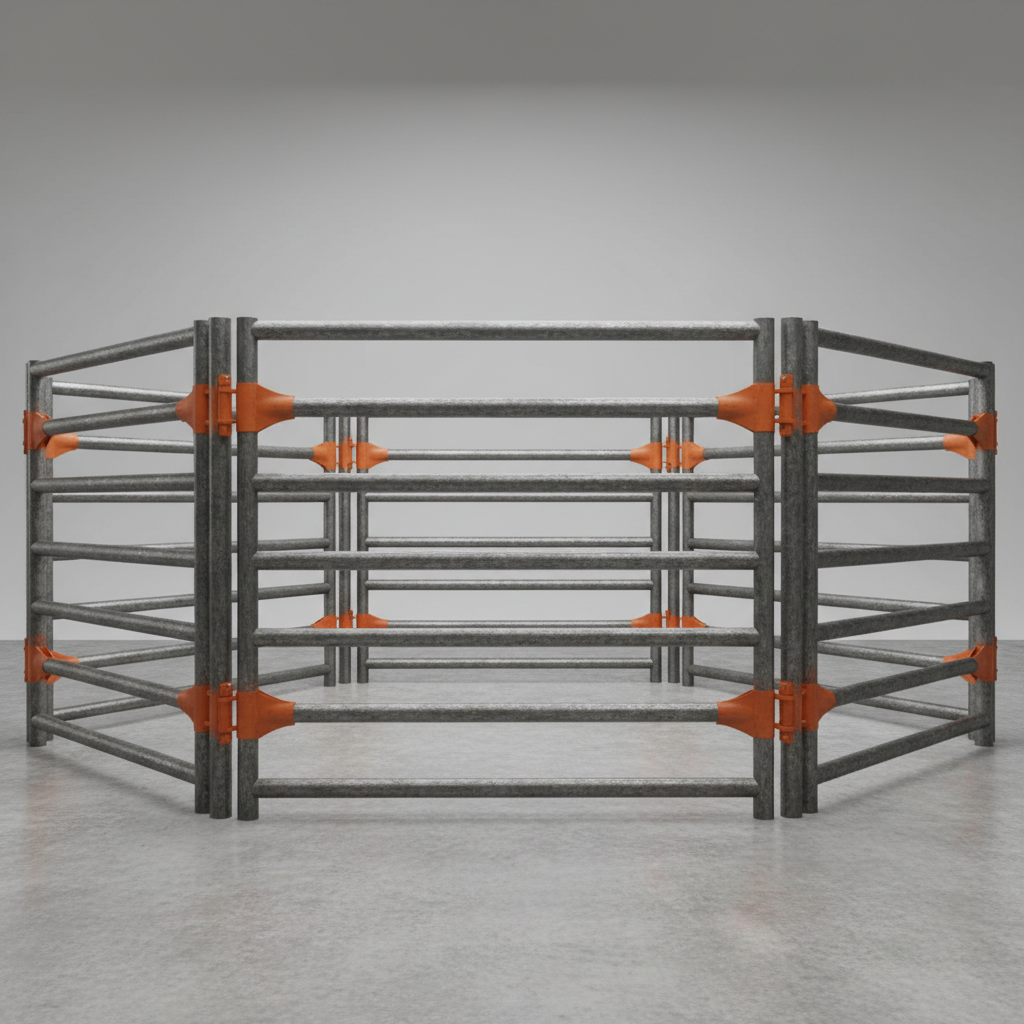
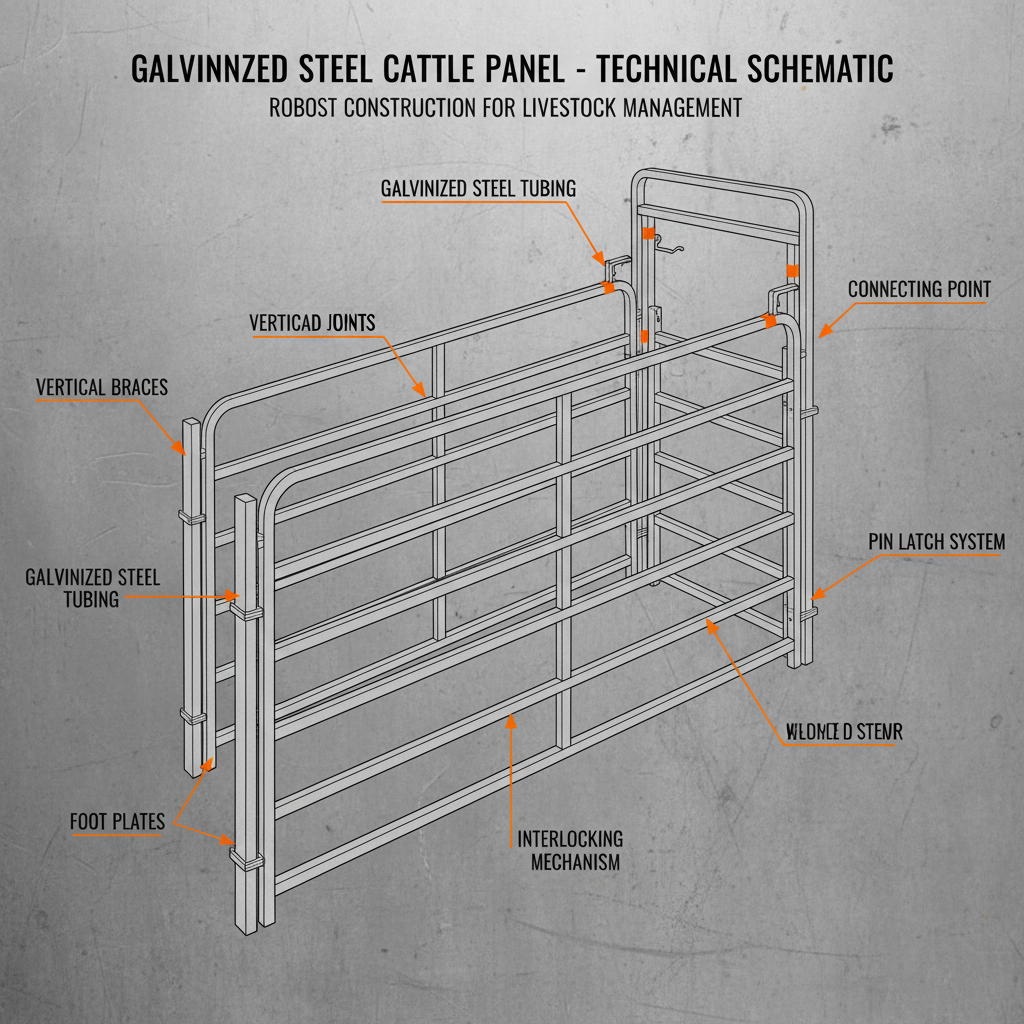
Coated cattle panels are essential for livestock management, providing secure and durable fencing solutions for farms and ranches. These panels, typically constructed from welded steel wire, offer a reliable way to contain cattle while ensuring their safety and well-being. Choosing the right coated cattle panel is critical for long-term performance and cost-effectiveness. This article will delve into the various aspects of coated cattle panels, including types of coatings, benefits, applications, and factors to consider when making a purchase. For a wide selection and expert advice, explore Syswwiremesh’s range of cattle panels.
Types of Coatings for Cattle Panels
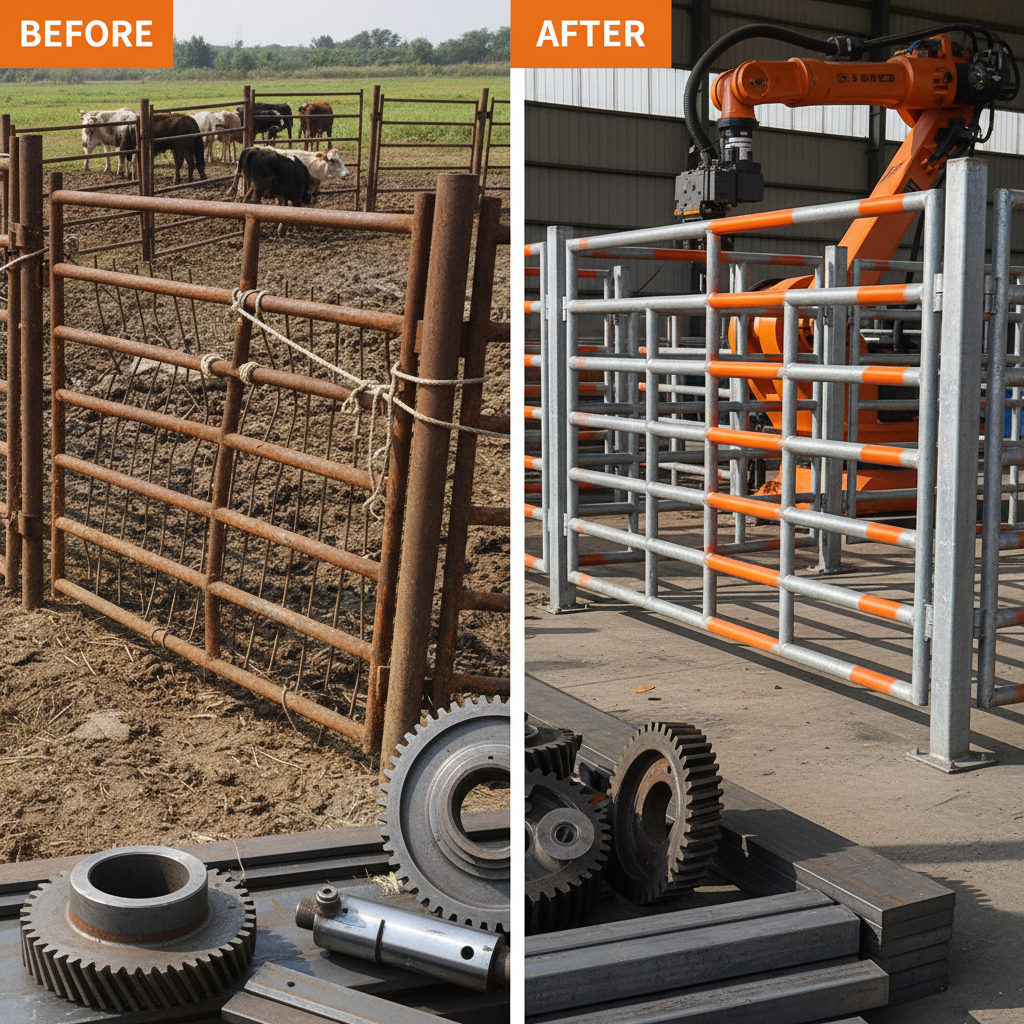
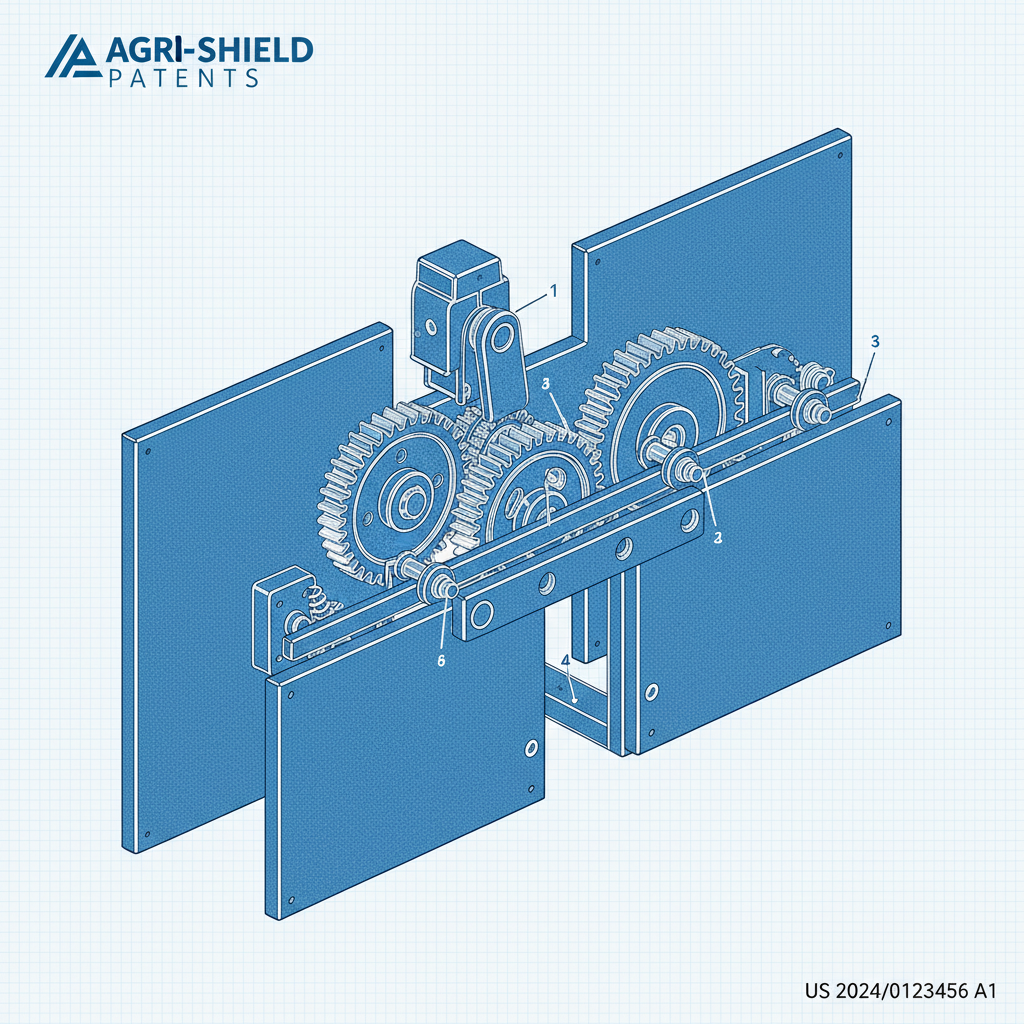
The coating applied to cattle panels plays a vital role in their longevity and resistance to corrosion. Several common coating options are available, each with its own advantages and disadvantages. Galvanizing is perhaps the most popular, offering excellent protection against rust and weathering. However, other options like powder coating and paint coatings provide alternative levels of durability and aesthetics. The choice depends on the environmental conditions, budget, and desired lifespan of the panels. Syswwiremesh offers a variety of coating options to meet your specific needs.
Key Highlights: Proper coating is essential for preventing rust and corrosion, extending the lifespan of your cattle panels, and reducing maintenance costs.
Galvanized vs. Powder Coated Cattle Panels
Galvanized and powder-coated cattle panels are two of the most popular choices for livestock containment. Galvanizing involves applying a zinc coating to the steel, providing sacrificial protection against rust. Powder coating, on the other hand, uses an electrostatically applied powder that is then cured under heat, creating a durable and colorful finish. Both options offer excellent corrosion resistance, but powder coating often provides a more aesthetically pleasing appearance and enhanced chip resistance.
Comparison: Galvanized vs. Powder Coated
• Galvanized: Excellent corrosion resistance, cost-effective, traditional look.
• Powder Coated: Superior chip resistance, aesthetically pleasing, available in various colors.
• Cost: Powder coating is generally more expensive than galvanizing.
Benefits of Using Coated Cattle Panels
Using coated cattle panels offers numerous benefits for livestock owners. They provide a safe and secure containment solution, preventing animals from escaping and reducing the risk of injury. The durable coatings protect against rust and corrosion, ensuring a long lifespan and minimizing maintenance requirements. Additionally, these panels are relatively easy to install and can be customized to fit specific farm layouts. Investing in high-quality coated cattle panels is a cost-effective solution for long-term livestock management. Explore the benefits further with Syswwiremesh’s expert guidance.
Applications of Coated Cattle Panels
Coated cattle panels are versatile and can be used in a variety of applications, including permanent fencing, temporary pens, livestock handling facilities, and auction yards. They are suitable for all breeds of cattle, as well as other livestock such as sheep and goats. Their robust construction and secure design make them ideal for managing large herds. Syswwiremesh provides customized solutions for diverse farming needs.
Choosing the Right Coated Cattle Panel: Key Considerations
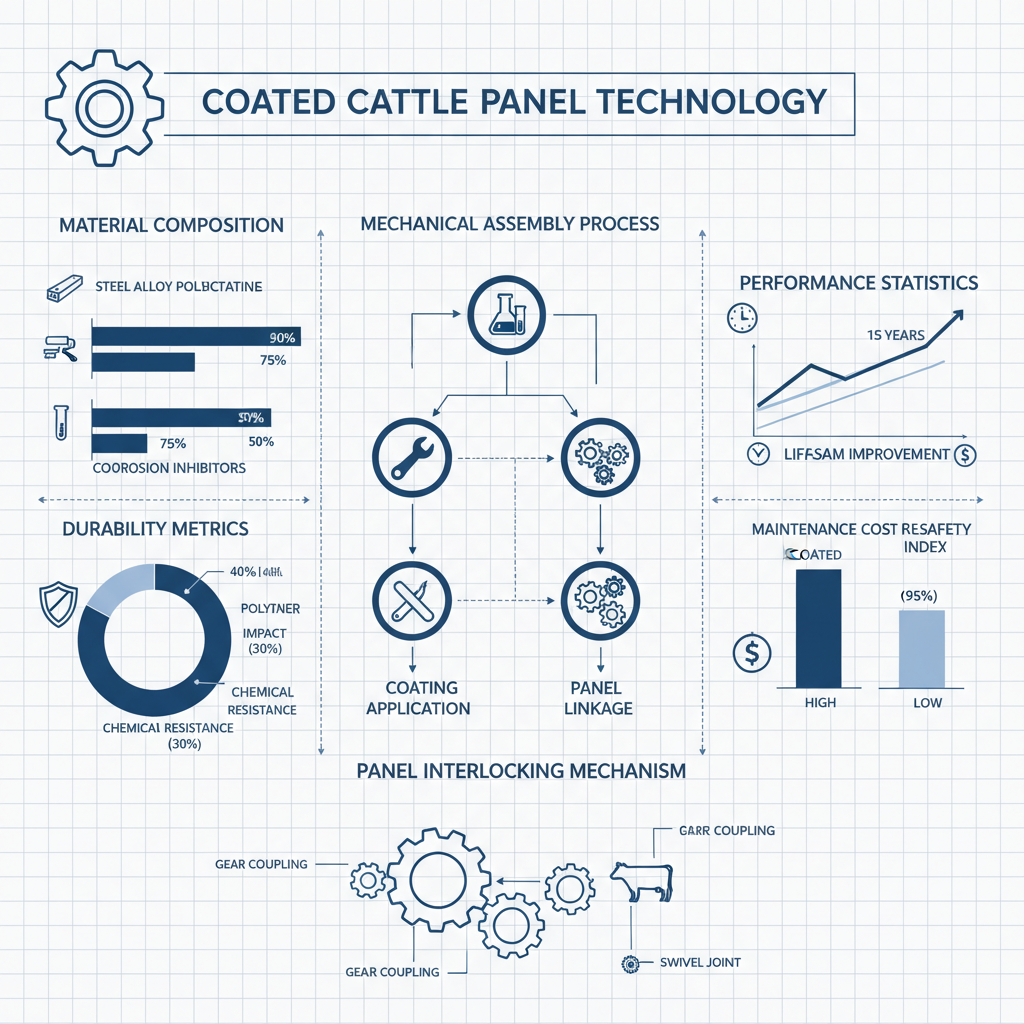
Selecting the appropriate coated cattle panel requires careful consideration of several factors. These include the size and weight of the animals, the terrain, the climate, and the intended lifespan of the fence. Panel height and wire gauge are crucial factors, as are the spacing between the wires. Consider purchasing from a reputable supplier like Syswwiremesh, who can provide expert advice and quality products.
Conclusion: Investing in Quality Cattle Panels
Choosing the right coated cattle panels is a crucial investment for any livestock operation. By considering the factors outlined in this guide and sourcing from a reliable supplier like Syswwiremesh, you can ensure the safety and well-being of your animals while optimizing your farm's efficiency and longevity.
Frequently Asked Questions (FAQs)
What is the typical lifespan of coated cattle panels?
The lifespan of coated cattle panels varies depending on the quality of the coating, the environmental conditions, and the level of maintenance. Generally, galvanized panels can last 20-30 years, while powder-coated panels may offer a similar lifespan with proper care. Regular inspection and occasional touch-ups can significantly extend their longevity. Factors like exposure to saltwater or harsh chemicals can accelerate corrosion and reduce the lifespan.
How do I properly maintain coated cattle panels?
Regular maintenance is key to maximizing the lifespan of your cattle panels. Inspect the panels annually for signs of damage, such as rust, cracks, or broken welds. Remove any debris or vegetation that may trap moisture and accelerate corrosion. For minor rust spots, use a wire brush to remove the rust and apply a rust-inhibiting paint. Regularly tighten any loose fasteners and replace damaged panels promptly.
Are coated cattle panels safe for all types of livestock?
Coated cattle panels are generally safe for a wide range of livestock, including cattle, sheep, goats, and horses. However, it's essential to choose panels with appropriate wire spacing to prevent smaller animals from getting their heads stuck. For horses, taller panels with closer wire spacing are recommended to prevent injuries. Always consider the specific needs of your livestock when selecting and installing cattle panels.
What should I consider when installing cattle panels?
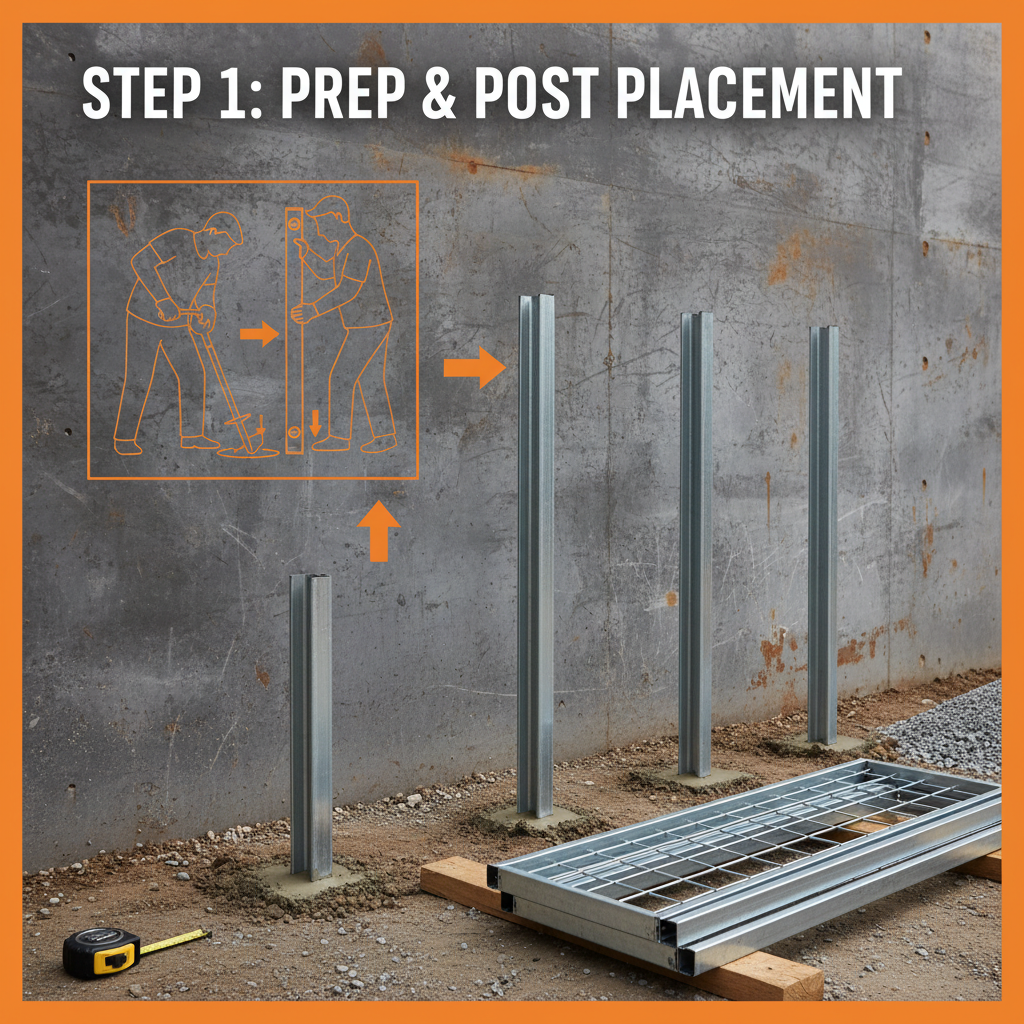
Proper installation is crucial for ensuring the safety and effectiveness of your cattle panels. Use sturdy posts that are adequately spaced to provide support. Ensure the panels are securely attached to the posts with appropriate fasteners. Consider the terrain and install panels level to prevent tripping hazards. Consult with a fencing professional for assistance if you are unsure about any aspect of the installation process.