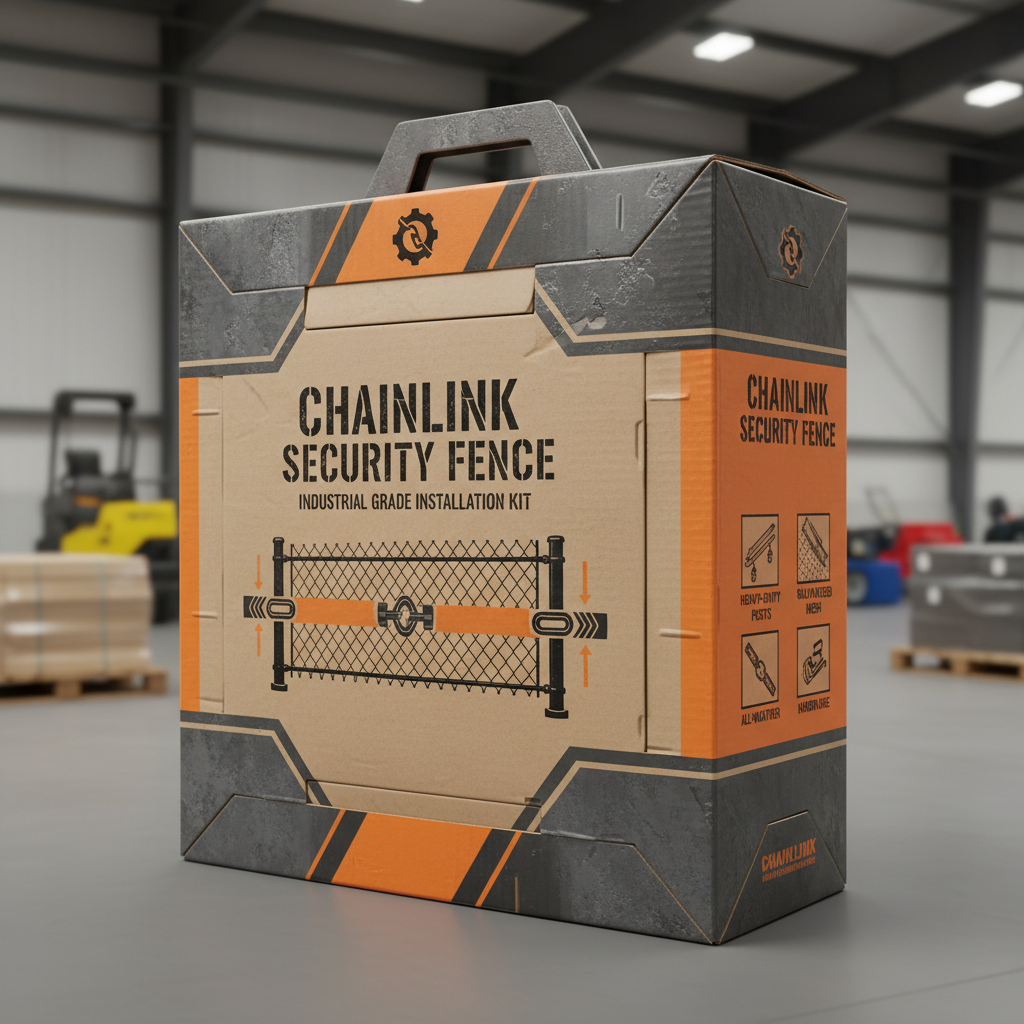
Selecting a perimeter security solution often comes down to the balance between structural rigidity and operational flexibility. For many property owners and agricultural managers, finding a system that prevents unauthorized access while resisting extreme environmental stress is a constant challenge. This is where the technical specifications of a high-grade security barrier become critical, as the wrong choice can lead to premature corrosion or structural failure under pressure.
The effectiveness of any security installation depends on the synergy between material science and design engineering. Whether implementing a Chain Link Fence for industrial sites or a specialized Livestock Fence for ranch management, the priority is always the long-term integrity of the barrier. The integration of galvanized steel and reinforced welding ensures that the system does not merely exist as a boundary but functions as a durable asset that reduces the need for frequent replacements.
By analyzing the core construction methods and the specific needs of various industrial and agricultural environments, we can determine the most sustainable approach to site protection. This guide explores the technical drivers behind high-performance barriers, providing a comprehensive look at how jw fence solutions integrate durability with practical utility to solve complex enclosure problems.


Modern metal fencing systems are engineered based on a combination of load-bearing capacity and corrosion resistance. At their core, these structures utilize high-quality galvanized steel or heavy-duty aluminum to ensure the barrier can withstand extreme environmental conditions without warping. The use of powder-coated finishes adds an additional layer of protection, preventing oxidation in humid or saline environments, which is essential for both industrial and agricultural deployments.
The structural integrity is further enhanced through reinforced welded joints and strategic cross-bracing. This prevents the frames from bending or sagging, even when subjected to significant external pressure, such as large animals pushing against a livestock gate. By focusing on the precision of the welding and the gauge of the steel, manufacturers can create barriers that maintain their geometric stability over decades of use.
The lifespan of a metal fence is primarily determined by the interaction between the material finish and the local climate. Galvanization provides a sacrificial zinc layer that protects the underlying steel from rust, while powder-coating offers a durable, aesthetic shield against UV radiation and chemical exposure. Selecting the appropriate coating is not just about appearance but about reducing the frequency of costly maintenance cycles.
Maximum durability is achieved when heavy-duty galvanized steel is paired with rolled edges and anti-slip latching mechanisms, ensuring that the physical barrier remains secure while eliminating sharp protrusions that could cause injury to handlers or livestock.
Beyond materials, the design of the hinges and latching systems plays a pivotal role. Solid steel hinges designed for repeated high-frequency use prevent the "gate sag" commonly seen in lower-quality installations. When these mechanical components are engineered to endure constant operation under pressure, the overall operational lifecycle of the security system is significantly extended.
For ranch and farm operations, the value of a metal livestock gate extends beyond simple containment. These systems facilitate efficient animal movement and sorting, which directly impacts labor productivity. By utilizing open-bar designs, handlers can monitor livestock movement without needing to open the gate unnecessarily, thereby reducing the stress on the animals and improving the safety of the staff.
The transition from wooden to metal barriers represents a shift from high-maintenance, rot-prone materials to a sustainable asset that eliminates the risk of splintering and structural decay, significantly lowering the total cost of ownership over a 10-year period.
Furthermore, the modular nature of modern tubular fencing allows for quick adjustments based on herd size or seasonal requirements. Removable sections and adjustable widths ensure that the infrastructure can evolve alongside the business, providing a level of versatility that permanent concrete or traditional timber fences cannot match.
Evaluating the efficiency of various fencing materials requires a look at their resistance to environmental degradation and their mechanical strength. While aluminum offers superior weight-to-strength ratios and natural corrosion resistance, galvanized steel remains the industry standard for high-impact areas due to its sheer durability and resistance to bending.
The following data illustrates the relative performance of common industry finishes when exposed to high-moisture environments, focusing on the delay of initial oxidation and the maintenance of structural rigidity.
The application of security fencing varies wildly depending on the intended use case. In agricultural settings, pasture gates and feedlot entrances must prioritize the prevention of limb entrapment through carefully spaced horizontal bars. In contrast, industrial Crowd Control Barriers and Permanent Security Fences focus on psychological deterrence and physical obstruction to prevent unauthorized human access to sensitive areas.
Temporary Fencing has also seen a surge in demand for construction sites and event management. These systems must be rapidly deployable and easily relocatable without sacrificing stability. The use of interlocking panels and heavy-duty feet ensures that the perimeter remains intact even in high-traffic urban environments where wind loads and accidental impacts are common.
Sustainability in the metal fabrication industry is increasingly focused on the circular economy. Many modern livestock and security gates are now produced using recycled steel, reducing the carbon footprint of the manufacturing process. Because metal is fully recyclable at the end of its lifecycle, it presents a more eco-friendly alternative to plastic-based barriers or treated lumber which may leach chemicals into the soil.
Innovation is also shifting toward "smart" integration, where sensors can be embedded into permanent security fences to alert operators of breaches in real-time. While the physical barrier provides the first line of defense, the integration of digital monitoring enhances the overall security posture of the facility.
Future developments are likely to emphasize modularity and tool-less installation, allowing users to reconfigure their perimeters without specialized labor. This trend toward user-centric design reduces the initial barrier to entry for high-quality security installations and empowers managers to adapt their site layouts dynamically.
Even the highest quality metal fence can fail if the installation is flawed. Common issues include improper post-setting, which leads to leaning, and the failure to lubricate moving parts, which causes hinge wear. Ensuring that pre-drilled holes align perfectly with existing fence posts is the first step in a stable installation.
Maintenance should be viewed as a preventive rather than a reactive process. Periodic inspections for loose bolts and the removal of debris from latching mechanisms prevent the system from seizing. For powder-coated fences, simple cleaning with non-abrasive materials is usually sufficient to maintain the finish.
By comparing different material choices against specific environmental stressors, buyers can make an informed decision that balances initial capital expenditure with long-term operational costs.
| Environment | Recommended Material | Key Advantage | Maintenance Level |
|---|---|---|---|
| High Humidity | Galvanized Steel | Rust Resistance | Low |
| Coastal / Saline | Powder-Coated Alum | Anti-Corrosion | Very Low |
| Heavy Livestock | Reinforced Steel | Impact Strength | Moderate |
| Temporary Event | Tubular Steel | Rapid Deploy | Low |
| Industrial Site | Chain Link / Steel | Deterrence | Low |
| Residential Edge | Ornamental Metal | Aesthetics | Moderate |
Galvanization is a chemical process that bonds zinc to the steel to prevent rust, making it ideal for extreme weather. Powder-coating is a dry powder applied as a paint that is then cured under heat, providing a colorful, hard finish that protects against UV rays and scratches. Many high-end systems use both for maximum protection.
Preventing sag requires a combination of heavy-duty hinges and proper structural bracing. Using solid steel hinges and ensuring the gate posts are set deeply in concrete prevents shifting. Additionally, installing a diagonal cross-brace provides the necessary tension to keep the gate square even under the weight of heavy animals.
Yes, while the initial investment for metal is typically higher, the long-term ROI is superior. Metal does not rot, warp, or suffer from termite damage, which eliminates the need for frequent replacement or expensive chemical treatments required by wood, leading to significantly lower lifecycle costs.
Generally, no. Temporary fences are designed for rapid deployment and mobility, utilizing lighter gauges and interlocking mechanisms. Permanent security fences are engineered with deeper footings and reinforced materials to provide a long-term barrier against forced entry and structural fatigue.
Look for rolled edges to prevent cuts, gaps specifically spaced to avoid limb entrapment, and secure self-locking mechanisms. High-quality gates also feature visibility-focused open-bar designs, allowing handlers to see animals clearly before opening the gate, which reduces accidental escapes and injuries.
A comprehensive inspection should be conducted semi-annually. Key focus areas include checking for loose bolts, lubricating hinge points, and inspecting the coating for any deep scratches or chips that could lead to localized corrosion. Early detection of coating failure allows for simple touch-ups rather than full section replacements.
The selection of a metal fencing system is a strategic decision that impacts both the security of a site and the operational efficiency of a business. By prioritizing material quality, such as galvanized steel and reinforced welding, property owners can implement a solution that resists the elements and withstands physical pressure. The shift toward sustainable, recyclable metal components further ensures that modern security infrastructure aligns with global environmental standards without compromising on strength.
Whether your needs involve agricultural containment or industrial site protection, the key to success lies in matching the specific material finish to your environmental challenges. For those seeking reliable, durable, and professionally engineered perimeter solutions, exploring the full range of options at www.syswwiremesh.com can provide the technical guidance and product variety needed to secure your assets effectively.