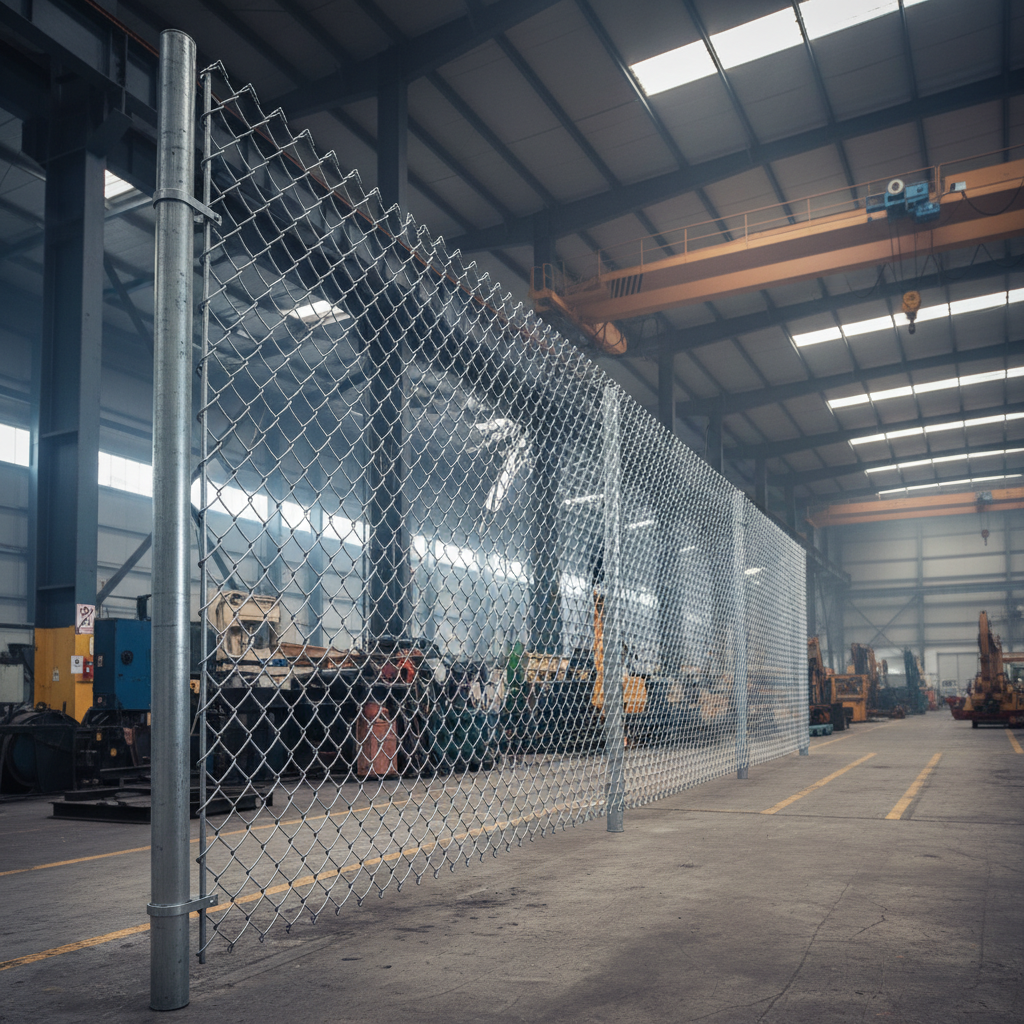
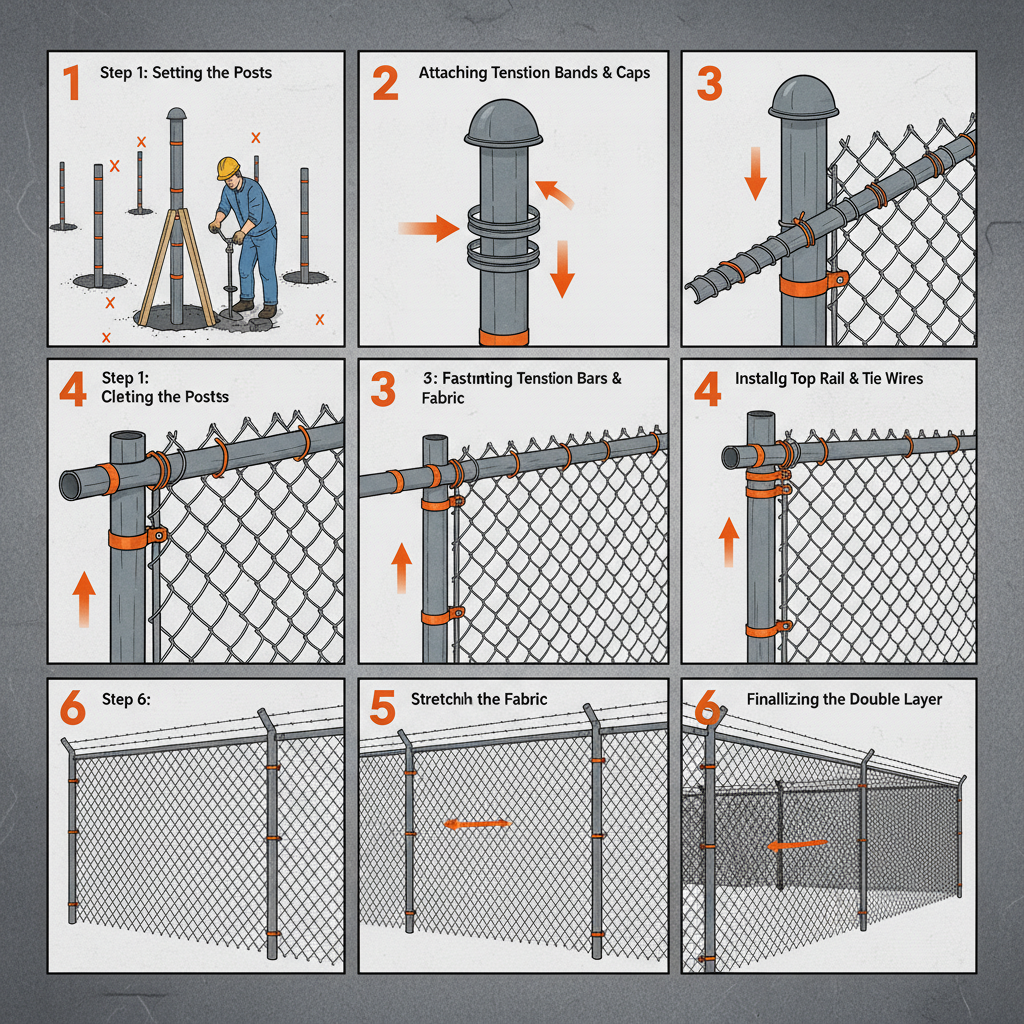
Black chain link fence installation isn’t just about perimeter security; it’s a foundational element in everything from industrial sites and sporting complexes to residential properties and critical infrastructure. For years, I’ve walked job sites, seen projects delayed by subpar fencing, and watched budgets balloon from unforeseen installation issues. It's a deceptively simple system, but get it wrong, and you’re looking at recurring maintenance, security vulnerabilities, and ultimately, a frustrated client. Understanding the nuances of a solid black chain link fence installation – from material selection to proper tensioning – is critical for a lasting, cost-effective solution. black chain link fence installation is one of the most versatile perimeter security solutions out there.
What I’ve found over the years is that a lot of folks underestimate the long-term costs associated with cutting corners. Choosing cheaper materials might seem appealing upfront, but rust, sagging, and eventual replacement will eat into those savings quickly. It’s a classic case of paying now or paying significantly more later. The demand for effective and durable fencing solutions is consistently high, globally. According to industry reports, the global chain link fence market is projected to reach billions in the coming years, driven by infrastructure development and security concerns. This highlights the vital role of quality installation in maintaining the integrity and longevity of these systems.
Ultimately, a successful black chain link fence installation comes down to knowing your materials, understanding local codes, and having a skilled installation crew. I’ve seen too many projects where a lack of attention to detail resulted in a fence that didn’t meet specifications or simply didn’t last. It’s a trade where experience really matters, and a well-executed installation provides peace of mind and security for years to come.
The Fundamentals of black chain link fence installation
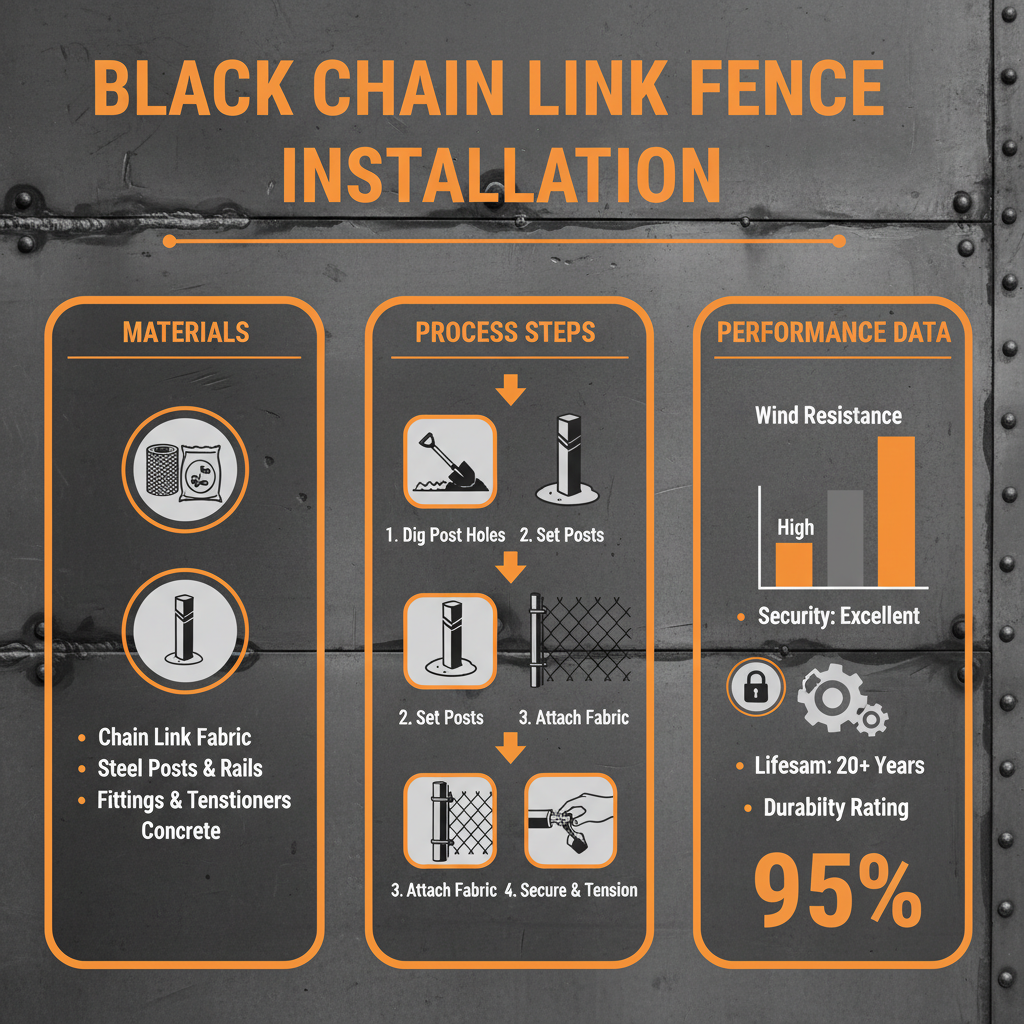
You start with the posts – that’s your anchor. Galvanized steel is the standard, but for coastal areas or corrosive environments, you need to step up to aluminum or even vinyl-coated steel. The line posts need to be set deep enough to withstand wind load and potential impacts. I’ve seen fences fail simply because posts weren't properly braced or weren't set in the right type of concrete. black chain link fence installation needs to consider the climate and soil conditions.
Then comes the fabric – the chain link itself. The gauge, or thickness, of the wire is crucial. Heavier gauge means a more durable fence. Black vinyl coating is popular for its aesthetic appeal and added corrosion resistance, but it’s a step up in price. Don’t skimp on the tension wire either; it's what keeps the fabric taut and prevents sagging over time. It's all about getting the details right from the start.
Global Relevance and Industry Standards
The need for secure perimeter fencing is universal. Whether it’s protecting a critical infrastructure site in Europe, securing a residential property in North America, or delineating boundaries in developing nations, the principles of a good black chain link fence installation remain consistent. The ISO 9001 standard for quality management systems is often applied to fence manufacturing and installation, ensuring a certain level of consistency and reliability.
What I’ve noticed is that adherence to standards varies considerably from region to region. In some countries, building codes are strictly enforced, while in others, it's more of a guideline. This is where experience and a thorough understanding of local regulations are vital. We've seen projects stall because they didn't account for local wind load requirements or specific height restrictions. It is important to stay up-to-date on the latest guidelines.
The demand for robust security is ever-increasing, driven by global instability and growing concerns about trespassing and vandalism. This translates into a consistent need for skilled installers who can deliver high-quality black chain link fence installations that meet or exceed industry benchmarks.
Defining Black Chain Link Fence Installation
Black chain link fence installation is the process of erecting a perimeter barrier using woven, galvanized steel wire that's been coated with a black vinyl polymer. It involves setting posts, stretching the fabric, and securing it to the posts with tension wire and fittings. It’s more than just hammering posts into the ground; it’s about creating a secure and durable system.
Its connection to modern needs stems from its balance of security, cost-effectiveness, and visibility. Unlike solid fences, chain link allows for clear sightlines, which can be important for security monitoring or in areas where visibility is a concern. It’s widely used in areas where security is a priority, but an obstructed view isn't desired.
The black coating provides an aesthetic upgrade over traditional galvanized steel, making it suitable for residential applications where appearance is a factor. It’s a practical solution that addresses both security and aesthetic concerns. black chain link fence installation can fit multiple scenarios.
Core Components of Effective Installation
First, Post Setting Depth: This is critical for stability. You need to account for frost heave in colder climates, ensuring the posts are set below the frost line. I’ve seen fences lean after a harsh winter because this was overlooked. Second, Fabric Tension: Proper tension is essential to prevent sagging and maintain the integrity of the fence. Using a chain link stretcher is non-negotiable.
Third, Gate Installation: Gates are often the weakest link in a fencing system. They need to be properly aligned and supported to prevent sagging and ensure smooth operation. Fourth, Corrosion Resistance: Using galvanized or vinyl-coated materials is essential, especially in corrosive environments. Selecting the right material can make all the difference.
Component Importance in Black Chain Link Fence Installation
Real-World Applications of black chain link fence installation
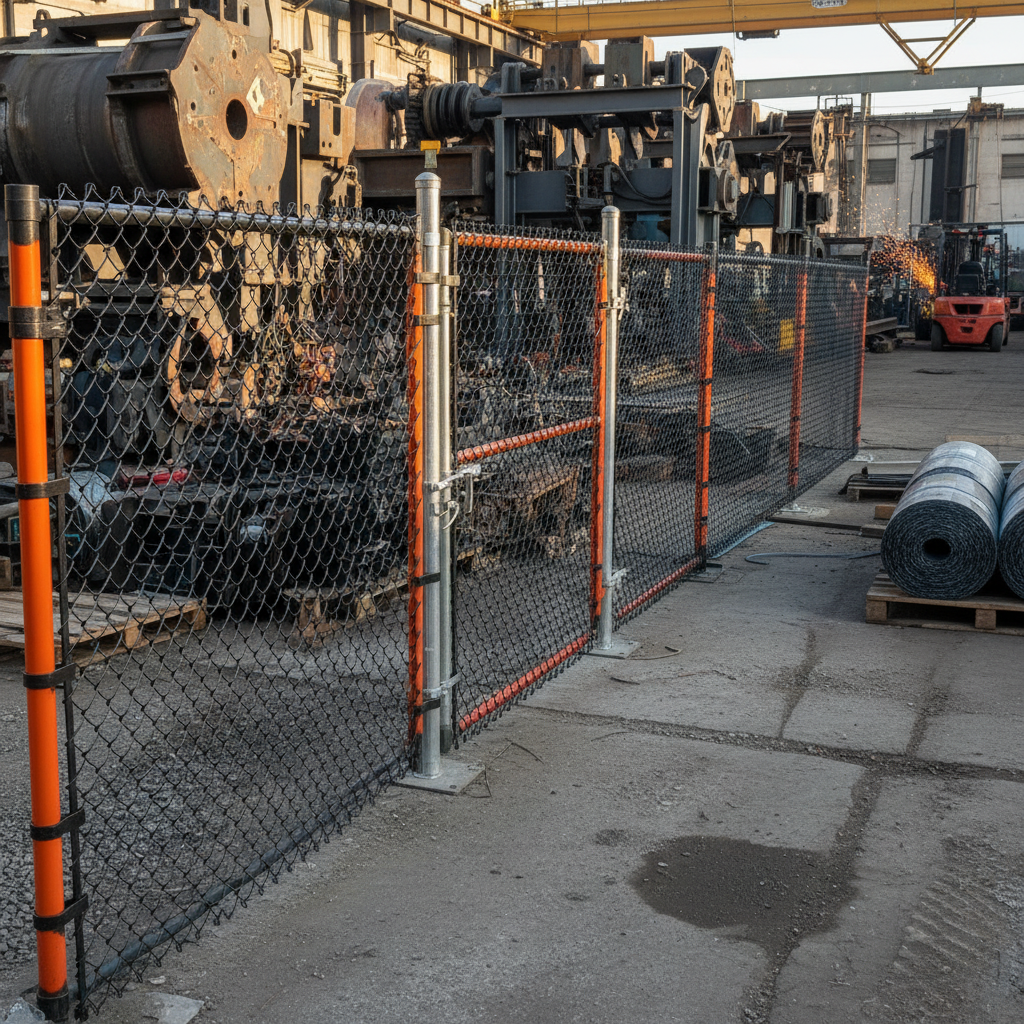
You see black chain link everywhere. Industrial facilities use it to secure perimeters and control access. Schools and parks utilize it to create safe play areas and separate different zones. I've put up a lot of fencing around construction sites to keep unauthorized personnel out.
In post-disaster relief operations, it’s used to quickly establish temporary secure zones. I worked on a project after a hurricane where we installed miles of chain link to secure a staging area for emergency supplies. It's a robust and rapidly deployable option. In remote industrial zones, like mining operations, black chain link provides a visible and secure boundary.
Long-Term Benefits and Value Proposition
The upfront cost of black chain link fence installation is often lower than other fencing options, like solid wood or ornamental iron. But the real value comes from its longevity and low maintenance requirements. A properly installed fence can last for decades with minimal upkeep.
Beyond cost savings, there’s the peace of mind that comes with knowing your property is secure. A well-maintained fence deters trespassers and provides a clear visual boundary. It also enhances the overall aesthetic appeal of a property, especially when using the black vinyl-coated option. It’s a solid investment that delivers both practical and aesthetic benefits.
Future Trends and Innovations
We’re seeing a growing demand for smart fencing solutions, integrating features like motion sensors and cameras directly into the chain link system. This provides an added layer of security and remote monitoring capabilities.
There’s also research into more durable and environmentally friendly coating materials. Manufacturers are exploring alternatives to traditional vinyl coatings that offer better UV resistance and reduce environmental impact. Automation in the installation process is another trend, with robotic systems being developed to speed up post setting and fabric tensioning. black chain link fence installation is constantly being improved.
The integration of sustainable materials and practices will become increasingly important as demand for environmentally responsible construction solutions grows. We're also seeing a rise in hybrid systems, combining chain link with other materials like barbed wire or razor ribbon for enhanced security in high-risk areas.
A Summary of Common Black Chain Link Fence Installation Challenges and Solutions
| Challenge |
Impact Severity (1-5) |
Solution |
Implementation Cost (1-5) |
| Improper Post Depth |
4 |
Soil analysis & Adherence to local frost line regulations. |
2 |
| Insufficient Fabric Tension |
5 |
Use of a chain link stretcher & Experienced installer. |
3 |
| Corrosion in Coastal Areas |
3 |
Aluminum or Vinyl-Coated Chain Link Fabric & Posts. |
4 |
| Inadequate Gate Support |
4 |
Reinforced gate posts & Proper hinge selection. |
2 |
| Poor Material Quality |
5 |
Sourcing materials from reputable suppliers. |
1 |
| Lack of Local Code Compliance |
4 |
Thorough review of local building codes & Permit acquisition. |
2 |
FAQS
With proper installation and maintenance, a black chain link fence can easily last 20-30 years, even longer in moderate climates. Using high-quality galvanized steel or vinyl-coated materials significantly extends its lifespan. Regular inspection for rust and damage, along with occasional cleaning, can also contribute to longevity. I've seen fences still standing strong after 40 years with diligent care, proving the durability of this system.
The gauge, or thickness, of the wire directly impacts the fence's resistance to cutting and breaking. A lower gauge (thinner wire) is more susceptible to damage. For higher security applications, a heavier gauge (9-gauge or lower) is recommended. It may cost more upfront, but it provides a significantly stronger barrier and peace of mind. It’s a common mistake to save a few dollars on the fabric, only to regret it later.
Sagging typically results from insufficient tension during installation, inadequate post spacing, or ground settling. Properly stretching the fabric with a chain link stretcher is critical. Using appropriate post spacing and ensuring the posts are deeply and securely set in concrete also prevents sagging. Regular inspection and re-tensioning can address minor sagging before it becomes a major issue.
For many applications, absolutely. The black vinyl coating not only enhances the aesthetic appeal but also provides superior corrosion resistance, especially in coastal or heavily polluted environments. It also eliminates the need for painting and offers a longer lifespan. While it is more expensive upfront, the reduced maintenance and extended longevity often justify the investment.
Permit requirements vary significantly depending on your location and the height of the fence. Generally, you’ll need a permit for fences exceeding a certain height (often 6 feet) and in some cases, for any fence that alters property lines. It’s crucial to check with your local building department before starting any installation to ensure you comply with all regulations.
Post spacing is a fundamental aspect of fence stability. Closer spacing provides greater support and prevents sagging, especially in areas with high wind loads or unstable soil. Generally, a maximum spacing of 8-10 feet is recommended, but this can vary based on terrain and fence height. Always consult local building codes and consider the specific conditions of your site.
Conclusion
Black chain link fence installation, while seemingly straightforward, is a multifaceted process. From selecting the right materials and adhering to local codes to ensuring proper tensioning and post setting, every detail matters. A well-executed installation delivers not just security, but also longevity, cost-effectiveness, and peace of mind. It’s an investment in protecting your property and ensuring lasting value.
Looking ahead, we’ll continue to see innovations in materials and smart fencing technology, enhancing the capabilities of this versatile system. But the fundamentals – a solid foundation, quality materials, and skilled installation – will always remain paramount. If you're considering a black chain link fence for your property, don’t hesitate to reach out to professionals who understand these nuances.
Visit our website: www.syswwiremesh.com.