Aluminum chain link fence offers a robust and versatile security solution with growing global importance. Increasingly utilized in diverse applications ranging from perimeter security for industrial facilities to creating safe zones in disaster relief scenarios, its lightweight nature, corrosion resistance, and ease of installation make it a preferred choice. Understanding its properties, applications, and future trends is crucial for professionals in security, construction, and humanitarian aid sectors. The demand for reliable and cost-effective security solutions continues to drive the adoption of aluminum chain link fence worldwide.
The global market for fencing, including aluminum chain link fence, is experiencing substantial growth, driven by increasing security concerns and infrastructure development, particularly in emerging economies. According to industry reports, the fencing market is projected to reach [insert statistic - e.g., $XX billion] by [insert year] with aluminum alloys representing a significant and expanding share. This growth is further fueled by the benefits aluminum offers—longevity, low maintenance, and aesthetic appeal—making it a sustainable and cost-effective alternative to traditional materials.
Addressing challenges related to security, safety, and infrastructure requires solutions that are both efficient and adaptable. aluminum chain link fence provides just such a solution, offering a secure and reliable barrier that can be tailored to meet specific needs. Its increasing popularity reflects a broader trend towards durable, low-maintenance infrastructure solutions in a world facing increasing environmental and security pressures.
Introduction to Aluminum Chain Link Fence
Aluminum chain link fence represents a modern evolution in perimeter security. Unlike its steel counterpart, aluminum offers significant advantages in terms of weight, corrosion resistance, and cost-effectiveness. This makes it particularly well-suited for a wide array of applications, from residential boundaries to high-security industrial sites. The growing demand reflects an understanding of the long-term benefits and sustainability of this material.
The inherent properties of aluminum—its strength-to-weight ratio and natural resistance to rust—contribute to the longevity and reduced maintenance costs associated with this type of fencing. Modern manufacturing techniques allow for precise weaving and robust construction, ensuring a secure and aesthetically pleasing barrier. The adaptability of aluminum chain link fence further enhances its appeal.
Defining Aluminum Chain Link Fence
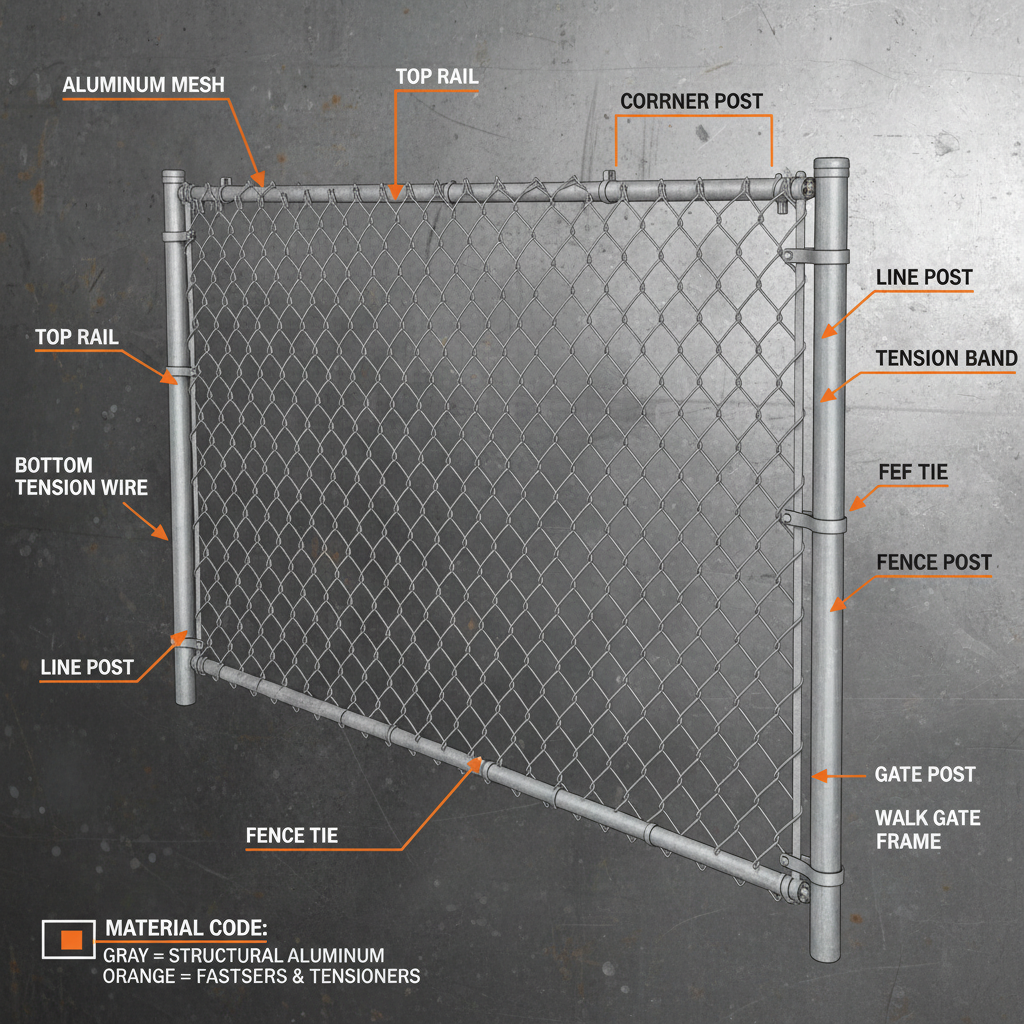
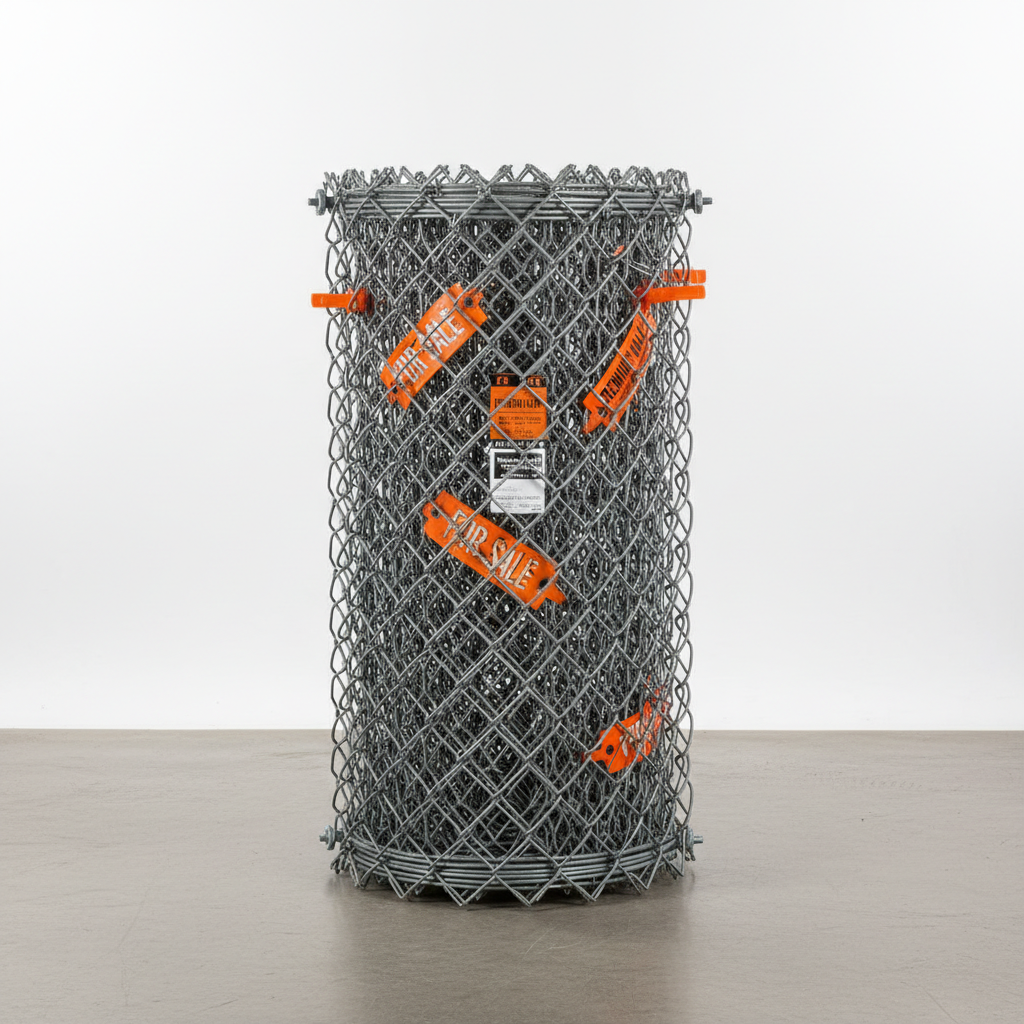
Aluminum chain link fence is a type of woven fencing constructed from interlocking aluminum wires, creating a diamond-shaped mesh pattern. It is a versatile security solution providing a visible deterrent while allowing for airflow and visibility. Its primary function is to define property lines, provide security, and control access.
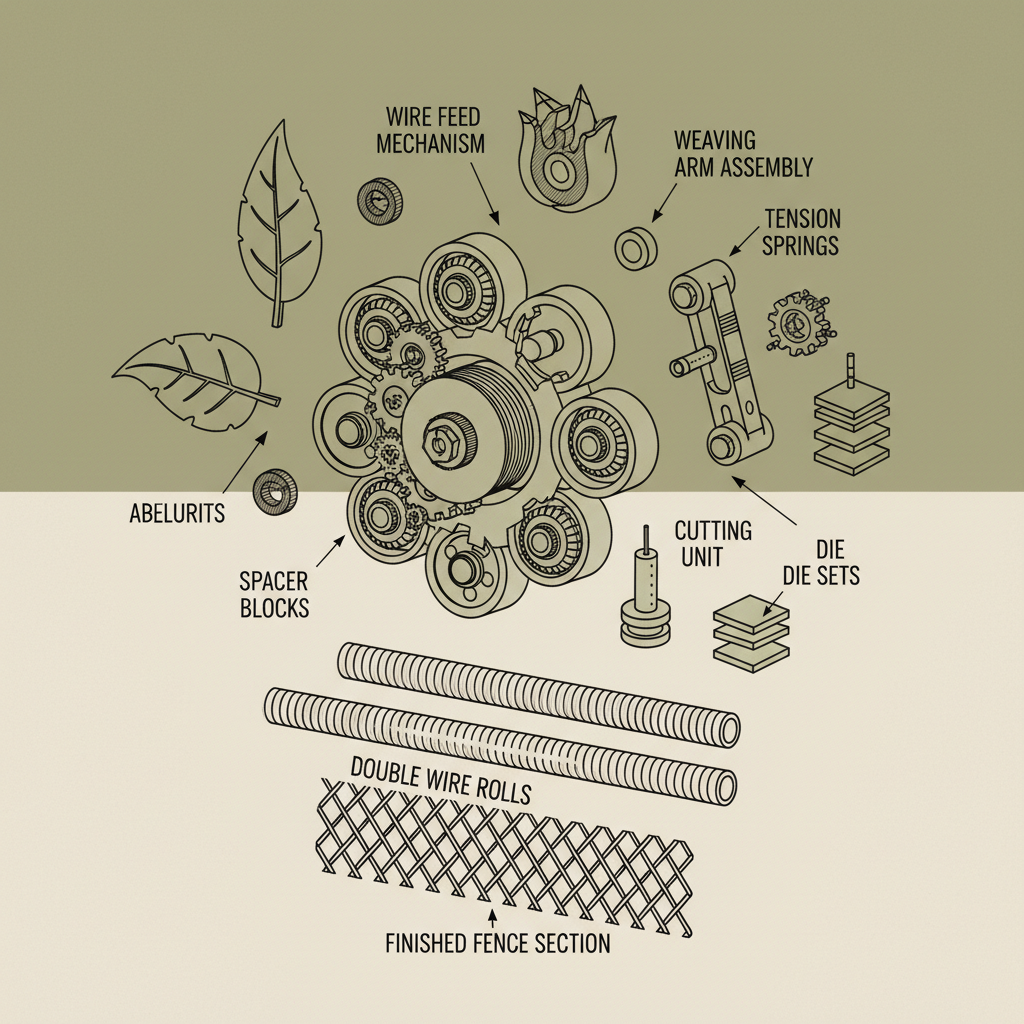
This fencing system differs from traditional steel chain link in its material composition, resulting in a lighter weight and increased resistance to corrosion. The manufacturing process involves carefully weaving the aluminum wires to create a strong and durable mesh, available in various heights and gauges to suit different security needs.
The significance of aluminum chain link fence extends beyond mere perimeter control. In modern industry, it's an integral part of safeguarding assets, ensuring employee safety, and maintaining public order. Its application is widespread, connecting it directly to the needs of communities and businesses alike.
Core Properties of Aluminum Chain Link Fence
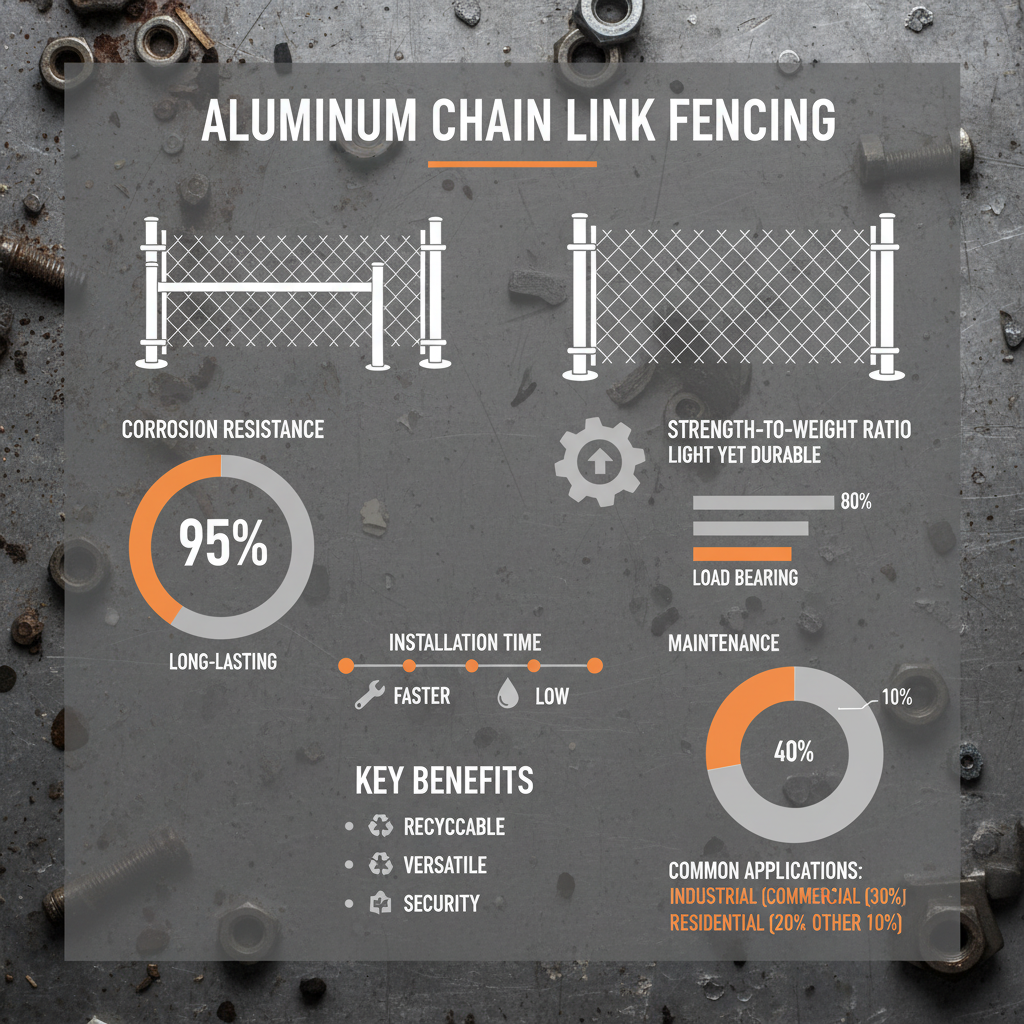
One of the key properties of aluminum chain link fence is its exceptional corrosion resistance. Unlike steel, which is prone to rust, aluminum forms a protective oxide layer when exposed to the air, preventing further degradation. This makes it ideal for use in coastal areas or environments with high humidity.
Another crucial attribute is its lightweight nature. Aluminum is significantly lighter than steel, making installation easier and requiring less support infrastructure. This can translate to substantial cost savings, particularly for large-scale projects. This ease of handling doesn’t compromise structural integrity.
Durability is also paramount. While lighter than steel, aluminum chain link fence is surprisingly strong and capable of withstanding considerable stress. Modern aluminum alloys offer enhanced tensile strength, ensuring a robust and long-lasting barrier. Properly installed, it will serve for years.
Practical Applications of Aluminum Chain Link Fence
Aluminum chain link fence finds diverse applications in residential, commercial, and industrial settings. It is commonly used to secure backyards, swimming pools, and gardens, providing both privacy and safety. Its visibility also adds a deterrent effect against trespassers.
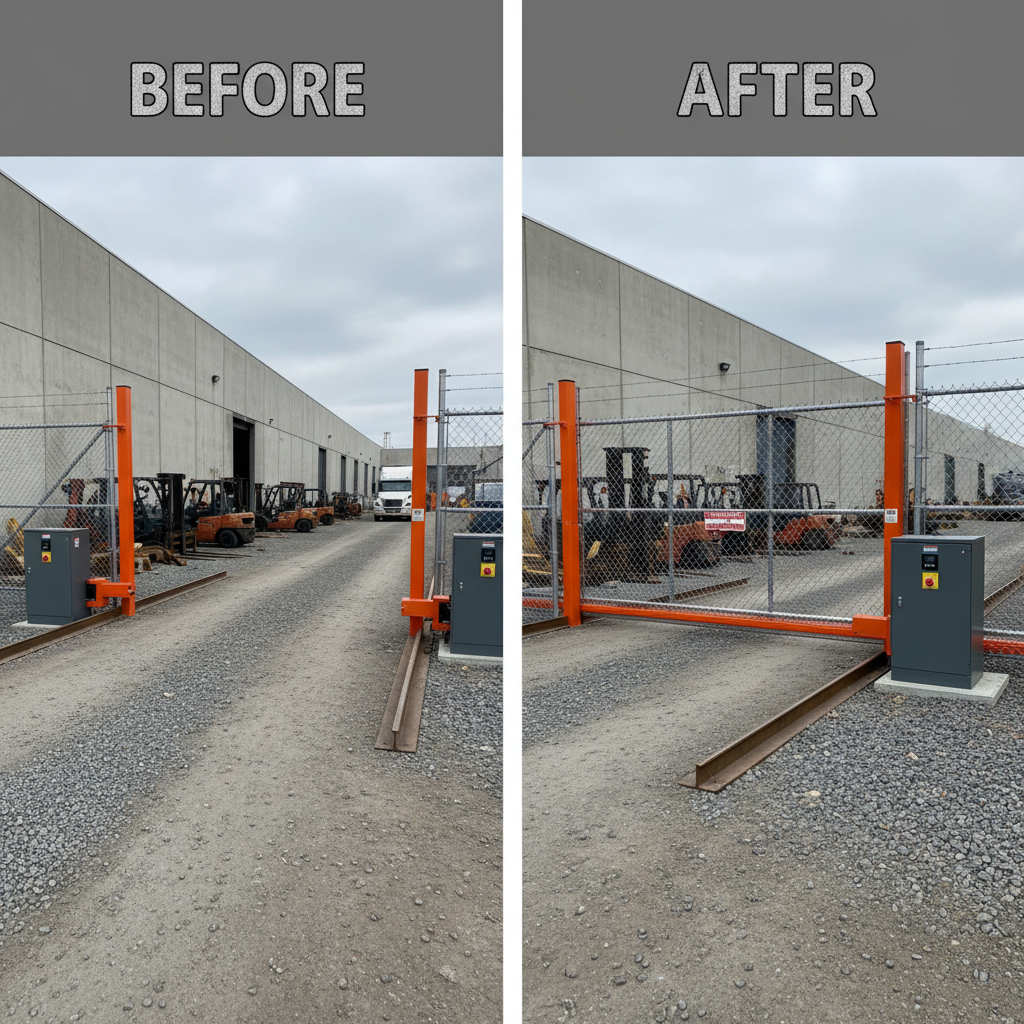
In commercial and industrial environments, it serves as a robust perimeter security solution for warehouses, factories, and construction sites. It effectively protects valuable assets, prevents unauthorized access, and enhances overall site security. Often coupled with access control systems.
Aluminum Chain Link Fence Performance Metrics
Global Applications and Use Cases
In post-disaster relief operations, aluminum chain link fence is frequently deployed to establish secure perimeters around aid distribution centers and temporary shelters. Its lightweight nature and ease of installation make it ideal for rapid deployment in challenging environments.
In remote industrial zones, such as mining operations and oil and gas facilities, it provides crucial perimeter security, protecting valuable equipment and personnel from unauthorized access and potential threats. The corrosion resistance is vital in harsh environments.
Advantages and Long-Term Value
The advantages of aluminum chain link fence are numerous. Beyond the previously mentioned corrosion resistance and lightweight nature, it offers a lower total cost of ownership compared to steel, due to reduced maintenance requirements. Its aesthetic appeal is also a benefit for many residential and commercial applications.
The long-term value lies in its durability and longevity. A properly installed aluminum chain link fence can last for decades, providing a reliable security solution with minimal upkeep. This minimizes lifecycle costs and reduces the need for frequent replacements, offering a sustainable and economical choice.
From a social impact perspective, it provides a sense of security and peace of mind for property owners and communities. This contributes to a safer and more secure environment, enhancing quality of life.
Future Trends and Innovations
Future trends point towards the development of even more advanced aluminum alloys with enhanced strength and corrosion resistance. Integration with smart technologies, such as sensors and automated gate systems, will further enhance security capabilities.
Sustainability is also a key focus. Manufacturers are increasingly adopting eco-friendly production processes and utilizing recycled aluminum to minimize environmental impact. The focus on circular economy principles will drive innovation in material usage and waste reduction.
Digital transformation will also play a role, with the use of AI-powered surveillance systems integrated with the fencing infrastructure to provide real-time threat detection and automated responses.
Challenges and Solutions
One challenge associated with aluminum chain link fence is its relatively lower tensile strength compared to high-carbon steel. However, this can be mitigated by using thicker gauge wires and incorporating reinforced posts. Proper installation techniques are also critical.
Another potential limitation is the cost of aluminum, which can fluctuate based on market conditions. However, the long-term cost savings due to reduced maintenance often offset the initial investment. Exploring alternative alloy compositions can also help optimize cost-effectiveness.
Finally, ensuring proper grounding is essential to prevent electrical hazards, particularly in areas prone to lightning strikes. Implementing appropriate grounding systems and adhering to industry safety standards are crucial for mitigating this risk.
Table Summarizing Aluminum Chain Link Fence Installation and Maintenance Factors
| Installation Complexity |
Maintenance Frequency |
Cost of Repairs |
Expected Lifespan (Years) |
| Medium |
Low |
$50 - $150 |
20-30 |
| Medium-High (Uneven Terrain) |
Very Low |
$75 - $200 |
25-35 |
| Low (Flat Terrain) |
Minimal |
$25 - $100 |
15-25 |
| Medium |
Low |
$100 - $300 |
30-40 |
| High (Complex Design) |
Medium |
$150 - $400 |
20-30 |
| Medium |
Very Low |
$50 - $150 |
25-35 |
FAQS
Aluminum chain link fence offers significant advantages over steel, primarily its corrosion resistance. Unlike steel, aluminum won’t rust, making it ideal for coastal or humid environments. It's also lighter, simplifying installation and reducing infrastructure costs. While steel may initially be stronger, modern aluminum alloys provide comparable strength for many applications, and the long-term maintenance savings of aluminum often outweigh the initial cost difference.
The gauge of the aluminum wire directly correlates to the security level. A lower gauge number indicates a thicker wire, providing greater strength and resistance to cutting or climbing. For high-security applications, a lower gauge wire (e.g., 9 gauge) is recommended. For residential applications, a higher gauge wire (e.g., 11 or 12 gauge) may suffice, balancing cost with adequate security.
Yes, aluminum is a highly recyclable material, making aluminum chain link fence a relatively environmentally friendly option. Recycling aluminum requires only 5% of the energy used to produce new aluminum, significantly reducing its carbon footprint. Many manufacturers now utilize recycled aluminum in their production processes, further enhancing its sustainability.
With proper installation and minimal maintenance, an aluminum chain link fence can last for 20 to 30 years, or even longer. Its corrosion resistance contributes to its longevity, preventing the deterioration commonly seen with steel fences. Regular cleaning to remove dirt and debris can further extend its lifespan.
Absolutely! Powder coating is highly recommended for aluminum chain link fence. It provides an additional layer of protection against corrosion and weathering, while also allowing for a wide range of color options to enhance its aesthetic appeal. Powder coating also improves the fence’s resistance to scratches and UV damage.
The initial cost of aluminum chain link fence may be slightly higher than some other materials like vinyl or lower-gauge steel. However, considering its longevity, low maintenance requirements, and resistance to corrosion, the total cost of ownership is often lower. Aluminum eliminates the recurring expense of rust treatment and repainting associated with steel, making it a cost-effective long-term investment.
Conclusion
Aluminum chain link fence presents a compelling solution for a wide range of security and containment needs. Its unique blend of durability, corrosion resistance, and cost-effectiveness makes it a preferred choice for residential, commercial, and industrial applications. Understanding its properties and benefits is essential for making informed decisions about perimeter security.
Looking ahead, continued innovation in aluminum alloys and smart fencing technologies will further enhance the capabilities and value of this versatile material. Choosing aluminum chain link fence is not merely a security measure, but an investment in long-term durability, sustainability, and peace of mind.