Chain link fence, a ubiquitous security solution, extends far beyond simple perimeter control. The enduring relevance of the best chain link fence lies in its adaptability, cost-effectiveness, and inherent strength. Globally, it’s a cornerstone of infrastructure protection, from securing industrial sites to delineating residential boundaries. Understanding the nuances of chain link fence—material composition, gauge, coating, and installation—is critical for maximizing its lifespan and security capabilities.
The demand for reliable fencing solutions is consistently high, driven by increasing concerns around security, property protection, and safety regulations. Market analysis indicates a growing need for durable and long-lasting best chain link fence options, particularly in developing nations undergoing rapid infrastructure expansion. The United Nations estimates that secure perimeters are vital for refugee camps and disaster relief efforts, highlighting a humanitarian application of this fundamental fencing type.
Choosing the right chain link fence involves considering specific environmental conditions, security threats, and budgetary constraints. Properly specified and installed, chain link fencing provides an exceptional return on investment, providing decades of reliable security and peace of mind. This makes the best chain link fence a consistently sought-after solution across diverse applications.
Defining the Best Chain Link Fence
The "best" chain link fence isn’t a one-size-fits-all solution. It’s defined by a combination of factors: material quality, gauge (thickness of the wire), coating type, and proper installation techniques. A best chain link fence is one that demonstrably withstands its intended environment and provides long-term security without significant maintenance.
Ultimately, the best chain link fence provides optimal security and longevity for a specific purpose. Whether it's a high-security perimeter around a critical infrastructure facility or a simple boundary fence for a residential property, understanding these key characteristics is crucial for making an informed decision.
Global Relevance and Industry Context
Chain link fencing is a global standard for security. From securing airports and government facilities to protecting industrial parks and residential areas, its versatility and cost-effectiveness make it a preferred choice worldwide. According to the American Fence Association, the fencing industry contributes billions to the global economy annually, with chain link remaining a significant market share.
The demand for robust perimeter security is continuously increasing, driven by geopolitical instability, rising crime rates, and the need to protect critical infrastructure. This sustained demand underpins the enduring relevance of best chain link fence options and drives innovation in materials and installation techniques.
Specifically, in regions experiencing rapid growth, like Southeast Asia and parts of Africa, the need for affordable and reliable fencing solutions is exceptionally high. Chain link’s adaptability to varied terrains and its relatively quick installation process make it an ideal choice for these environments.
What Constitutes the Best Chain Link Fence?
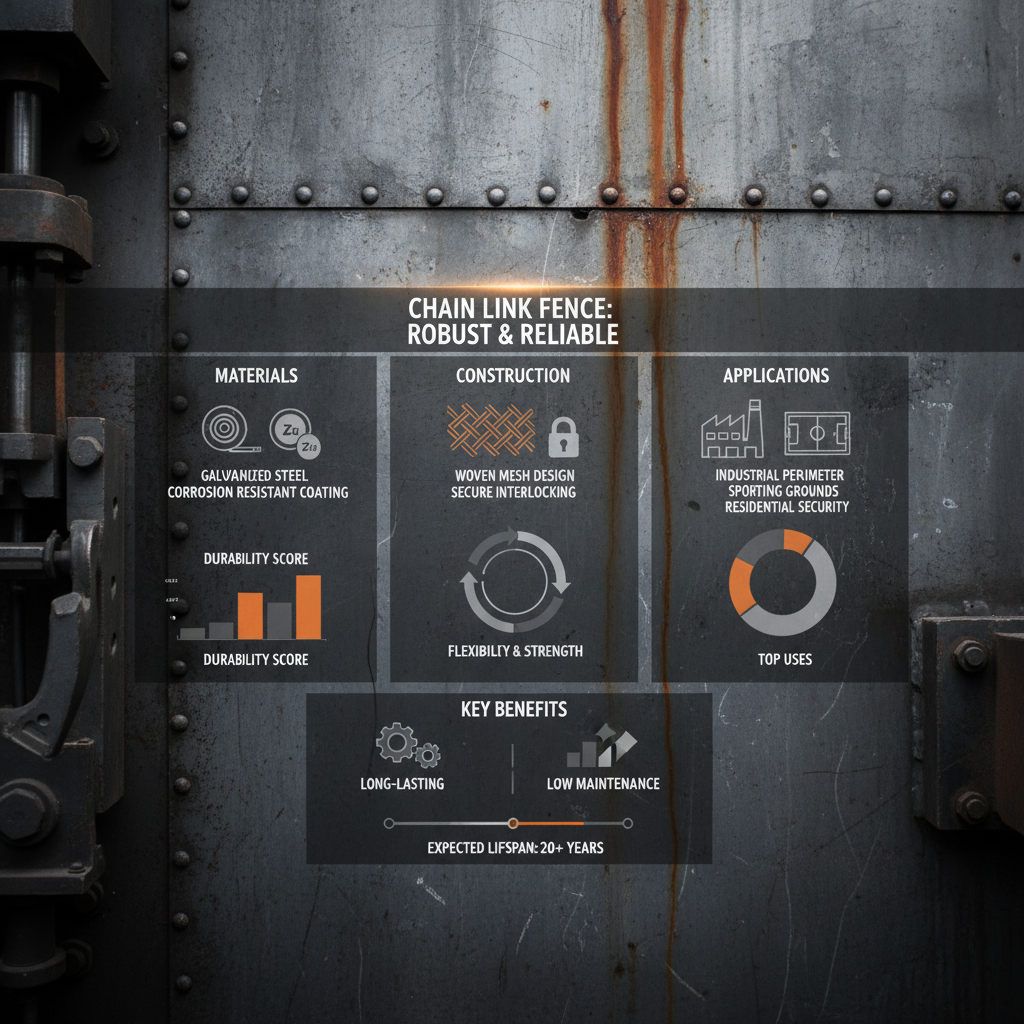
Determining the "best" chain link fence requires a nuanced understanding of its components. The gauge of the wire – typically ranging from 6 to 11.5 – is paramount. Lower gauge numbers indicate thicker wire, providing greater strength and durability. The quality of the galvanization, whether it’s hot-dipped or electro-galvanized, significantly impacts corrosion resistance.
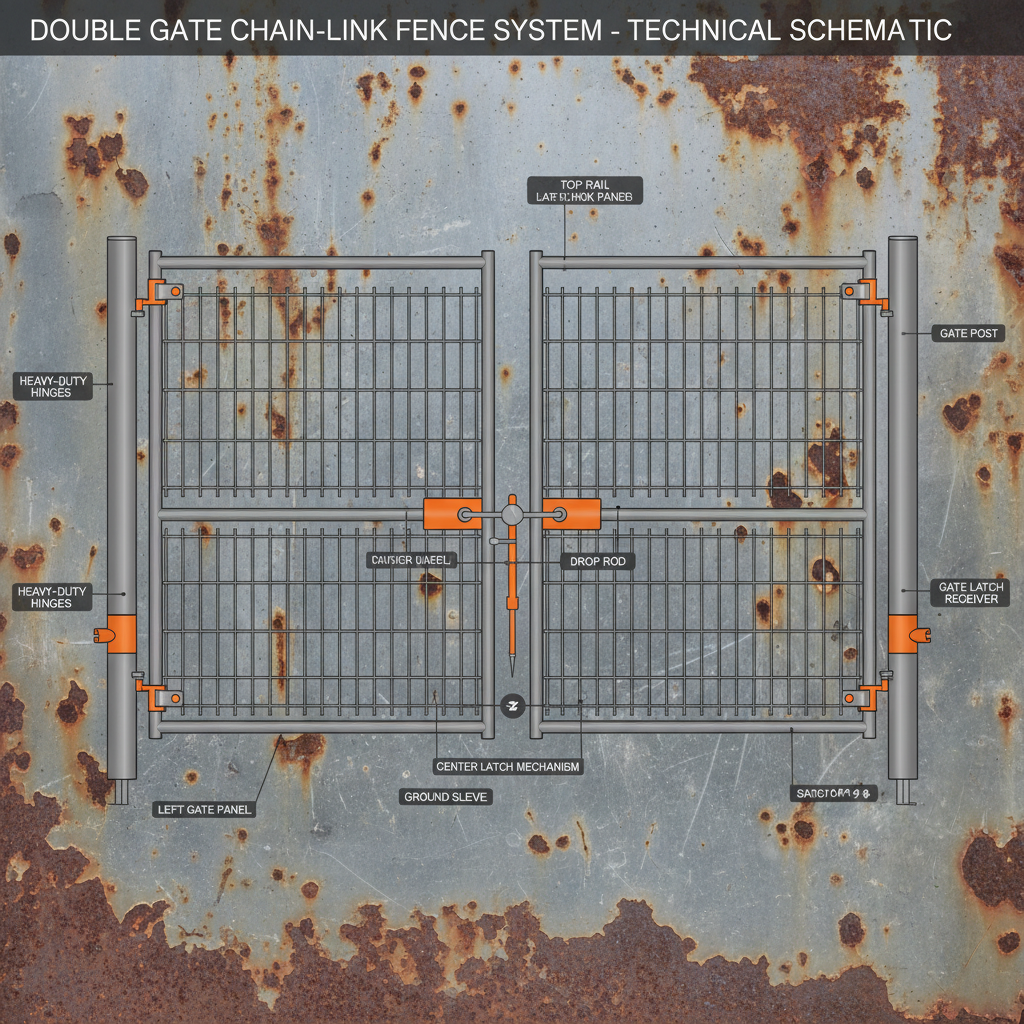
Beyond the wire itself, the framework posts (terminal, line, and gate) and the fitting hardware (tension bands, brace bands, and ties) must be equally robust. Using heavier-duty posts and high-quality hardware ensures the fence can withstand wind loads, impacts, and attempted breaches. A properly installed best chain link fence will have appropriately spaced posts and correctly tightened tension wire.
Finally, consider the coating. Vinyl-coated chain link fence offers enhanced aesthetics and additional corrosion protection, extending the fence’s lifespan and reducing maintenance requirements. However, even uncoated galvanized chain link can provide decades of service with proper care and maintenance.
Core Components of Superior Chain Link Fencing
Several key aspects contribute to a superior chain link fence system. Durability, stemming from the wire gauge and coating, is foundational. Scalability, referring to the fence's ability to adapt to varying terrain and site requirements, is equally crucial.
Cost-efficiency is another pivotal element; the best chain link fence delivers long-term security without exorbitant upfront or ongoing expenses. Installation quality also impacts performance. Finally, compliance with local building codes and regulations is essential for legal and safety reasons.
Best Chain Link Fence Component Importance
Real-World Applications of Best Chain Link Fence
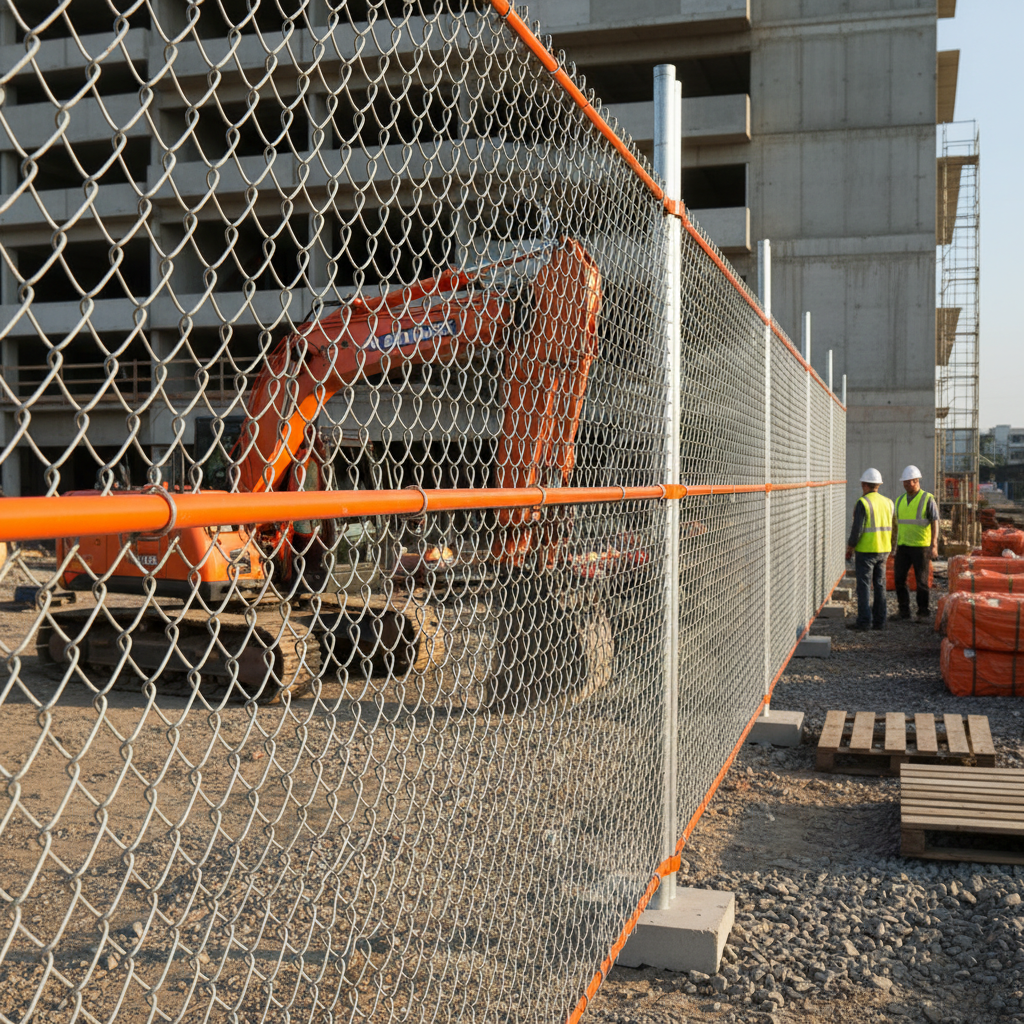
The applications of best chain link fence are incredibly diverse. Industrial facilities utilize it for secure perimeter control, safeguarding valuable assets and preventing unauthorized access. Schools and playgrounds employ it to create safe and defined boundaries for students.
In post-disaster relief operations, chain link fencing is rapidly deployed to establish temporary shelters, secure aid distribution points, and define safe zones. In remote industrial zones, particularly in mining or oil and gas operations, it provides essential security in challenging environments.
Long-Term Value and Advantages
The long-term value of a well-constructed chain link fence lies in its durability, low maintenance requirements, and cost-effectiveness. Compared to other fencing materials like wood or wrought iron, chain link typically requires less frequent repairs and replacements, reducing lifecycle costs.
Beyond the tangible financial benefits, chain link fencing enhances security and provides peace of mind. The visual deterrent alone can discourage potential intruders. It contributes to a sense of safety and well-being within the protected area.
Future Trends in Chain Link Fence Technology
Innovation in chain link fencing is focused on enhancing durability, aesthetics, and security features. Developments in polymer coatings are increasing corrosion resistance and extending the lifespan of the fence. Smart fencing systems, incorporating sensors and alarms, are gaining traction, providing real-time security monitoring.
Furthermore, there’s a growing emphasis on sustainable manufacturing practices, utilizing recycled materials and reducing the environmental impact of production. The integration of digital technologies, such as remote monitoring and predictive maintenance, will further optimize the performance and lifespan of best chain link fence systems.
We can anticipate new alloys offering even greater strength-to-weight ratios and advanced locking mechanisms that enhance resistance to cutting and climbing.
Key Attributes of Chain Link Fence Quality
| Material Composition |
Coating Type & Thickness |
Installation Quality |
Long-Term Durability Score (1-10) |
| Galvanized Steel |
Hot-Dip Galvanization (Standard) |
Professional Installation with Correct Tension |
7 |
| Galvanized Steel |
Vinyl Coating (Heavy Duty) |
Professional Installation with Concrete Footings |
9 |
| Aluminum Alloy |
Powder Coating (UV Resistant) |
DIY Installation (Basic) |
5 |
| Stainless Steel |
None (Naturally Corrosion Resistant) |
Professional Installation with Seismic Considerations |
10 |
| Low Carbon Steel |
Electro-Galvanization (Limited Protection) |
Quick DIY Installation (Minimal Support) |
4 |
| Galvanized Steel |
Polyester Coating (Medium Protection) |
Professional Installation, Regular Maintenance |
8 |
FAQS
A properly installed and maintained chain link fence, especially one utilizing hot-dipped galvanized or vinyl-coated steel, can easily last 20-30 years, and sometimes even longer. Factors like climate, soil conditions, and regular maintenance significantly influence lifespan. Choosing the right gauge of wire and a durable coating are key to maximizing longevity.
Galvanized chain link is coated with zinc to prevent rust. Vinyl-coated chain link has an additional layer of PVC coating over the galvanization. Vinyl coating provides superior corrosion resistance, a more aesthetically pleasing finish, and reduces noise. However, vinyl-coated options are generally more expensive upfront.
Chain link fence requires relatively little maintenance. Regularly inspect for damaged or loose wires, and address any rust spots promptly. If the fence is in a coastal environment or exposed to harsh chemicals, more frequent inspection and cleaning are recommended. Annual tightening of tension wires is also a good practice.
For enhanced security, a lower gauge wire is recommended—typically 9 or 11.5 gauge. Thicker wire is significantly more difficult to cut or break, providing a greater deterrent to intruders. Consider pairing a lower gauge wire with sturdy posts and secure gate hardware.
Yes, chain link fence can be adapted to sloped terrain. Professional installers use techniques such as stepped posts and varying fence heights to follow the contour of the land, ensuring a secure and visually appealing installation. Proper tensioning is crucial on slopes to prevent sagging.
Local regulations regarding fence height, setback requirements, and permitting vary widely. It's essential to check with your local planning and zoning department before installing any fencing. Failure to comply with local regulations can result in fines or the requirement to remove the fence.
Conclusion
In conclusion, the best chain link fence represents a compelling blend of affordability, durability, and versatility. Its global relevance stems from its adaptability to a wide range of applications, from securing industrial facilities to protecting residential properties. Understanding the core components – wire gauge, coating quality, and installation precision – is essential for maximizing its lifespan and effectiveness.
Looking ahead, innovations in materials and smart fencing technologies will further enhance the value and functionality of chain link fencing. Prioritizing quality materials and professional installation remains paramount. For reliable and long-lasting security solutions, visit our website at www.syswwiremesh.com.