You know, lately everyone's talking about prefabrication. Prefabrication, modular construction... It’s all the rage. Seems like every developer is scrambling to get in on it. To be honest, it's a bit overhyped. I was at a site in Shanghai last month, and they were trying to use prefabricated bathroom pods. Disaster. Didn’t fit the plumbing, the tiles were cracked… Anyway, I think there's good in it, but everyone needs to calm down a bit. It’s not a silver bullet, you know?
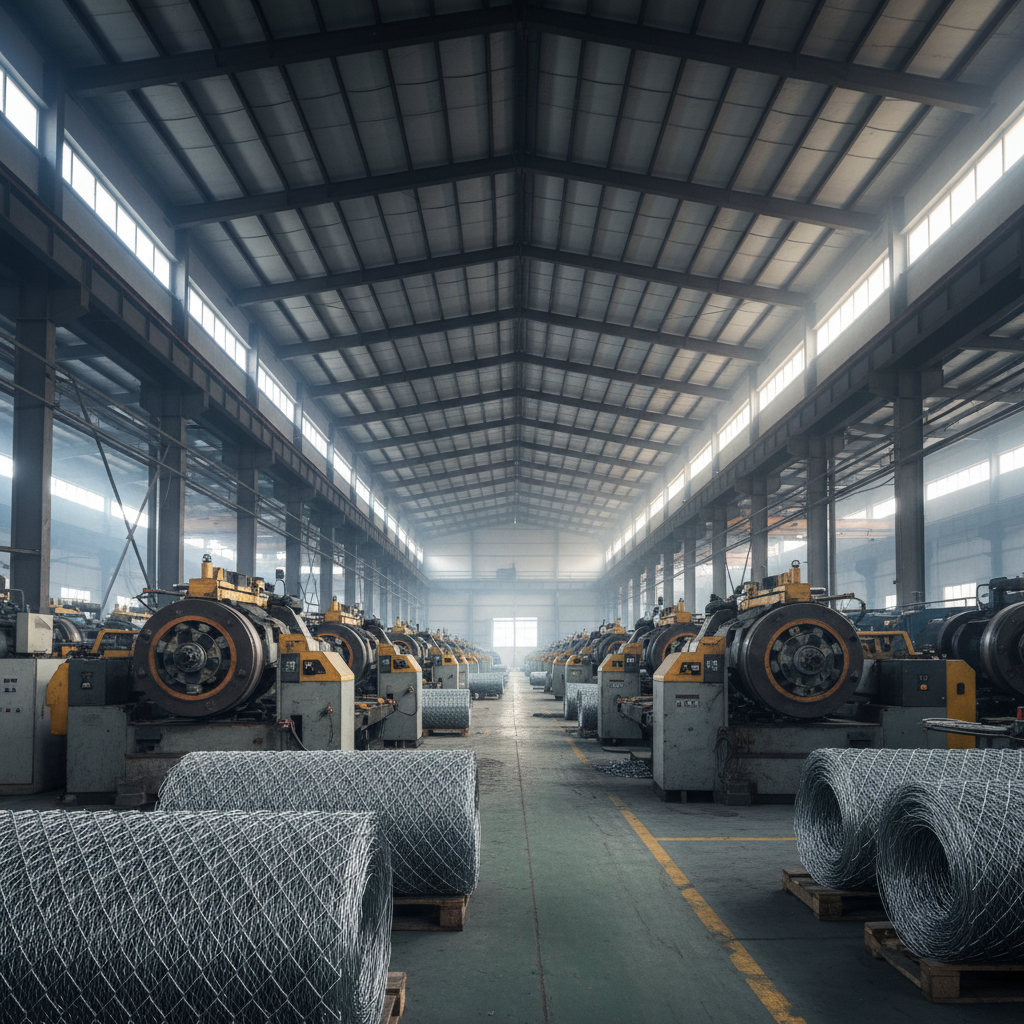
What really gets me are the designers. They sit in their offices, drawing up beautiful plans, completely detached from reality. They’ll specify some exotic material, thinking it looks good on paper. Have you noticed that? Then you get to the site, and it’s impossible to work with. Last year, I encountered this at a fence factory in Anhui, they specified this 'self-healing' polymer coating for the 358 fence panels. Sounded great, right? But the stuff was so sticky, it clogged the spray guns every five minutes. A nightmare.
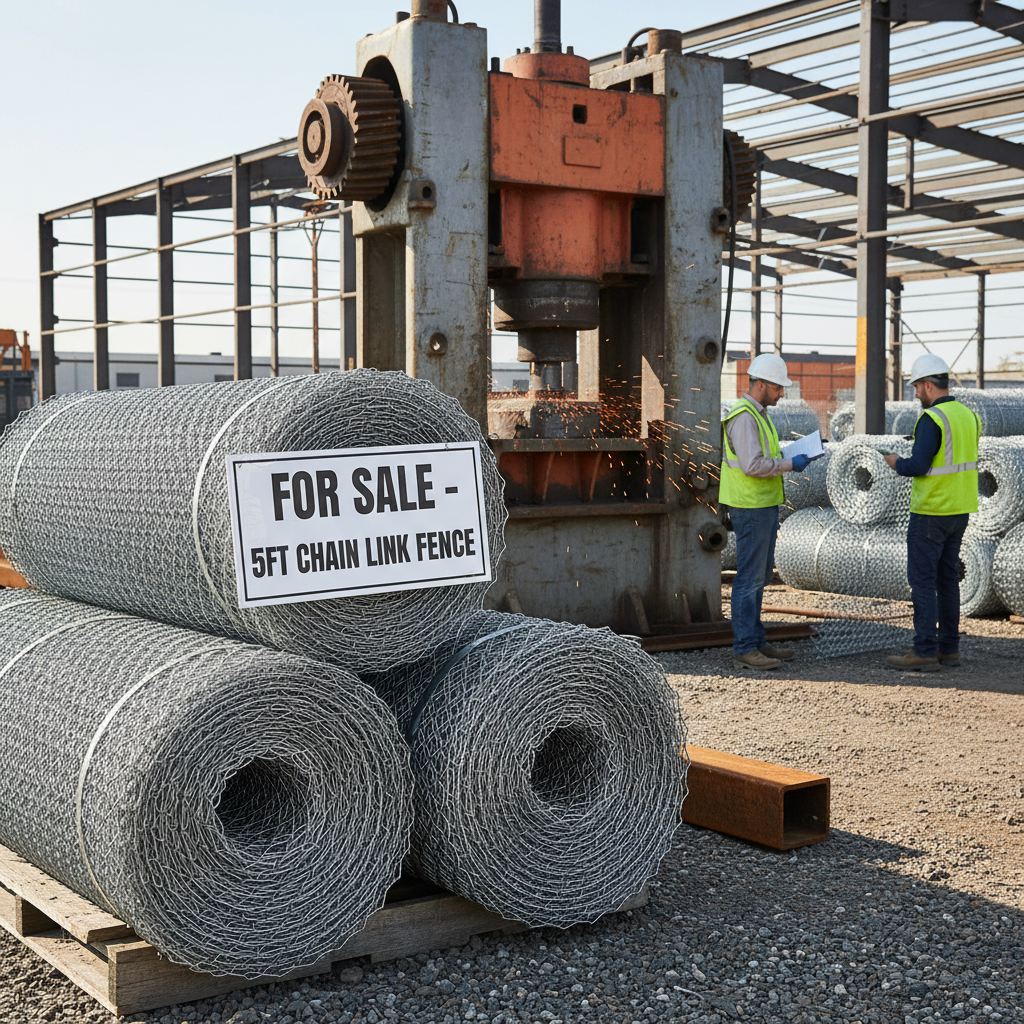
With 358 fence, especially, you’ve got to get the basics right. The steel itself is crucial. It's not just 'steel,' it's Q235 steel, and you can tell the good stuff. It’s heavier, feels…substantial. Smells faintly of the mill, that metallic tang. Cheap steel is light, brittle, and just gives you headaches down the line. And the welding, oh the welding! I’ve seen welds that looked pretty, but failed under the slightest stress. It’s all about penetration, consistent bead, no porosity. I’ve seen guys trying to cut corners, using lower amperage settings to save on power… Forget about it.
As I was saying, prefabrication is huge now. Everyone wants speed, efficiency, lower costs. But it's not always what it seems. Strangely, some of the biggest issues are with the details – the connection points, the seals, the small stuff that the designers don't even think about. I saw a project where they’d designed this complex interlocking system for the 358 fence panels, thinking it would be faster to install. It was anything but. Took twice as long because the tolerances were so tight, and everything had to be perfectly aligned. Later… Forget it, I won't mention it.
Another thing I’ve noticed is this obsession with aesthetics over functionality. Architects are pushing for thinner profiles, more minimalist designs… which looks great in the renderings, but compromises the structural integrity. A 358 fence needs to be robust, it needs to withstand force. You can’t just shave off a few millimeters here and there to make it look prettier.
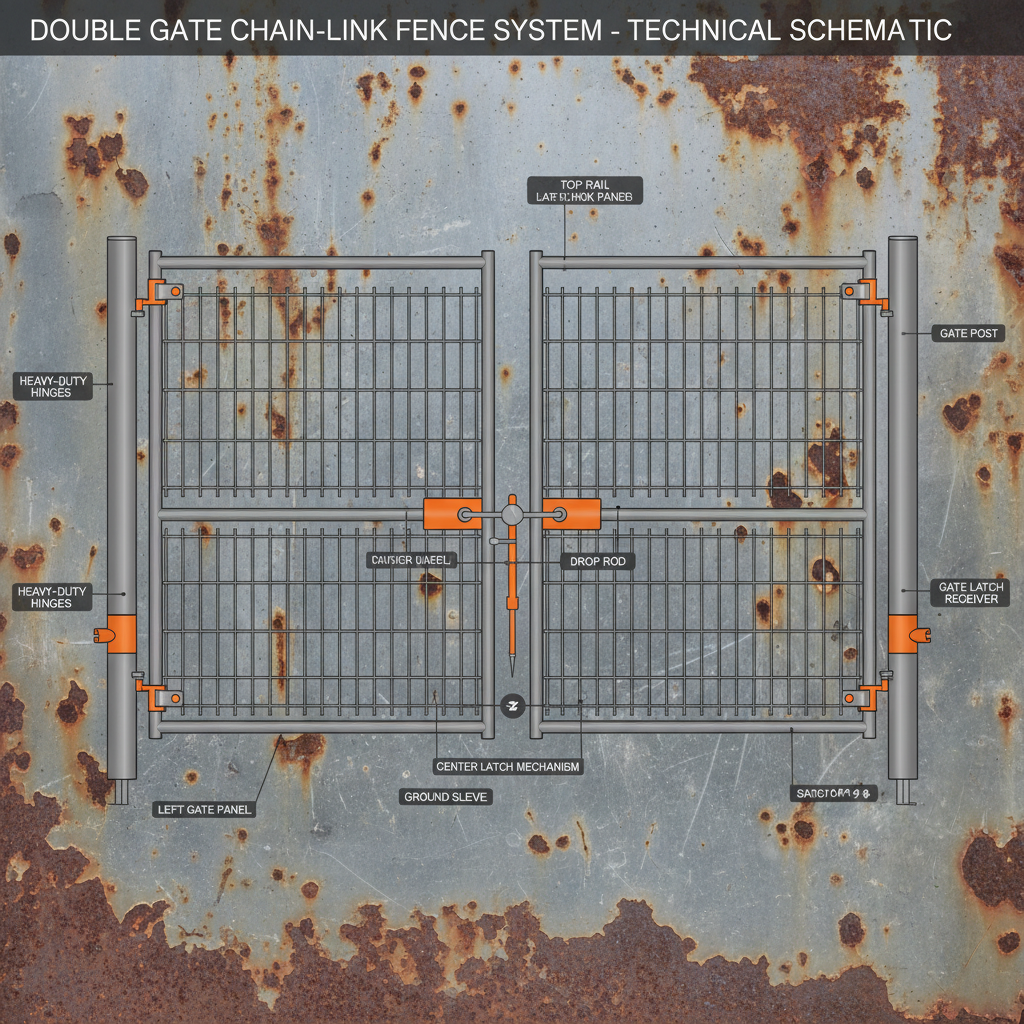
With proper galvanizing and powder coating, a 358 fence should easily last 15-20 years, even in coastal areas or industrial environments. We've seen installations over 25 years old still performing well. Regular inspections and touch-ups are key, of course. Don't forget to address any damage promptly – rust never sleeps!
Definitely insufficient post depth and inadequate concrete foundations. People try to save money on the foundations, and it always comes back to haunt them. The fence will lean, wobble, and eventually fall over. You need a solid base, especially in windy areas or soft soil. We usually recommend a minimum post depth of 600mm, with a concrete footing of at least 300mm in diameter.
It can be, but it requires careful planning and potentially custom fabrication. You'll need to use stepped panels or angled posts to follow the contours of the land. It's more expensive and labor-intensive than installing on flat ground, but it's achievable. We’ve done a few installations on very challenging sites, and the key is accurate surveying and precise cutting.
For high-security applications, we recommend a maximum post spacing of 2.4 meters. Closer spacing makes it more difficult to climb and cut through the fence. We also recommend using anti-climb brackets or razor wire to deter intruders. But remember, no fence is completely impenetrable. It’s about layering security measures.
We offer a wide range of powder coating colors, including green, black, grey, white, and custom colors to match your specific requirements. The powder coating not only provides aesthetic appeal but also adds an extra layer of corrosion protection. Just be aware that darker colors tend to absorb more heat, which could affect the longevity of the coating in hot climates.
Absolutely. We can fabricate custom height panels to meet your specific needs. We’ve done panels as low as 1.2 meters and as high as 3.6 meters. Just keep in mind that taller panels will require heavier gauge wire and stronger posts to ensure structural stability. There's usually a lead time for custom orders, so plan ahead.
So, 358 fence. It’s not glamorous, it’s not revolutionary, but it’s a solid, reliable security solution. It’s about getting the basics right – good steel, proper welding, a durable coating, and a solid foundation. It's about understanding the application and designing accordingly. Don’t get caught up in the hype, focus on quality and practicality.
Ultimately, whether this thing works or not, the worker will know the moment he tightens the screw. And if he's cursing under his breath, you've probably done something wrong. If he's nodding his head and saying "that's a good fence," then you've done it right. And if you need a good fence, you know where to find us: 358 fence factory.