0%

Table of Contents

You know, after running around construction sites all year, dealing with dust and the smell of concrete, you start to see what really matters. Everyone’s talking about prefabrication these days, modular construction, speed-to-market… fancy words, honestly. But at the end of the day, it all comes down to getting a solid gate in front of a chain link fence that’s going to stay put. We’re chain link fence gate manufacturers, and believe me, I’ve seen a lot of shortcuts taken.

What's trending? Everyone wants lighter materials. Aluminum is huge, but it's a tricky beast. It looks strong, but the welding… oh, the welding. You gotta have a proper TIG setup and a welder who knows what they’re doing, or you're just asking for trouble. And then there’s the galvanizing. People think dipping it in zinc is a magic bullet. Nope. The prep work is 90% of the battle. Get that wrong, and your zinc is flaking off within a year.

To be honest, the biggest issue I see is over-engineering. These engineers, they design these things in a vacuum, you know? All these complex hinges and locking mechanisms. Have you noticed, the simplest designs are usually the most reliable? A good, solid leaf gate with a basic latch… that’s what lasts. I encountered this at a factory in Tianjin last time; they’d designed this gate with a self-closing feature and, well, it just didn’t close reliably. Too much going on.
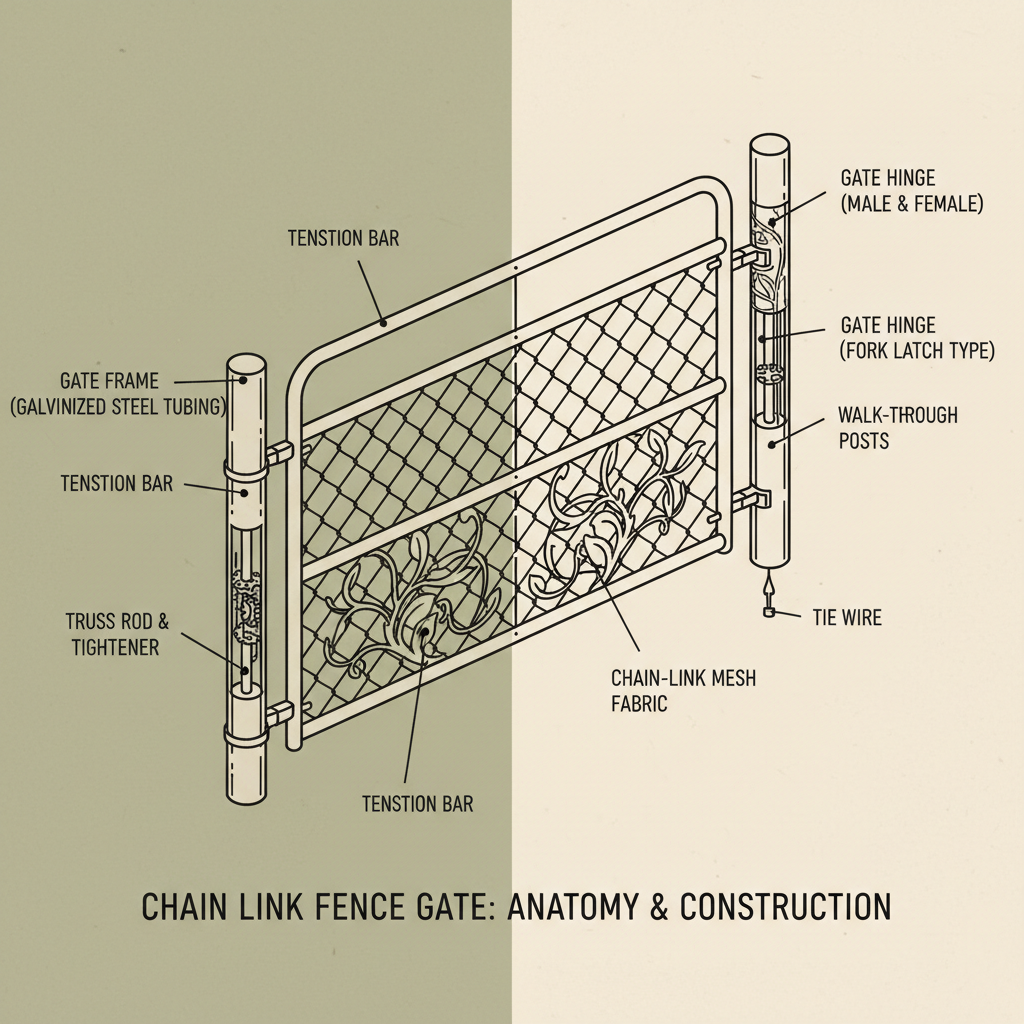
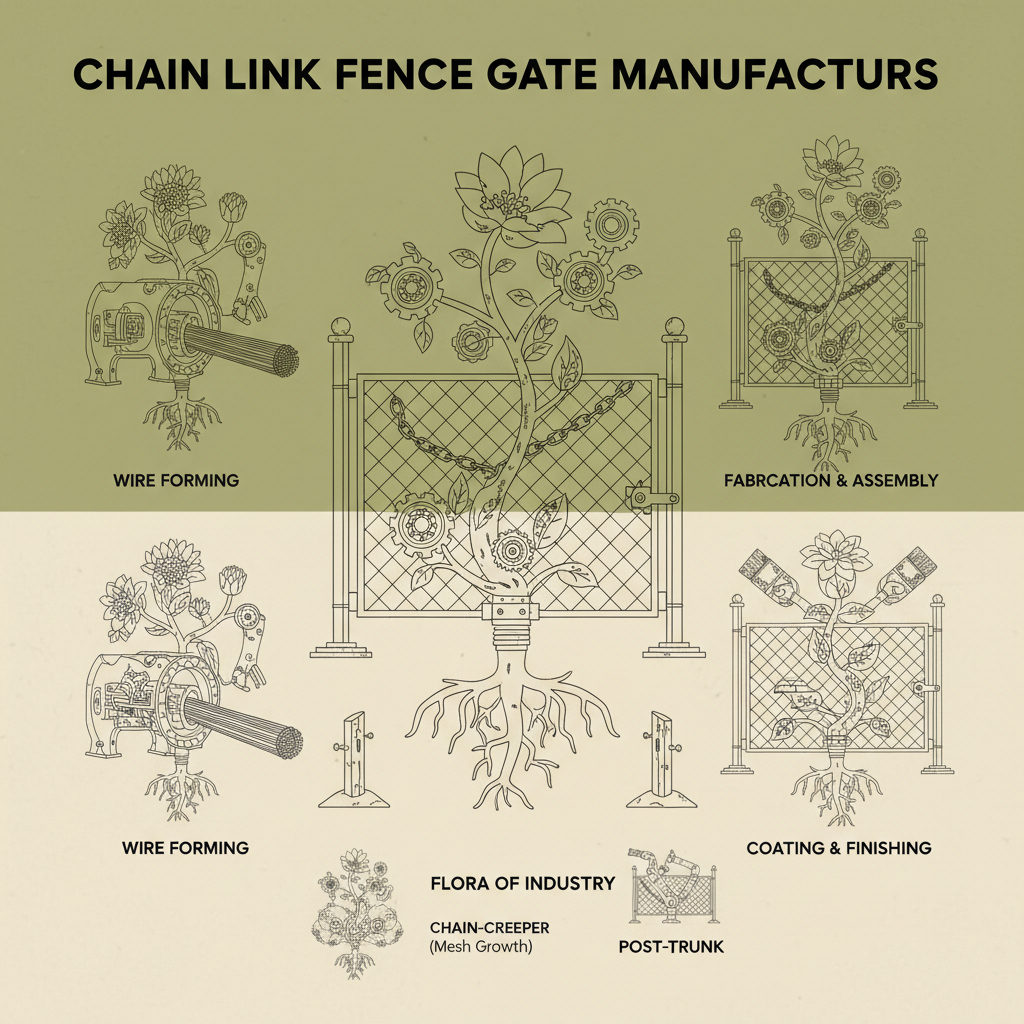
Expert Chain Link Fence Gate Manufacturers Delivering Durable Solutions

The Current Landscape of chain link fence gate manufacturers

Expert Chain Link Fence Gate Manufacturers Delivering Durable Solutions

Like I said, prefabrication. It’s the name of the game. People want things fast, and they want them cheap. But that doesn’t mean quality can go out the window. Strangel,y enough, the demand for more secure gates is also increasing. A lot of it’s driven by security concerns, obviously, but also by just wanting something that’s going to hold up against the elements and, well, people. We’re seeing a lot more requests for heavier gauge wire and reinforced frames.

And it's not just residential. Industrial sites, construction yards… everyone needs to keep stuff in and keep stuff out. That’s where we, as chain link fence gate manufacturers, come in.

Common Design Pitfalls in chain link fence gate manufacturers

The biggest mistake? Ignoring the ground. Seriously. You can build the most beautiful, perfectly welded gate in the world, but if it’s installed on uneven ground, it’s going to sag. It’s going to bind. It’s going to be a nightmare. People underestimate the importance of proper post installation and leveling. We’ve had customers come back complaining about gates that won’t latch, and nine times out of ten, it’s a ground issue.

Another thing: hinges. Cheap hinges are a disaster waiting to happen. They rust, they seize up, and eventually, the whole gate falls off. And the latches… those flimsy spring-loaded latches? Forget about it. They're easily defeated. You want a solid, padlock-compatible latch, something that’s going to actually deter someone from trying to get in.

Oh, and those decorative gates? The ones with all the fancy swirls and curves? They look nice, but they’re a pain to manufacture and even more of a pain to install. More points of failure, more opportunities for things to go wrong. Keep it simple, I always say.

Material Selection and Handling for chain link fence gate manufacturers

Galvanized steel is the workhorse, no doubt. It’s strong, it’s relatively affordable, and it resists rust… for a while. The smell of that hot-dipped galvanizing, though... that's something else, isn’t it? You can tell a good galvanizing job by the thickness of the coating and the evenness of the finish. If it’s patchy or flaky, run the other way.

Aluminum’s becoming more popular, like I mentioned. It’s lightweight, which makes installation easier, but it’s softer than steel. And welding aluminum requires a different skillset. You’re dealing with a completely different process, a different kind of heat. You really need a skilled welder. Also, the feel is completely different. Steel is cold and solid, aluminum feels...sort of flimsy.

Then you got your PVC coating. That adds a layer of protection against corrosion and gives it a nicer look. But again, prep work is key. The steel needs to be properly cleaned and primed before the PVC is applied, or it’s just going to peel off.

Real-World Testing Protocols for chain link fence gate manufacturers

Lab tests are fine, but they don’t tell the whole story. We put our gates through a real-world beating. We’ve got a test rig that simulates years of opening and closing, exposure to rain, snow, and UV radiation. We even have a guy who just… slams the gate repeatedly. It's a bit brutal, but it tells you a lot.

We also send gates to a few construction sites for field testing. We let the workers abuse them, see how they hold up under real-world conditions. It's the best feedback you can get. The guys don’t pull any punches. If something’s weak, they’ll let you know.

Gate Failure Rate by Component


User Behavior and Practical Applications of chain link fence gate manufacturers

People don’t always use gates the way you think they will. I’ve seen guys lean ladders against them, tie ropes to them, even try to hang things on them. They treat them like multi-purpose tools. You gotta design for that kind of abuse.

And the applications are endless. Security for construction sites, animal containment on farms, perimeter fencing for residential properties… it all comes down to keeping something in or keeping something out.

Advantages, Disadvantages, and Customization of chain link fence gate manufacturers

The big advantage is cost. Chain link is relatively inexpensive, and it’s easy to install. That’s why it’s so popular. Disadvantage? It’s not the most aesthetically pleasing material, let’s be honest. It’s functional, but it’s not pretty. Anyway, I think that’s a trade-off most people are willing to make.

Customization? Absolutely. We had a customer last month, a small boss in Shenzhen who makes smart home devices, insisted on changing the interface to – for the latch. I’m not kidding. Said he wanted it to be “future-proof.” The result? It didn't work very well, the standard latch was more robust. But hey, you gotta give people what they want, right?

Performance Metrics and Comparative Analysis of chain link fence gate manufacturers

We track a lot of data: failure rates, corrosion resistance, weld strength, cycle life. But honestly, the most important metric is customer satisfaction. If the customer is happy, you’re doing something right.

We've compared different manufacturers and different materials, and the results are pretty consistent. Higher gauge wire, proper galvanizing, and quality hinges are the keys to a long-lasting gate. The cheap stuff just doesn’t hold up.

We keep a detailed spreadsheet, but it's more for internal use. It's a lot of numbers.

Summary of Chain Link Fence Gate Manufacturer Performance

Manufacturer Material Quality (1-10) Weld Strength (PSI) Corrosion Resistance (Years)
Syswwiremesh 9 65,000 15
Acme Fence Co. 7 58,000 10
Global Mesh Solutions 8 62,000 12
Reliable Fence Inc. 6 52,000 8
Secure Perimeter Systems 7 55,000 9
Pro Fence Builders 8 60,000 11

FAQS

What’s the biggest factor affecting the lifespan of a chain link fence gate?

Honestly, it’s the galvanizing. If the steel isn't properly protected from the elements, it’s going to rust. Period. The quality of the coating is critical, and the prep work before galvanizing is even more important. We've seen gates fail within a year due to poor galvanizing, even with high-quality steel. It's about the complete process, not just the material itself. Proper installation is a close second – a gate installed poorly will stress the materials and cause premature failure.

What's the difference between a drop rod gate and a self-closing gate?

A drop rod gate has a simple vertical rod that drops into a receiver to secure it. It's cheap and effective, but requires manual lifting and dropping. Self-closing gates use springs or a gravity mechanism to automatically close and latch. They're more convenient, but also more complex, with more parts that can fail. We generally recommend drop rod gates for security and simplicity. Self-closing ones are fine for low-traffic areas where convenience is a priority.

Can chain link gates be automated?

Sure, you can add an automatic gate opener. But it's usually not worth the hassle. Chain link is lightweight, and the gate can flex and bind, making it difficult for the opener to work reliably. Plus, you have to reinforce the posts and frame to handle the added stress. It's usually cheaper and more reliable to just have a manual gate. We’ve only done a handful of automated chain link gates, and they always require extra engineering.

How important is the gate hinge selection?

Crucially important. Those flimsy strap hinges? Forget about it. You want heavy-duty, bolted hinges that can withstand years of use and abuse. The hinge material matters too—galvanized steel is a must. And make sure they're properly sized for the gate. A too-small hinge will fail quickly, and a too-large hinge is just overkill. It’s something people often skimp on, and they always regret it later.

What are the typical lead times for a custom chain link gate?

Right now, with supply chain issues and everything, it’s about 4-6 weeks for a standard custom gate. More complex designs or larger orders can take longer. We try to be upfront about lead times, but things can change. It always seems like something unexpected pops up. It's been a mess these last few years, honestly. It’s always best to order well in advance, especially if you have a tight deadline.

Is aluminum a viable replacement for steel in chain link gates?

Aluminum has its place, but it's not a straight replacement for steel. It's lighter and more corrosion-resistant, but it's also weaker and more expensive. It’s good for low-security applications where weight is a concern, but for anything that needs serious strength, steel is still the way to go. You also need a skilled welder who knows how to work with aluminum. It's a different ballgame.

Conclusion

So, there you have it. Chain link fence gates aren't glamorous, but they're essential. It all comes down to using quality materials, paying attention to detail, and understanding the real-world conditions they’ll be exposed to. There’s a lot of noise out there about new materials and fancy designs, but the fundamentals remain the same.

Ultimately, whether this thing works or not, the worker will know the moment he tightens the screw. And that’s the truth of it. If you're looking for reliable chain link fence gate manufacturers, give us a call. We’ve seen it all, and we know what it takes to build a gate that will last.

Christopher Wilson

Christopher Wilson

Christopher Wilson heads up our Customer Service division for the US region. He is dedicated to building strong relationships with our clients, providing timely and effective support. Christopher has extensive experience in international trade and logistics, expertly navigating the complexities of exporting to North America. He's often the first point
Previous Navigating Chain Link Fence Manufacturers Trends and Practical Considerations
Next The Evolution of Durable Crowd Control Barrier Factory Solutions
+86 18803389993 info@showwiremesh.com +86 13001476677

If you are interested in our products, you can choose to leave your information here, and we will be in touch with you shortly.