Chain link fence bulk plays a critical role in modern infrastructure and security, offering a cost-effective and versatile solution for a wide range of applications. Globally, demand for robust fencing materials is driven by factors like urbanization, industrial expansion, and increasing security concerns. Understanding the nuances of chain link fence bulk – from material composition and manufacturing processes to installation techniques and long-term maintenance – is essential for professionals in construction, security, and public works.
The importance of chain link fence bulk extends beyond simply containing or securing spaces. It addresses fundamental needs for safety, property protection, and crowd control in diverse settings, from residential properties and commercial facilities to large-scale events and critical infrastructure sites. The availability of bulk supplies ensures efficient project completion and cost savings for large-scale implementations.
Effective utilization of chain link fence bulk requires careful consideration of factors like gauge, coating, and mesh size to meet specific application requirements. By understanding these factors, and the broader market dynamics surrounding chain link fencing, stakeholders can make informed decisions and optimize the performance and longevity of their fencing solutions.
The Core Principles of chain link fence bulk
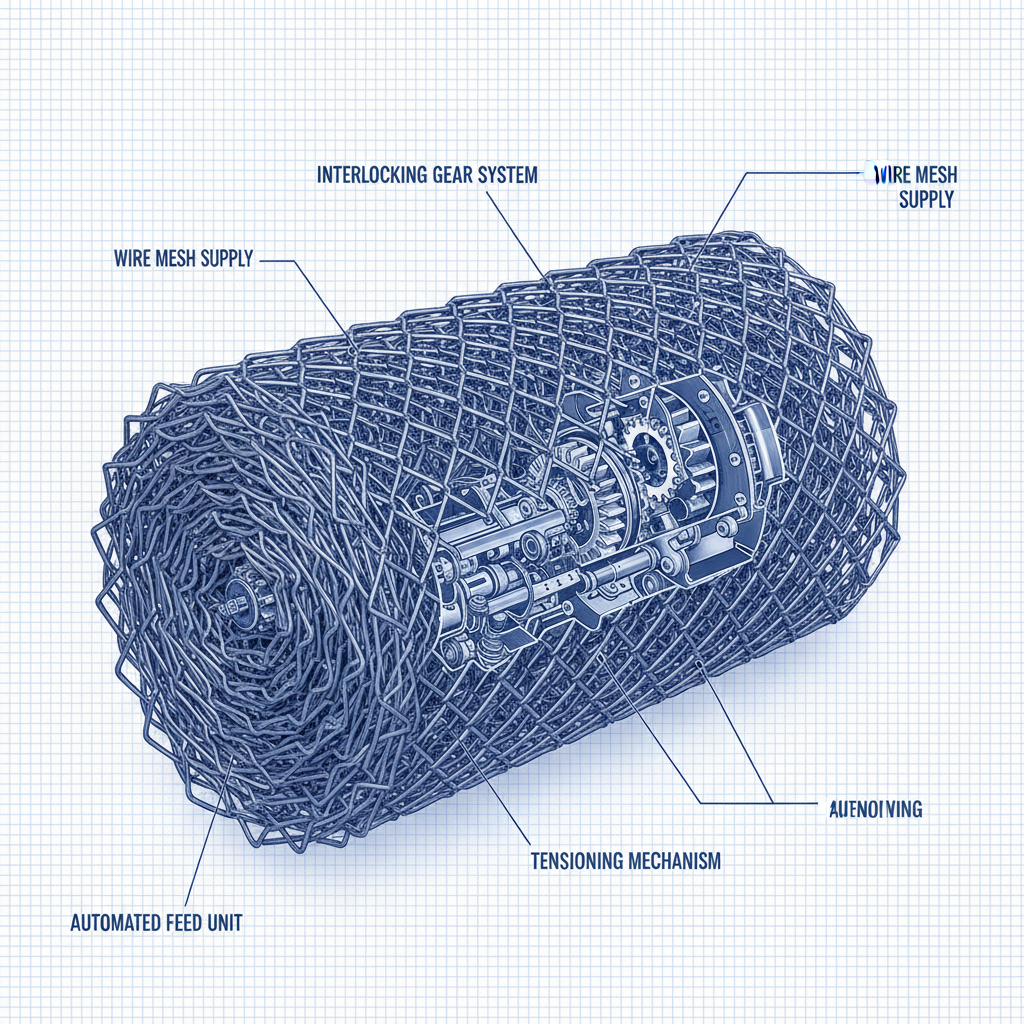
At its core, chain link fence bulk represents the wholesale supply of galvanized or PVC-coated woven wire fencing. The 'bulk' aspect is crucial, catering to large-scale projects where significant lengths of fencing are required, offering substantial cost savings compared to purchasing smaller quantities. This is often favored by construction companies, municipalities, and agricultural operations.
The fundamental principle behind its widespread adoption is its balance of cost-effectiveness, durability, and relative ease of installation. Understanding the different grades and coatings available within chain link fence bulk is key to selecting the right material for a specific environment and application, maximizing its lifespan and minimizing maintenance requirements.
Global Market Dynamics of chain link fence bulk
The global chain link fence bulk market is substantial and continuously evolving, influenced by economic growth, infrastructure development, and evolving security needs. Asia-Pacific currently represents the largest market share, driven by rapid urbanization and industrialization in countries like China and India. North America and Europe also represent significant markets, with consistent demand from construction, agriculture, and government sectors.
Market trends indicate a growing demand for higher-quality coatings, such as powder coating, which offer superior corrosion resistance and aesthetic appeal. Furthermore, increasing awareness of environmental sustainability is driving demand for more eco-friendly manufacturing processes and recycled materials within the chain link fence bulk industry.
Recent ISO standards and certifications are impacting market dynamics, ensuring consistent quality and performance standards. Fluctuations in raw material prices, particularly steel and zinc, directly influence the cost of chain link fence bulk, making effective supply chain management critical for both manufacturers and buyers.
Defining chain link fence bulk: Applications and Standards
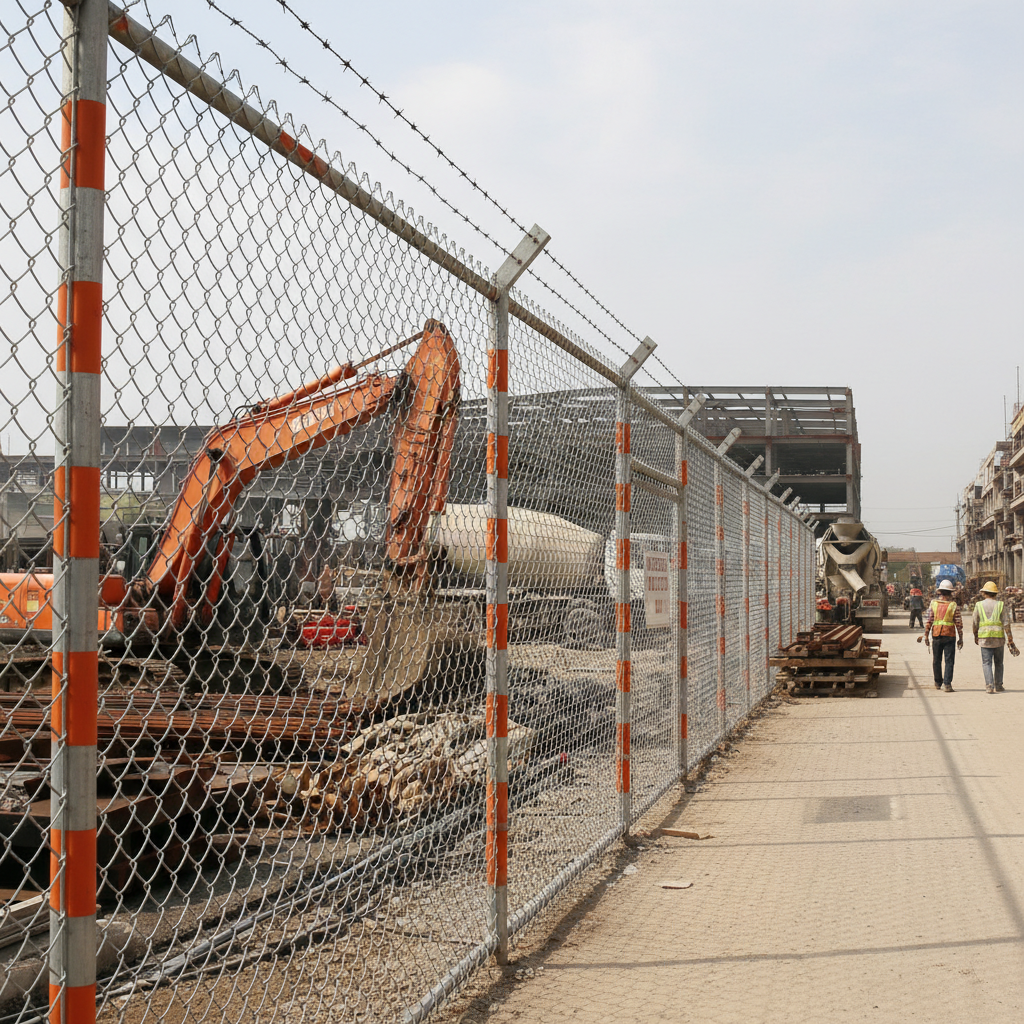
Chain link fence bulk refers to the large-quantity sale of woven wire fabric typically made from galvanized steel or coated with polymers like PVC or polyethylene. This distinguishes it from retail sales and caters to projects requiring substantial lengths of fencing. Common applications include perimeter security, agricultural fencing, sports field enclosures, and industrial site barriers.
Several industry standards govern the manufacture and quality of chain link fence bulk. ASTM A392 is a key standard for galvanized steel chain link fabric, outlining requirements for coating thickness and durability. Federal Specification A-A-59549 outlines specifications for chain link fabric used in government projects. Adherence to these standards ensures the fence meets required performance criteria and provides long-lasting protection.
Understanding these standards is paramount when sourcing chain link fence bulk, as they influence the overall lifespan, security, and cost-effectiveness of the fencing solution. Specifying compliance with relevant ASTM or Federal specifications is essential for ensuring a quality product.
Key Attributes of chain link fence bulk: Performance Metrics
Several key attributes define the performance of chain link fence bulk. Galvanization is crucial for corrosion resistance, with heavier coatings offering greater protection. Coating type (PVC, polyethylene, etc.) impacts aesthetics, UV resistance, and overall durability. Mesh size determines the level of security, with smaller mesh providing greater containment.
Tensile strength and wire gauge contribute to the fence's ability to withstand stress and impact. Properly manufactured chain link fencing should exhibit consistent weave and minimal distortion, ensuring structural integrity over time.
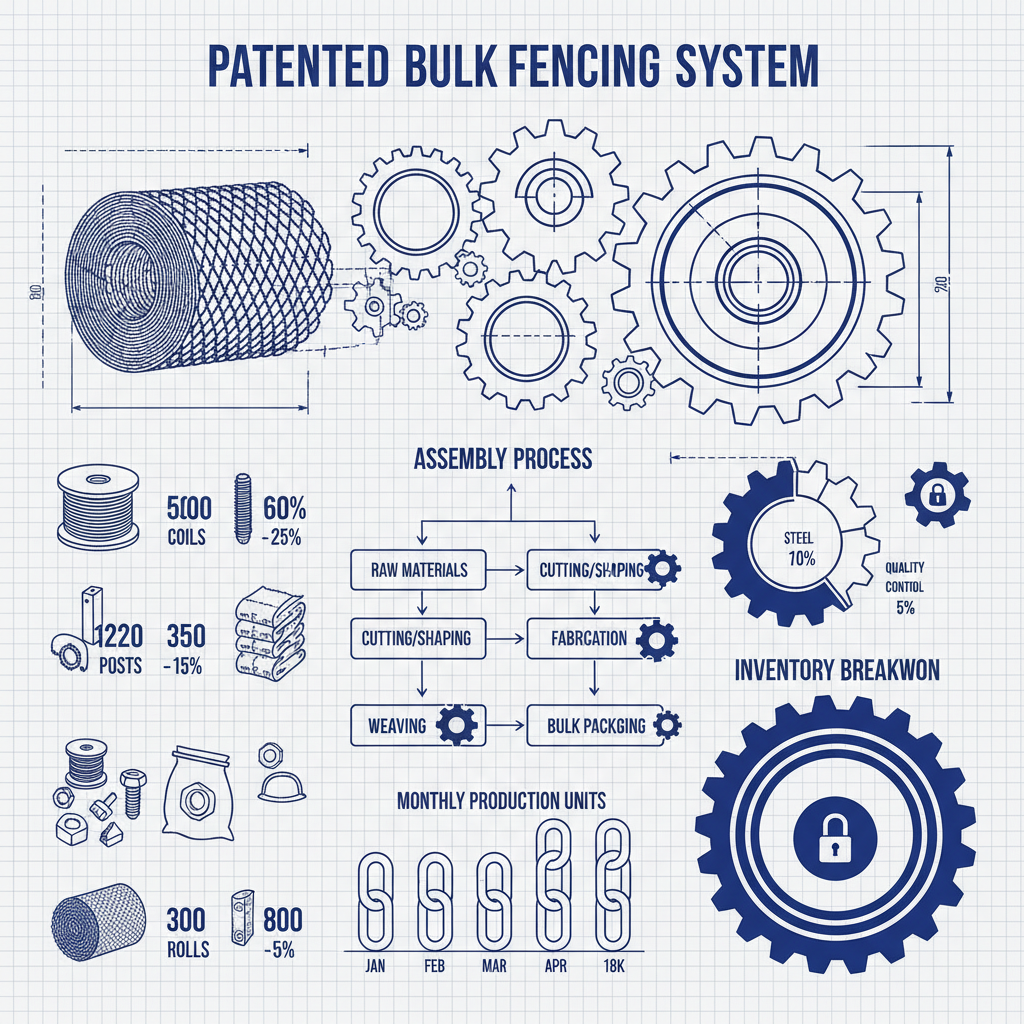
Performance Metrics for Chain Link Fence Bulk
Real-World Applications of chain link fence bulk
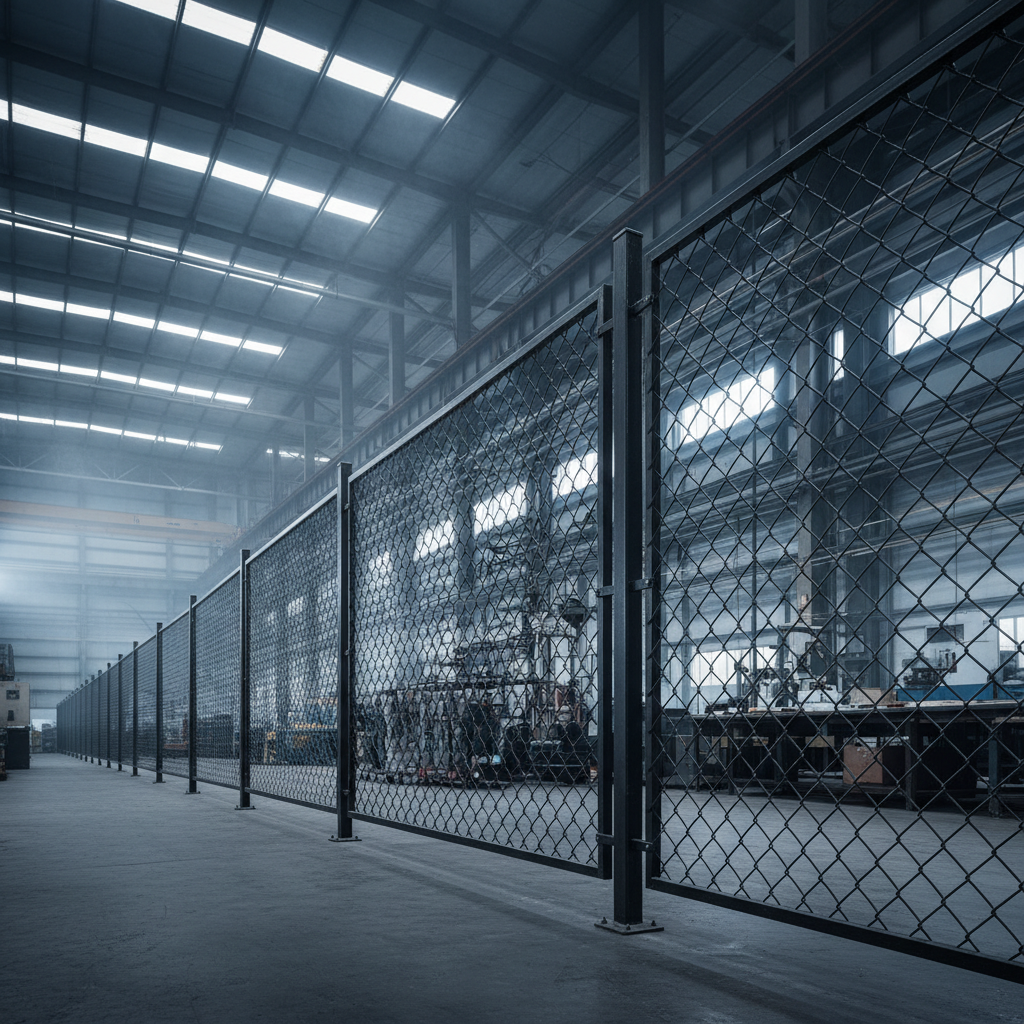
The versatility of chain link fence bulk lends itself to a broad spectrum of applications. In agriculture, it’s utilized for livestock containment and crop protection, safeguarding investments and optimizing resource management. Industrial facilities rely on it for perimeter security, safeguarding assets and preventing unauthorized access.
Municipalities utilize chain link fence bulk for securing public parks, playgrounds, and recreational areas. Sports facilities, including baseball fields, tennis courts, and soccer pitches, employ chain link fencing for player and spectator safety, as well as field boundary demarcation.
Long-Term Value and Sustainability of chain link fence bulk
Chain link fence bulk represents a cost-effective long-term investment due to its durability and minimal maintenance requirements. While initial costs may vary depending on material grade and coating, the longevity of a properly installed and maintained chain link fence surpasses many alternative fencing options. This reduces the need for frequent replacements, lowering life-cycle costs.
Increasingly, sustainability concerns are influencing the chain link fence industry. The use of recycled steel in manufacturing, coupled with the potential for repurposing or recycling fence materials at the end of their lifespan, contributes to a more circular economy and reduces environmental impact. Choosing durable, long-lasting chain link fencing minimizes waste and conserves resources.
Future Trends and Innovations in chain link fence bulk
Innovations in coating technologies are driving the development of more durable and aesthetically pleasing chain link fencing solutions. Powder coating, offering superior corrosion resistance and a wider range of color options, is gaining prominence. Research is also underway to develop more environmentally friendly coating materials.
Smart fencing systems, incorporating features like intrusion detection and remote monitoring, are emerging as a future trend. These systems leverage sensor technology and IoT connectivity to enhance security and provide real-time alerts. Furthermore, the integration of automation in manufacturing processes is streamlining production and reducing costs.
Summary of Key Considerations for Chain Link Fence Bulk Selection
| Material Composition |
Coating Type |
Application Suitability |
Long-Term Cost |
| Galvanized Steel |
Standard Galvanization |
General Perimeter Security |
$3.50/linear foot |
| Galvanized Steel |
PVC Coated |
Residential & Agricultural |
$4.25/linear foot |
| High-Tensile Steel |
Powder Coated |
High-Security Applications |
$5.50/linear foot |
| Galvanized Steel |
Vinyl Coated |
Parks and Recreation |
$4.00/linear foot |
| Recycled Steel |
Standard Galvanization |
Eco-Conscious Projects |
$3.25/linear foot |
| Aluminum Alloy |
Powder Coated |
Corrosion-Prone Environments |
$6.00/linear foot |
FAQS
The lifespan of a chain link fence bulk purchase depends heavily on the coating and environmental conditions. Standard galvanized steel can last 15-20 years with minimal maintenance. PVC or powder-coated options can extend this to 25-30 years or more, especially in less corrosive environments. Regular inspection and minor repairs, such as tightening tension bands, contribute significantly to longevity. Proper installation is also crucial to maximizing lifespan.
For high-security applications, a heavier gauge wire is recommended. Typically, 9-gauge or even 6-gauge wire offers significantly greater resistance to cutting and damage compared to lighter gauges like 11 or 12 gauge. Combining heavier gauge wire with a smaller mesh size further enhances security. Selecting a robust framework, including larger diameter posts and heavier tension bands, is also essential.
PVC coating adds to the cost of chain link fence bulk due to the material and the coating process itself. However, the added cost is often justified by the increased lifespan and improved aesthetic appeal. PVC coating provides superior corrosion resistance, protecting the underlying steel from rust and extending the fence’s functional life. It also offers a wider range of color options.
Chain link fence bulk is typically secured to posts using tension bands, brace bands, and tension wire. Tension bands wrap around the posts and clamp onto the chain link fabric, providing initial tension. Brace bands are used to secure corner and end posts, while tension wire runs horizontally along the top and bottom of the fence to maintain tautness. Properly spaced and tightened hardware is crucial for a secure installation.
Increasingly, there are environmental considerations. Look for manufacturers using recycled steel in their products. The longevity of chain link fencing also reduces waste compared to materials with shorter lifespans. Additionally, inquire about the environmental impact of the coating processes used, seeking out options with lower VOC emissions and responsible disposal practices.
Accurate measurement is key. Determine the total perimeter of the area to be fenced. Add extra footage (typically 5-10%) to account for posts, gates, and potential adjustments. Factor in the height of the fence required. Remember to also calculate the quantity of posts, gates, and accessories needed based on your layout and desired security level. Consulting with a fencing professional can help ensure accurate calculations.
Conclusion
Chain link fence bulk remains a cornerstone of security and containment across diverse industries. Its cost-effectiveness, durability, and versatility continue to make it a preferred choice for large-scale projects. Understanding the key factors influencing performance – material composition, coating type, and proper installation – is crucial for maximizing its lifespan and value.
Looking ahead, innovations in coating technologies and the integration of smart fencing systems promise to further enhance the functionality and sustainability of chain link fencing. By embracing these advancements and prioritizing responsible sourcing, stakeholders can ensure that chain link fence bulk continues to provide reliable and cost-effective solutions for years to come. For all your chain link fence bulk needs, visit our website today!