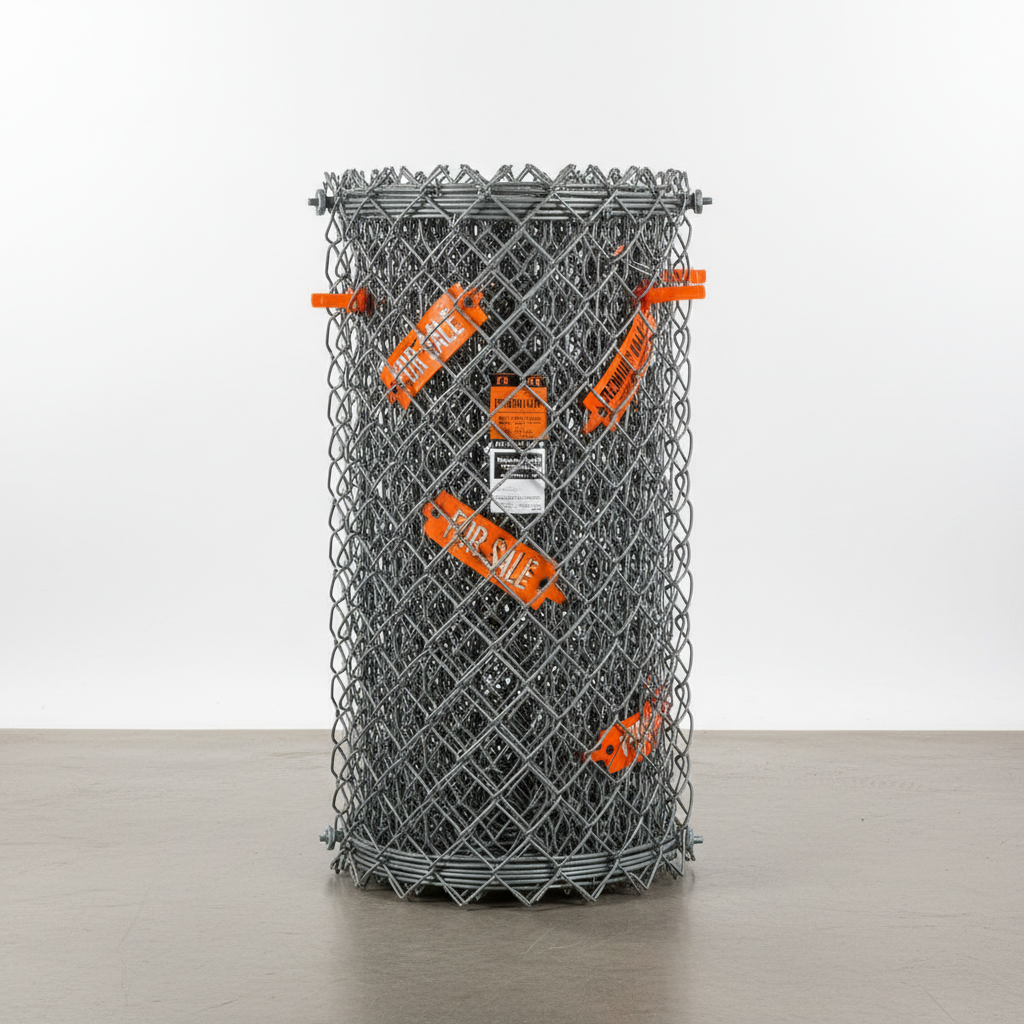

Safety barriers, specifically those utilizing a corrugated profile, are critical components of modern transportation infrastructure designed to minimize vehicle damage and prevent fatalities during road departures. w beam fencing provides a structural solution that absorbs kinetic energy through controlled deformation, redirecting vehicles back toward the roadway rather than allowing them to breach the perimeter. This article examines the technical specifications, procurement criteria, and installation logic required for high-performance safety barriers.
In the context of industrial and civil engineering, the selection of road-side protection depends heavily on the expected impact velocity and the surrounding environment. From coastal regions requiring high corrosion resistance to urban highways needing rapid deployment, the material science behind these barriers determines their lifecycle cost and operational effectiveness. Understanding the interplay between steel gauge, galvanization thickness, and post-spacing is essential for project managers and procurement officers ensuring public safety.
Readers will gain a comprehensive understanding of how to evaluate supplier capabilities, the difference between hot-dip and electro-galvanized coatings, and the practical steps for maintaining these systems. By analyzing the structural requirements and common implementation errors, this guide provides a professional framework for selecting barriers that meet international safety standards while optimizing long-term investment value.
Engineering Principles of Highway Guardrails
The primary function of a corrugated steel barrier is to act as a flexible shield. Unlike rigid concrete walls, the "W" shaped profile creates a geometric strength that allows the rail to bend without immediately snapping, effectively absorbing a portion of the impact energy. This mechanical behavior is governed by the elasticity of the steel and the anchoring strength of the support posts. When a vehicle strikes the barrier, the rail is designed to deflect, creating a tension force that guides the vehicle along the rail's axis, thereby reducing the angle of impact and the severity of the crash. To ensure this functionality, the metallurgical properties of the steel must be precise; too brittle, and the rail will fracture; too soft, and it will fail to redirect the vehicle. Furthermore, the integration of w beam fencing into broader security perimeters often requires a hybrid approach, combining heavy-duty impact rails with secondary mesh or chain-link barriers to prevent pedestrian intrusion or debris scatter, ensuring a comprehensive safety zone around industrial sites or highway easements.
Technical Selection and Implementation Guide
Successful deployment of safety barriers requires a transition from general specifications to site-specific engineering. The following analysis breaks down the critical dimensions of material science, installation, and maintenance that define the performance of these systems.
Material Composition and Coating
The longevity of a steel barrier is almost entirely dependent on its zinc coating. Hot-dip galvanizing involves immersing the steel in molten zinc, creating a thick, metallurgical bond that protects the core from oxidation. For high-humidity or salt-exposed coastal areas, this is the only viable option. Electro-galvanizing provides a smoother, thinner finish suitable for mild climates but offers significantly less protection against deep scratches or corrosive industrial pollutants. The choice of coating directly impacts the replacement frequency and overall lifecycle value of the installation.
| Coating Method | Protection Level | Ideal Environment | Maintenance Need |
|---|---|---|---|
| Hot-Dip Galvanized | Superior/Thick | Coastal/Industrial | Very Low |
| Electro-Galvanized | Moderate/Thin | Mild/Urban | Low to Moderate |
| Powder Coated | Aesthetic/High | Residential/Urban | Moderate (Touch-ups) |
| Uncoated Steel | None | Temporary/Indoor | High (Frequent Paint) |
| Zinc-Aluminium Alloy | Extreme | High-Corrosion Marine | Minimal |
| Polymer Coated | High/Chemical | Chemical Plants | Low |
Structural Impact Resistance
Impact resistance is determined by the combination of the rail's gauge (thickness) and the post's embedment depth. A thicker rail increases the force required to puncture the barrier, while deeper post anchoring ensures the system does not buckle under the load. Engineers must calculate the expected impact force based on the speed limit of the road to determine if a standard W-beam or a reinforced double-wave profile is necessary. This calculation prevents "pocketing," where a vehicle becomes trapped in a deformed section of the fence.
Installation Precision Requirements
Improper installation can render even the highest quality steel useless. The spacing between posts must be uniform to ensure consistent tension across the rail. If posts are too far apart, the rail may sag or fail to provide sufficient redirecting force. If they are too close, the barrier may behave too rigidly, increasing the risk of vehicle bounce-back into traffic. Using calibrated tension bands and rails is essential to maintain the structural integrity of the connection points during a high-energy event.
Environmental Durability Factors
Beyond corrosion, temperature fluctuations can cause steel to expand and contract, potentially loosening fasteners over time. In regions with extreme freeze-thaw cycles, the soil stability around the posts can change, leading to tilting. This requires the use of reinforced concrete footings or specialized ground anchors to ensure the barrier remains vertical. Regular audits of the vertical alignment are necessary to confirm that the system will perform as designed during an impact.
Maintenance and Inspection Cycles
A safety barrier is only effective if it is intact. After any impact event, the affected section must be replaced immediately, as the deformed steel loses its energy-absorption capacity. Routine inspections should focus on "zinc creep" (rust spots), loosened bolts, and soil erosion at the base of the posts. A quarterly inspection cycle is recommended for high-traffic areas to ensure that the protective zinc layer remains intact and that no structural fatigue has occurred.
Customization for Terrain Variance
Standardized rail lengths often fail in complex terrains. Customization allows for the integration of transition sections and end-terminals that are designed to "catch" a vehicle smoothly rather than acting as a spear. For curved roads, the rail must be precision-bent to maintain the same distance from the road edge. Anping County Shangyong Wire Mesh Products Co., Ltd. leverages an experienced R&D team to provide these customized solutions, ensuring that products meet the safety standards of diverse international markets including Germany and the USA.
Compliance and Safety Standards
Global procurement must adhere to specific regional standards, such as AASHTO in the United States or EN 1317 in Europe. These standards define the "Containment Level" (e.g., N2, H1) which indicates the weight and speed of the vehicle the barrier can successfully redirect. Buyers should request certification documents from suppliers to verify that the steel grade and galvanization thickness meet these legal requirements, as non-compliant barriers can lead to severe liability issues for contractors.
FAQ
What is the primary difference between hot-dip and electro-galvanizing for safety barriers?
Hot-dip galvanizing involves dipping the steel in molten zinc, creating a thick, durable layer that is far more resistant to corrosion and abrasion. Electro-galvanizing uses an electrochemical process to apply a thinner layer. While electro-galvanizing is more cost-effective and provides a smoother finish, it is only suitable for mild environments. For highway and industrial safety barriers, hot-dip is the industry standard due to its superior longevity and weather resistance.
How often should highway safety barriers be inspected?
Routine inspections should be conducted at least quarterly in high-traffic or corrosive environments. The focus should be on identifying any signs of rust, checking the tightness of bolts and tension bands, and ensuring that posts have not shifted due to soil erosion. However, any section of the barrier that has been impacted by a vehicle must be inspected and replaced immediately, as the structural integrity of the steel is compromised after deformation.
Can these barriers be customized for specific industrial needs?
Yes, customization is common for industrial applications. This includes adjusting the rail gauge for higher impact loads, applying specific powder coatings for chemical resistance, or integrating the barrier with chain-link mesh for security. Professional manufacturers can design transition pieces and specialized end-terminals to fit unique site layouts, ensuring the barrier remains effective across varying terrain and operational requirements.
What are the most common installation mistakes to avoid?
The most critical errors include inconsistent post spacing and insufficient post embedment depth. Inconsistent spacing causes uneven tension, which can lead to premature failure during a crash. Insufficient depth allows the post to pull out of the ground, failing to redirect the vehicle. Additionally, failing to use the correct tension bands or over-tightening bolts can create stress points that lead to structural cracking during thermal expansion.
How do I evaluate the quality of a safety barrier supplier?
A qualified supplier should provide international certifications proving compliance with standards like AASHTO or EN 1317. You should evaluate their R&D capabilities and their ability to control the galvanization process. Check their export history to developed markets (such as Germany or the USA), as this indicates their products meet stringent safety and quality audits. Finally, ensure they offer comprehensive technical support from customized design to after-sales maintenance.
Do corrugated steel barriers require regular painting?
If the barrier is hot-dip galvanized, painting is generally unnecessary as the zinc layer provides inherent corrosion protection for decades. In fact, painting over galvanization can sometimes trap moisture if the paint film is breached. However, for aesthetic reasons in urban areas, powder coating is used. In those cases, only localized touch-ups are required where the coating has been scratched or damaged by impacts.
References and further reading
- International Standard EN 1317: Road restraint systems - Performance tests
- AASHTO M180: Standard Specification for Steel Guardrail Sections
- Zinc Coating Standards for Structural Steel - ASTM A123
Related Articles